How to Transplant Lessing's arnica?
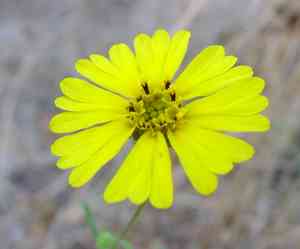
For Lessing's arnica, the ideal period for relocation is from the beginning of early to the conclusion of late spring, facilitating robust development. Select a bright spot with adequately draining earth for peak performance. Exercise caution to reduce root disruption.
Necessary Preparations Before Moving Lessing's Arnica?
Optimal Period for Relocating Lessing's Arnica?
The best time for moving lessing's arnica is from early to late spring, as this timeframe promotes strong root development and minimizes relocation stress. By transplanting during this period, lessing's arnica can establish itself prior to the intense summer heat, leading to more robust and vigorous growth throughout the season.
Recommended Spacing Between Lessing's Arnica Plants?
Aim to position your lessing's arnica plants approximately 12-18 inches apart (30-45 cm). This provides ample room for healthy development without overcrowding.
Ideal Soil Blend for Lessing's Arnica Relocation?
Prepare well-draining soil for lessing's arnica, preferably a light, sandy loam. Enhance it with a balanced base fertilizer before transplanting, aiding your plant in settling and quickly accessing vital nutrients.
Where to Replant Your Lessing's Arnica?
Select a location for lessing's arnica that receives full sun to partial shade. Target an area with at least 6 hours of direct sunlight daily to ensure optimal growth.
Equipment Required Before Transplanting Lessing's Arnica?
Gardening Gloves
To safeguard your hands while handling soil and the plant.
Hand Trowel
For excavating the plant and creating holes at the new site.
Shovel or Spade
To dig a wide trench around the plant if removing it from the ground.
Watering Can or Hose
To hydrate the plant before and after its relocation.
Pruning Shears
To trim any dead or damaged foliage and roots.
Wheelbarrow
Useful for transporting the plant if necessary.
Mulch
To assist in retaining moisture around the plant post-transplant.
How to Extract Lessing's Arnica from the Ground?
How to Extract Lessing's Arnica from the Ground?
From Ground: First, thoroughly water the lessing's arnica plant to moisten the soil. Then, using a shovel or spade, dig a wide trench around the plant, ensuring the root ball remains intact. Carefully work the spade beneath the root ball to lift the plant from its original spot.From Pot: Water the lessing's arnica plant to loosen the soil. Gently compress the sides of the pot to free the plant, then tilt the pot to allow the plant to slide out, supporting the root ball with your hand to keep it whole.From Seedling Tray: Water the seedlings well before removal. Use a small trowel or your fingers to carefully lift each seedling from the tray, taking care to keep the root ball and surrounding soil intact.
Detailed Steps for Moving Lessing's Arnica
Site Preparation
Select a new location for your lessing's arnica plant with suitable conditions. Clear the area of weeds and debris.
Hole Excavation
Dig a hole in the prepared site that is twice as wide and the same depth as the root ball of the lessing's arnica plant.
Plant Positioning
Place the lessing's arnica plant into the hole, ensuring the top of the root ball is level with the surrounding soil. Adjust the depth if needed.
Backfilling
Gently refill the hole with soil, pressing down lightly to eliminate air pockets. Be careful not to compact the soil too firmly.
Watering
Thoroughly water the relocated lessing's arnica plant immediately after planting to help settle the soil around the roots.
Mulching
Apply a layer of mulch around the base of the lessing's arnica plant to aid in moisture retention and weed suppression.
Post-Transplant Care for Lessing's Arnica?
Watering
Keep the soil around the lessing's arnica consistently moist, but not waterlogged, for the initial weeks after transplanting to help establish strong roots.
Monitoring
Regularly inspect the plant for indications of stress or disease. Remove any dead or damaged foliage to encourage new growth.
Support
If the lessing's arnica plant is tall or leggy, consider providing stakes or supports to help it remain upright as it establishes itself.
Resolving Common Issues with Lessing's Arnica Relocation.
When is the best time to move lessing's arnica?
The ideal period to relocate lessing's arnica is from early spring to late spring.
What spacing is needed between each moved lessing's arnica?
Each lessing's arnica should be spaced 12-18 inches (30-45 cm) apart for optimal growth.
How should I prepare the soil before moving lessing's arnica?
Enrich the soil with compost and ensure good drainage for healthy lessing's arnica growth.
What if the moved lessing's arnica shows signs of wilting?
Ensure adequate watering and prevent transplant shock by keeping the soil consistently moist.
Is shading necessary for newly moved lessing's arnica?
Provide light shade initially to help lessing's arnica acclimatize and reduce transplant stress.
How deep should I plant lessing's arnica during relocation?
Transplant lessing's arnica at the same depth they were originally growing to avoid stress.
How often should I water lessing's arnica after moving?
Water lessing's arnica thoroughly immediately after transplanting and then regularly to keep the soil moist.
What are signs of successful lessing's arnica relocation?
Healthy new growth and firm, perky leaves indicate successful lessing's arnica transplantation.
How can I prevent root damage when lifting lessing's arnica for relocation?
Carefully dig around and under lessing's arnica, preserving as much of the root ball as possible.
Can I fertilize lessing's arnica immediately after moving?
Wait a few weeks before applying fertilizer to avoid burning the newly transplanted lessing's arnica.



