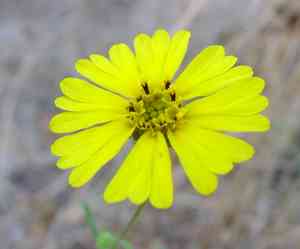
Lessing's arnica (Arnica lessingii)
Also known as: Narrowleaf Arnica, Lessing's Arnica
*Arnica lessingii*, commonly known as nodding arnica, belongs to the sunflower family. It is native to regions on both sides of the Bering Strait, including Alaska, Yukon, British Columbia, Northwest Territories, and Russia's Kamchatka Peninsula.
In This Article
Attributes of Lessing's arnica
Lifespan
Perennial
Plant Type
Herb
Plant Height
0 mm to 30 cm
Spread
Not applicable
Leaf Color
Green
Flower Size
2 to 3 cm
Flower Color
Yellow
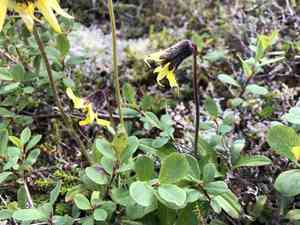
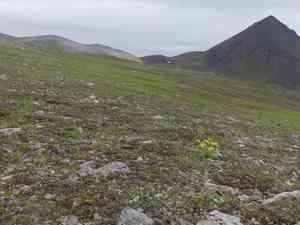
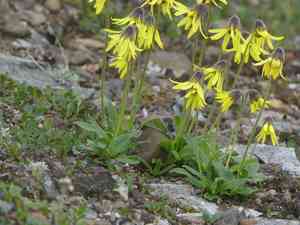
Images of Lessing's arnica
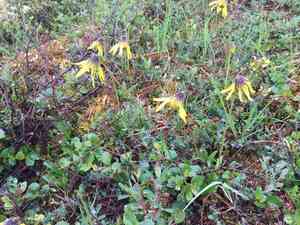
Quickly Identify Lessing's arnica
1
Arnica lessingii can be identified by its narrow, lance-shaped leaves and bright yellow, daisy-like flowers. The plant usually grows between 20 to 60 cm tall. It has a distinctive hairy stem and leaves, and the flowers have a central disc surrounded by yellow rays.
Scientific Classification of Lessing's arnica
Phylum
Vascular plants
Class
Dicotyledons
Order
Asterales
Family
Daisy
Genus
Mountain tobaccos
Species
Lessing's arnica
Planting and Growing of Lessing's arnica
Care Difficulty
Moderate
Watering Schedule
Every 2 days
Sunlight Requirements
Partial sun
Sunshine Duration
6-10 hours
Ideal Temperature
50-70℉
Soil Type
Potting Mix, Peat Mix
Soil pH
6.5-7.5
Fertilizer Type
Balanced
Pruning Season
Spring, Summer
Pruning Area
Branches, Leaves
Pruning Frequency
2 times a year
Repotting Season
Spring
Pot Type
Plastic, Ceramic
 How to Water Lessing's arnica?
When watering Arnica lessingii, make sure you saturate the soil enough to reach the root zone without leaving excess water that could cause root rot. This typically involves about 500 ml per session, ensuring the soil remains moist but not soggy.
What are the symptoms of an underwatered Lessing's arnica?
›
What should I do if my Lessing's arnica is not getting enough water?
›
What are the symptoms of an overwatered Lessing's arnica?
›
How to save an overwatered Lessing's arnica?
›
 What Are the Sunlight Requirements for Lessing's arnica?
Partial sun ensures Arnica lessingii benefits from a balanced light exposure. This condition boosts its growth and ensures its leaves remain healthy and vibrant. Full or deep shade may inhibit its flowering potential and vigor.
Ideal Location
›
Solutions for Ideal Light
›
Benefits of Ideal Lighting
›
 What Is the Ideal Temperature Range for Lessing's arnica?
The optimal growth temperature for Arnica lessingii is typically between 50°F to 70°F. This range supports healthy metabolic processes and ensures adequate flowering and vegetative growth. Temperatures within this range allow the plant to efficiently photosynthesize and maintain structural integrity.
 What Soil is Best for Lessing's arnica?
Arnica lessingii thrives in soil with excellent drainage capabilities, ensuring excess water doesn't accumulate around the roots, which could lead to root rot and other fungal diseases. Optimal drainage allows roots to receive the right amount of moisture and oxygen. The plant demands soil that is rich in organic matter, which provides essential nutrients for growth. High organic content not only enhances fertility but also improves soil structure, promoting root expansion and healthy plant development. While it's crucial to keep the soil moist, it should never be waterlogged. A balance in moisture levels mimics its natural alpine habitat, supporting vigorous growth and ensuring the plant remains stress-free with consistent hydration.
 How to Fertilize Lessing's arnica?
When fertilizing Arnica lessingii, use a balanced 10-10-10 or 20-20-20 fertilizer at half strength. For liquid fertilizers, mix approximately 1 tablespoon per gallon of water. Be sure to evenly distribute around the base of the plant.
 How to Prune Lessing's arnica?
Begin by identifying any dead or damaged stems and leaves and carefully trim them using sharp, sterilized scissors or pruning shears. Focus on maintaining a balanced shape for aesthetic purposes, ensuring the plant's energy is redirected towards new, healthy growth. After the blooming phase, gently remove spent flowers to redirect the plant's energy towards root and leaf development. This post-bloom trimming also prevents seed formation, which can saps the plant's vigor if left unchecked.
More About Pruning Techniques→
 How to Propagate Lessing's arnica plant?
1
Collect seeds from a mature Arnica lessingii plant. Clean and dry the seeds properly to prevent mold formation during storage. Stratify the seeds by chilling them in a refrigerator for 4-6 weeks before sowing.
2
Fill the seed tray with a mixture of peat and perlite. Place the stratified seeds on the surface and lightly cover them with a thin layer of substrate. Keep the soil consistently moist and place the tray in a warm, bright location.
3
During early or late spring, carefully dig up a mature Arnica lessingii plant. Use a sharp spade to divide the plant into smaller sections, ensuring each section has a portion of roots. Replant the divisions immediately.
 How to Repot Lessing's arnica plant?
1
Arnica lessingii shows its need for repotting when you notice roots emerging from the drainage holes or when growth appears stunted. Repotting is ideally done in spring or summer, aligning with the plant's active growth period, ensuring a smoother adjustment.
2
Choose a pot that is only slightly larger than the current one, with ample drainage holes. A pot that is too large can lead to overwatering issues, while a properly sized pot ensures adequate root growth and water management.
3
Opt for a well-draining, nutrient-rich potting mix. This type of soil provides the necessary aeration while retaining sufficient moisture, enhancing Arnica lessingii's growth and mimicking its natural mountainous habitat.
Toxicity
Ingestion, Skin contact
WARNING
The judgment on toxicity and danger is for reference only. We DO NOT GUARANTEE any accuracy of such judgment. Therefore, you SHALL NOT rely on such judgment. It is IMPORTANT TO SEEK PROFESSIONAL ADVICE in advance when necessary.



