How to Prune Lessing's arnica?
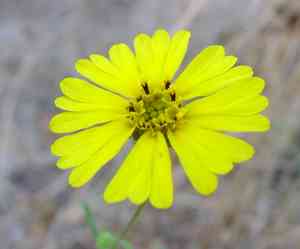
Arnica lessingii is a perennial plant recognized for its vibrant yellow, daisy-like blossoms. Perform trimming in early spring to eliminate any damage from winter and deceased stalks prior to the emergence of new shoots. Gentle shaping during the summer months can foster denser development and an increased number of flowers. Refrain from extensive pruning, as arnica lessingii thrives with a more organic shape, and excessive removal of material can cause distress to the specimen. Appropriate pruning contributes to more robust foliage and extended blooming durations.
Advantages of Trimming Lessing's Arnica
Advantages of Trimming Lessing's Arnica
Trimming lessing's arnica encourages robust development by eliminating dead or crowded stalks, thereby enhancing air circulation and light penetration. It helps the plant maintain its form, prevents illnesses, and fosters a healthier, more appealing look.
Optimal Period for Trimming Lessing's Arnica
Optimal Period for Trimming Lessing's Arnica
Trimming or cutting lessing's arnica during spring and summer is considered ideal as it aligns with the plant's active growth phase. Pruning in early spring helps remove any dead or damaged material accumulated over winter, stimulating vigorous new growth. Summer pruning is beneficial for shaping the plant and managing its size, without causing undue stress to lessing's arnica. During these seasons, the plant's energy is directed towards growth and blooming, making it more resilient to pruning and better able to recover quickly, ensuring sustained health and optimal flowering.
Necessary Tools for Trimming Lessing's Arnica
Hand Pruners (Bypass Pruners)
Perfect for precise cuts on small stems and branches. Ensures clean cuts that promote quicker healing and lessen disease risk.
Pruning Shears
Useful for deadheading spent flowers to encourage new blooms. Helps maintain the plantâs shape and overall health.
Long-Handled Pruners
Helpful for reaching stems that are not easily accessible. Provides better leverage and reduces strain on the gardener.
Gloves
Essential for protection against thorns and sharp edges. Ensures safety and comfort during the pruning process.
How to Trim Lessing's Arnica
Identification
Examine lessing's arnica and clearly pinpoint areas with diseased leaves, withered leaves, and diseased stems that require attention.
ToolsPreparation
Sanitize your pruning tools to prevent the spread of any disease. Use sharp, clean pruning shears or scissors.
RemoveDiseasedLeaves
Carefully prune away any diseased leaves. Make clean cuts close to the main stem to avoid leaving stubs which could harbor pathogens.
RemoveWitheredLeaves
Trim off withered leaves by following the same process as with diseased leaves, ensuring you remove any dead or yellowing foliage which may prevent lessing's arnica from thriving.
RemoveDiseasedStems
Identify and cut out any diseased stems, making precise cuts into healthy tissue to ensure the removal of all affected parts. Dispose of the trimmed material away from the garden to avoid contamination.
Common Trimming Errors with Lessing's Arnica
Over-pruning
Removing too much foliage can stress lessing's arnica, leading to poor growth and fewer flowers. Always prune conservatively.
Improper tools
Using dull or dirty tools can damage the plant tissue, leading to potential infections. Ensure tools are sharp and clean.
Incorrect cuts
Making jagged or uneven cuts can harm the plant. Always aim for clean, precise cuts to promote quick healing.
Pruning at the wrong time of day
Pruning during the hottest part of the day can cause additional stress to lessing's arnica. It's best to prune during the cooler morning or evening hours.
Ignoring dead or damaged parts
Failing to remove dead, damaged, or diseased parts of lessing's arnica can hinder its overall health and growth.
General Trimming Advice for Lessing's Arnica
Sanitation
Always disinfect pruning tools before and after use to prevent the spread of disease.
Gentle pruning
Prune lightly to remove dead or damaged stems without overly reducing the plant's size. This balances aesthetic appeal and plant health.
Angle of cuts
Make cuts at a 45-degree angle away from the bud to facilitate water run-off and reduce disease risk.
Height management
Maintain a consistent height by regularly trimming the tallest stems. This encourages a fuller shape and prevents legginess.
Regular inspection
Frequent checks for signs of disease or damage can help you make timely cuts, promoting ongoing health and vigor for lessing's arnica.



