How to Transplant Smallhead arnica?
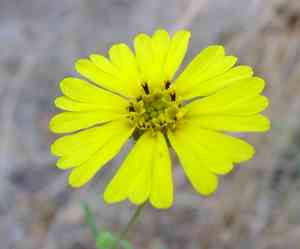
Smallhead arnica flourishes when relocated between early and late spring or during late autumn, owing to the cooler climate. Optimal sites feature abundant to moderate sunlight and soil that drains effectively. Select these intervals to guarantee peak development and successful rooting.
What Preparations are Needed Before Transplanting Smallhead Arnica?
What is the Ideal Time for Transplanting Smallhead Arnica?
Smallhead arnica, a Perennial plant, is best moved from early to late spring or during late autumn. These periods provide optimal soil moisture and moderate temperatures, aiding root establishment. Relocating at these times improves survival rates and speeds up growth. Ensuring soil is properly prepared and roots are handled gently also contributes to successful transplantation.
How Much Space Should You Leave Between Smallhead Arnica Plants?
When relocating smallhead arnica, ensure each plant is spaced 18-24 inches (45-60 cm) apart. This spacing helps guarantee plants have ample room to grow and access to sufficient nutrients, light, and airflow, reducing disease risk.
What is the Best Soil Mix for Smallhead Arnica Transplanting?
For smallhead arnica, prepare well-drained soil rich in organic matter. Incorporate compost or aged manure to boost fertility. You can also add a balanced slow-release fertilizer for consistent nutrients. Ensure pH levels are slightly acidic to neutral (6.0-7.0).
Where Should You Relocate Your Smallhead Arnica?
Transplant smallhead arnica to a spot that receives full sunlight, at least 6 hours of direct sun daily. This plant thrives in bright conditions, which promote beautiful blooms. If full sun isn't feasible, partial shade can work, but flowering might be affected.
What Equipments Should You Prepare Before Transplantation Smallhead Arnica?
Gardening Gloves
To safeguard your hands while handling soil and plants.
Hand Trowel
For excavating small holes and moving the plant.
Shovel or Spade
To dig a larger trench around the plant.
Watering Can or Hose
For hydrating the plant before and after relocation.
Garden Fork
To help loosen the soil and facilitate root extraction.
Pruners
For trimming any damaged roots or foliage.
How Do You Remove Smallhead Arnica from the Soil?
How Do You Remove Smallhead Arnica from the Soil?
From Ground: First, irrigate the smallhead arnica plant to moisten the soil. Then, dig a wide trench around the plant using a shovel or spade, ensuring the plant's root ball remains intact. Carefully work the spade beneath the root ball to lift the plant from its original spot.From Pot: Gently water the smallhead arnica plant to make the soil pliable. Turn the pot on its side and gently tap or squeeze it to loosen the soil and roots. With one hand supporting the plant's base, carefully slide it out, taking care not to harm the root system.From Seedling Tray: Water the seedlings to lessen transplant shock. Use a hand trowel or your fingers to carefully lift each seedling from the tray, preserving as much of the root system as possible. Try to keep some soil attached to the roots to ease transition.
Step-by-Step Guide for Transplanting Smallhead Arnica
Prepare the New Site
Ensure the new planting location is ready before extracting your smallhead arnica plant from its original spot.
Dig the Hole
Excavate a hole at the new site that is twice as wide and just as deep as the smallhead arnica plant's root ball.
Add Soil Amendments
If necessary, blend some compost or organic matter into the soil at the bottom of the hole to support healthy growth.
Place the Plant
Gently position the smallhead arnica plant into the hole, ensuring it sits at the same depth as it was in its initial location.
Backfill and Firm Soil
Refill the hole with soil, gently tamping it down to eliminate air pockets.
Water Thoroughly
After transplanting, thoroughly water the smallhead arnica plant to settle the soil and reduce transplant shock.
How Do You Care For Smallhead Arnica After Transplanting?
Watering
Keep the soil around the smallhead arnica consistently moist, but not waterlogged, for the initial few weeks post-transplant to aid strong root establishment.
Mulching
Apply a 2-3 inch layer of mulch around the base of the smallhead arnica plant to conserve moisture and suppress weeds.
Monitoring
Regularly inspect the smallhead arnica plant for signs of stress, such as wilting or yellowing leaves, and adjust care as needed.
Pruning
Trim any damaged leaves or stems to encourage new growth and minimize plant stress.
Troubleshooting Common Issues with Smallhead Arnica Transplantation.
When is the best time to transplant smallhead arnica?
Relocate smallhead arnica between early to late spring or late fall for optimal growth.
How should I space smallhead arnica plants in my garden?
Space smallhead arnica plants approximately 18-24 inches (46-61 cm) apart for healthy development.
What kind of soil is best for transplanting smallhead arnica?
Smallhead arnica thrives in well-draining, sandy or loamy soil with a slightly acidic to neutral pH.
How do I prepare smallhead arnica for transplanting?
Water smallhead arnica thoroughly the day before transplanting to minimize root shock and enhance moisture.
How deep should I plant smallhead arnica during transplantation?
Plant smallhead arnica at its original growing depth, ensuring the root ball is fully covered.
What should I do if smallhead arnica shows signs of transplant shock?
Keep the soil consistently moist (not saturated) and provide shade to help smallhead arnica recover.
How can I protect smallhead arnica from pests after transplanting?
Use organic insecticidal soap and maintain garden cleanliness to deter common pests.
Should I fertilize smallhead arnica immediately after transplanting?
Avoid immediate fertilization; wait a few weeks for root establishment before applying a balanced fertilizer.
How much sunlight does smallhead arnica need after being transplanted?
Smallhead arnica prefers full sun to partial shade, requiring at least 6 hours of daily sunlight.
How often should I water smallhead arnica once transplanted?
Water smallhead arnica regularly, keeping the soil evenly moist but not soggy, especially during the first growing season.



