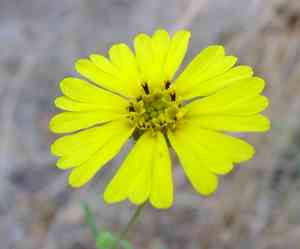
Smallhead arnica (Arnica gracilis)
Also known as: Slender Leopardbane
Arnica gracilis, also known as slender arnica, is a perennial herb that can grow up to 30 cm in height. It features yellow flower heads that include both ray and disc florets.
In This Article
Attributes of Smallhead arnica
Lifespan
Perennial
Plant Type
Herb
Plant Height
30-60 cm
Spread
Not applicable for herbaceous plants
Leaf Color
Green
Flower Size
2-4 cm
Flower Color
Yellow
Images of Smallhead arnica
Quickly Identify Smallhead arnica
1
Arnica gracilis can be identified by its slender, erect stems, narrow elliptical leaves, and bright yellow, daisy-like flowers with a distinct disk florets in the center. The leaves are usually arranged in a basal rosette.
Scientific Classification of Smallhead arnica
Phylum
Vascular plants
Class
Dicotyledons
Order
Asterales
Family
Daisy
Genus
Mountain tobaccos
Species
Smallhead arnica
Planting and Growing of Smallhead arnica
Care Difficulty
Easy
Watering Schedule
Every 2 days
Sunlight Requirements
Full sun
Sunshine Duration
4-6 hours
Ideal Temperature
60-75℉
Soil Type
Potting Mix, Peat Mix
Soil pH
6.5-7.5
Fertilizer Type
Balanced
Pruning Season
Spring, Summer
Pruning Area
Branches, Leaves
Pruning Frequency
2 times a year
Repotting Season
Spring
Pot Type
Plastic, Ceramic
 How to Water Smallhead arnica?
Arnica gracilis prefers well-drained soil with a moderate amount of water. The ideal approach is to water until the soil is evenly moist, ensuring that water doesn't pool at the surface, which might indicate an oversupply. The plant should never sit in waterlogged soil, but neither should it dry out completely.
What are the symptoms of an underwatered Smallhead arnica?
›
What should I do if my Smallhead arnica is not getting enough water?
›
What are the symptoms of an overwatered Smallhead arnica?
›
How to save an overwatered Smallhead arnica?
›
 What Are the Sunlight Requirements for Smallhead arnica?
As a sun-loving plant, Arnica gracilis benefits from a mix of full to partial sun. Proper lighting promotes vibrant flower production and maintains overall plant health, improving its resilience against environmental stresses.
How much sunlight does Arnica gracilis need?
›
What if my location does not provide enough sunlight?
›
What benefits does proper lighting offer Arnica gracilis?
›
 What Is the Ideal Temperature Range for Smallhead arnica?
The ideal temperature range for Arnica gracilis is between 60 to 75°F. This range ensures optimal enzymatic and metabolic activity, vital for healthy growth. If temperatures remain within this range, the plant can efficiently photosynthesize and utilize nutrients, fostering robust development and flowering.
 What Soil is Best for Smallhead arnica?
Arnica gracilis thrives in well-drained soil to prevent waterlogging, which can cause root rot. Adequate drainage ensures that the plant's roots receive necessary oxygen, fostering healthier growth. This plant benefits from nutrient-rich soil that provides essential minerals for vigorous growth. The availability of nutrients supports the plant's overall vitality and ability to produce vibrant blooms. While ensuring drainage, the soil should also retain some moisture to prevent drying out. This balance helps maintain consistent hydration, promoting sustained growth and resilience in varying weather.
 How to Fertilize Smallhead arnica?
Arnica gracilis requires a balanced approach to fertilization. Typically, dilute the liquid fertilizer to half the recommended strength on the package to prevent nutrient burn. For solid fertilizers, opt for one with a balanced NPK ratio like 10-10-10, using as per the instructions provided. Ensuring the correct amount safeguards against poor health or overwintering issues.
 How to Prune Smallhead arnica?
Begin by examining the plant for any dead or diseased stems. Carefully trim these away while cutting just above a healthy set of leaves or nodes to encourage new growth. Gently shape Arnica gracilis by trimming overgrown stems to promote a bushier structure. Keeping the plant well-shaped enhances aesthetic appeal and improves air circulation, reducing pest problems. Prune in early spring when the plant begins active growth and reshape after blooming in summer. Use angled cuts rather than flat ones to prevent water accumulation on cut surfaces.
 How to Propagate Smallhead arnica plant?
1
Begin by filling seed trays with a well-draining potting mix. Sow the seeds of Arnica gracilis on the surface and lightly cover them with soil. Keep the soil moist and place the trays in a warm, sunny location.
2
Select healthy, non-flowering stems and use pruning shears to cut just below a node. Remove the lower leaves and dip the cut end in rooting hormone to stimulate root growth before planting in a propagation medium.
3
When dividing Arnica gracilis, carefully dig up the plant and use a sharp knife to separate the root system into smaller sections. Ensure that each section has enough roots and foliage to support new growth, then replant immediately.
 How to Repot Smallhead arnica plant?
1
Arnica gracilis typically signals the need for repotting when roots begin to show through drainage holes or growth significantly slows despite optimal care. The ideal time is during active growing seasons, spring or autumn, which encourages robust recovery.
2
Select a pot that is one size larger than the current one, ensuring it has good drainage. This not only accommodates growth but also prevents waterlogging, which Arnica gracilis is particularly sensitive to. A breathable material like terra cotta can enhance moisture regulation.
3
Opt for a soil that offers excellent drainage, such as a sandy-loam mix. This type ensures adequate aeration, allowing the roots of Arnica gracilis to expand healthily and preventing root rot from excess moisture.
Toxicity
Ingestion, Skin Contact
WARNING
The judgment on toxicity and danger is for reference only. We DO NOT GUARANTEE any accuracy of such judgment. Therefore, you SHALL NOT rely on such judgment. It is IMPORTANT TO SEEK PROFESSIONAL ADVICE in advance when necessary.
Learn More About Smallhead arnica Diseases
Anthracnose
Bacterial Leaf Spot
Bacterial Soft Rot
Bacterial Wilt
Black Spot
Chemical Injury
Crown Gall
Cyst Nematode
Damping-off
Downy Mildew
Drought Stress
Fusarium Wilt
Gray Mold
Leaf Curl
Leaf Spot
Mosaic
Nutrient Deficiency
Nutrient Toxicity
Powdery Mildew
Root Rot
Root-knot Nematode
Rusts
Sooty Mold
Spider Mites
Temperature Stress
Thrips Damage
White Mold



