How to Transplant Mottled dutchman's pipe?
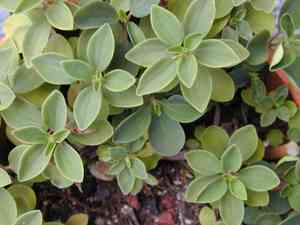
The ideal period for relocating mottled dutchman's pipe is from the warmth of late spring into the initial brightness of summer, providing moderate temperatures for root development. Select a shaded location with soil that drains effectively. Careful handling is crucial to avoid root trauma.
Essential Preparations Before Relocating Mottled Dutchman's Pipe
Optimal Timing for Transplanting Mottled Dutchman's Pipe
The prime window for relocating mottled dutchman's pipe spans from late spring through early summer. This period, occurring after the last frost and prior to intense summer heat, offers a mild climate conducive to root establishment without the stress of extreme temperatures. Moving mottled dutchman's pipe during this timeframe allows roots ample opportunity to spread and absorb nutrients before the demanding summer growth phase. A helpful hint: transplant mottled dutchman's pipe in this season to provide it with the ideal start in its new spot!
Recommended Spacing Between Mottled Dutchman's Pipe Plants
Planning to enhance your garden with the distinctive charm of mottled dutchman's pipe? Begin by marking positions 24-36 inches (61-91 cm) apart. This spacing will afford your mottled dutchman's pipe the necessary room to thrive without becoming overcrowded. Consider it individual space for each plant to flourish!
Best Soil Mixture for Mottled Dutchman's Pipe Transplanting
For your beautiful mottled dutchman's pipe to flourish, combine well-draining soil with a bit of compost as a foundational fertilizer. The compost acts as a nutrient boost, ensuring your mottled dutchman's pipe receives a robust start in its new home. Aim for a pH-neutral soil for the healthiest plants!
Ideal Location for Relocating Your Mottled Dutchman's Pipe
Find a site where your mottled dutchman's pipe can enjoy partial to full shade. Excessive sun exposure can cause stress, so a spot with filtered sunlight or some afternoon shade would be perfect. Your mottled dutchman's pipe will reward you with its striking blooms!
Equipment Needed Before Transplanting Mottled Dutchman's Pipe
Gardening Gloves
To safeguard your hands while handling soil and plants.
Shovel or Spade
For excavating the plant and its root ball from the ground or a container.
Pruning Shears
To trim any damaged roots or excess foliage before the transplant.
Watering Can or Hose
To hydrate the mottled dutchman's pipe both before and after relocation to minimize shock.
Wheelbarrow or Garden Cart
To move the mottled dutchman's pipe and any required soil or compost.
Measuring Tape
To assist in spacing out the transplant locations, ensuring adequate room between plants.
Garden Trowel or Soil Scoop
For managing small quantities of soil and aiding in hole excavation.
Mulch
To help maintain moisture around the plant following transplantation.
Stake or Plant Support
To keep the mottled dutchman's pipe upright and supported, especially if it's a climbing variety.
How to Extract Mottled Dutchman's Pipe from the Soil
How to Extract Mottled Dutchman's Pipe from the Soil
From Pot: Gently free the mottled dutchman's pipe from its container by tilting it sideways and tapping the base. Slide the root ball out while supporting the plant stem with your other hand.From Seedling Tray: Carefully lift the mottled dutchman's pipe seedling using a garden trowel or hand fork, taking care to keep the root system and soil clump intact.From Ground: Water the mottled dutchman's pipe thoroughly before attempting to move it. Dig around the plant, several inches away from the stem to avoid damaging the root system. Gently pry the plant up from the ground with your shovel or spade.
Step-by-Step Guide for Transplanting Mottled Dutchman's Pipe
Preparation
Water the mottled dutchman's pipe generously the day before transplanting to ensure soil adheres to the roots and reduces plant stress.
Digging
Use your shovel or spade to excavate a hole in the new spot that is twice as wide and as deep as the root ball.
Root Pruning
Trim any broken or overly long roots with your pruning shears to stimulate new growth.
Placing mottled dutchman's pipe
Position the mottled dutchman's pipe into the hole, ensuring the top of the root ball is level with the surrounding ground. Adjust the depth if needed.
Backfilling
Partially fill the hole with soil, verifying that the mottled dutchman's pipe is upright and straight. Fill the rest of the hole, and gently firm the soil around the plant's base.
Watering
Give the mottled dutchman's pipe a thorough watering to settle the soil and eliminate any air pockets. Continue to water daily or as required.
Mulching
Apply a layer of mulch around the base of the mottled dutchman's pipe to help retain moisture and suppress weeds.
Staking
If necessary, install a stake or plant support to help stabilize the mottled dutchman's pipe as it grows.
Post-Transplant Care for Mottled Dutchman's Pipe
Monitor Plant Stress
Observe the mottled dutchman's pipe for indications of transplant shock, such as wilting or leaf drop, and address them promptly.
Regular Watering
Water the mottled dutchman's pipe consistently to maintain a uniformly moist soil environment until the plant is well-established.
Observing Growth
Look for new growth as a sign that the mottled dutchman's pipe is recovering from the transplant process and beginning to flourish.
Support Adjustments
Adjust stakes or supports as the mottled dutchman's pipe grows to facilitate its upward development and prevent damage from wind or heavy rain.
Addressing Common Issues with Mottled Dutchman's Pipe Transplantation
When is the optimal time to transplant mottled dutchman's pipe?
Relocate mottled dutchman's pipe during the pleasant period between late spring and early summer to ensure ideal root establishment.
What spacing should I use for mottled dutchman's pipe when transplanting?
Allow mottled dutchman's pipe ample room to thrive by spacing them 24-36 inches (61-91 cm) apart.
Why are my mottled dutchman's pipe's leaves wilting after transplanting?
Leaf wilt post-transplant may signal shock. Ensure sufficient water, initially avoid direct sun, and confirm root health before transplanting.
How do I prepare soil for transplanting mottled dutchman's pipe?
Enhance the soil with compost, ensure it drains well, and maintain a pH suitable for mottled dutchman's pipe.
How deep should I plant mottled dutchman's pipe's root ball?
Plant mottled dutchman's pipe's root ball level with or slightly above the surrounding soil to prevent water accumulation.
What's the ideal sunlight exposure for mottled dutchman's pipe post-transplant?
Provide mottled dutchman's pipe with partial shade to help them gradually acclimate to their new surroundings.
How often should I water mottled dutchman's pipe after transplanting?
Water mottled dutchman's pipe generously after transplanting and then maintain consistent moisture for healthy growth, but avoid waterlogging.
What signs indicate successful transplant of mottled dutchman's pipe?
Successful transplant is evidenced by new foliage growth and signs of new root development.
Can I use fertilizer on mottled dutchman's pipe right after transplanting?
Wait until mottled dutchman's pipe shows signs of growth before applying a mild, balanced fertilizer to prevent root burn.
Why is my mottled dutchman's pipe not flowering after transplanting?
Flowering might be delayed due to transplant shock. Allow it time to adjust, provide proper care, and be patient.



