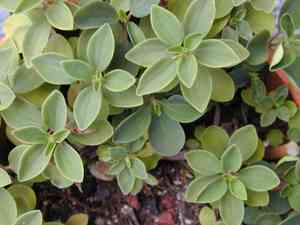
Mottled dutchman's pipe (Aristolochia labiata)
Also known as: Brazilian Dutchman's Pipe, Giant Pelican Flower
The mottled Dutchman's pipe thrives in warm, shaded areas with high humidity and fertile, well-drained soil. Its unique pipe-shaped flowers, which resemble rotting flesh, are designed to attract pollinators. The plant's heart-shaped leaves and specific environmental preferences make it well-suited for woodland habitats and stream banks.
In This Article
Attributes of Mottled dutchman's pipe
Lifespan
Perennial
Plant Type
Herb, Vine
Plant Height
30 cm to 91 cm
Spread
N/A
Leaf Color
Dark green
Flower Size
15 cm
Flower Color
Red Purple Brown
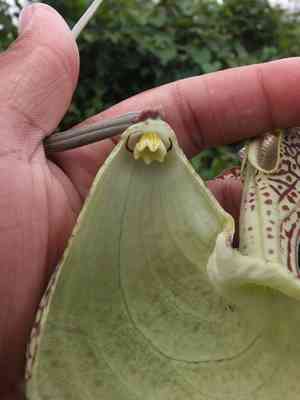
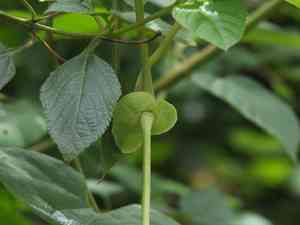
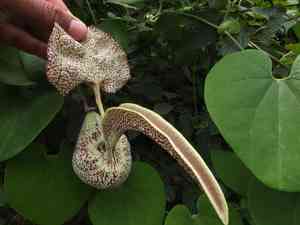
Images of Mottled dutchman's pipe
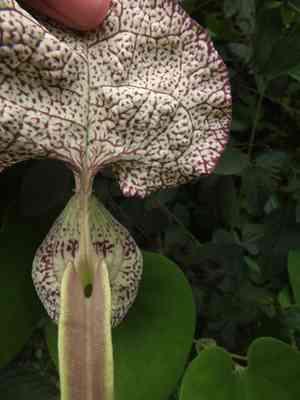
Quickly Identify Mottled dutchman's pipe
1
Aristolochia labiata can be identified by its large, heart-shaped leaves and distinctive, intricate flowers that are maroon to purplish-brown with white veins. The flowers have a unique, tubular shape that broadens into a curvaceous lip, often adorned with vivid patterns.
Scientific Classification of Mottled dutchman's pipe
Phylum
Vascular plants
Class
Dicotyledons
Order
Piperales
Family
Birthwort
Genus
Aristolochia
Species
Mottled dutchman's pipe
Planting and Growing of Mottled dutchman's pipe
Care Difficulty
Easy
Watering Schedule
Every 3 days
Sunlight Requirements
Partial sun
Sunshine Duration
4-8 hours
Ideal Temperature
65-77℉
Soil Type
Potting Mix, Peat Mix
Soil pH
6.5-7.5
Fertilizer Type
Balanced
Pruning Season
Spring, Summer
Pruning Area
Branches, Leaves
Pruning Frequency
2 times a year
Repotting Season
Spring
Pot Type
Plastic, Ceramic
 How to Water Mottled dutchman's pipe?
Aristolochia labiata requires a moderate watering regime where the soil is allowed to dry slightly between waterings. Aim for about 500ml each time, ensuring the top inch of soil feels dry before rehydrating.
What are the symptoms of an underwatered Mottled dutchman's pipe?
›
What should I do if my Mottled dutchman's pipe is not getting enough water?
›
What are the symptoms of an overwatered Mottled dutchman's pipe?
›
How to save an overwatered Mottled dutchman's pipe?
›
 What Are the Sunlight Requirements for Mottled dutchman's pipe?
Partial sun exposure is beneficial, providing access to gentle morning sun while avoiding the intensity of midday rays. This ensures sustained growth and vibrant flowering while preventing undue stress.
How much light does Aristolochia labiata need?
›
What is the ideal location for providing light?
›
What are the benefits of proper lighting?
›
 What Is the Ideal Temperature Range for Mottled dutchman's pipe?
The ideal temperature range for Aristolochia labiata is between 65°F and 77°F. This allows the plant to thrive in an environment that mimics its natural habitat. Maintaining this temperature ensures optimal growth and flowering, supporting the plant's overall health.
 What Soil is Best for Mottled dutchman's pipe?
Aristolochia labiata thrives in well-drained soil as it prevents root rot and supports healthy growth. Ensuring the soil is loose and permeable allows excess water to drain away, promoting oxygen flow to the roots. For robust growth, this plant benefits from soil rich in organic matter. Composts and peat can be mixed into the soil to boost nutrients, which will enhance flower production and overall plant vigor. While the plant prefers well-drained conditions, moderate moisture retention is also favorable. This balance ensures the roots remain hydrated without becoming waterlogged, fostering consistent growth.
 How to Fertilize Mottled dutchman's pipe?
Aristolochia labiata needs moderate fertilization; typically you should apply a 10-10-10 balanced fertilizer at a ratio of 1 tablespoon per gallon of water for liquid feeding, providing all essential nutrients without overwhelming the plant.
 How to Prune Mottled dutchman's pipe?
Begin by inspecting Aristolochia labiata to identify dead, diseased, or damaged stems. These should be your primary focus during pruning to promote healthier growth and prevent disease spread throughout the plant. Consider the plant's natural form and decide how much you wish to trim to maintain or enhance its shape. Focus on removing long, leggy stems to encourage a fuller, more compact growth style, while mindful not to spoil its natural elegance. When pruning, consider the plant's airflow. Removing overcrowded branches helps reduce humidity levels around the foliage, which can mitigate the likelihood of fungal diseases and pest infestations, keeping your Aristolochia labiata healthy.
More About Pruning Techniques→
 How to Propagate Mottled dutchman's pipe plant?
1
Soak the seeds of Aristolochia labiata in lukewarm water for 24 hours before planting. This step is crucial as it softens the seed coat and promotes faster and more consistent germination.
2
Choose a healthy stem from a mature plant for cuttings. Ideally, it should be semi-hardwood and free of disease or pest damage. The length should be around 4 to 6 inches, and the cut should be made just below a node.
3
For seeds, plant them in a well-draining seed mix at a shallow depth. For cuttings, insert them into a prepared container filled with a sterile propagation mix. Ensure the soil is moist but not overly wet.
 How to Repot Mottled dutchman's pipe plant?
1
Aristolochia labiata should be repotted when you notice roots protruding from the drainage holes, or if the plant's growth has markedly slowed down despite regular care. These indicators suggest that the plant has outgrown its current pot.
2
Choose a pot that is 1-2 inches larger in diameter than the current one. A pot with proper drainage holes is essential to prevent waterlogging, which can cause root rot. The slightly larger size allows the plant space to grow without overwhelming the roots.
3
Opt for a well-draining loamy soil mix with organic matter to support healthy growth. This soil ensures adequate drainage while retaining the necessary moisture, preventing both root rot and dehydration in Aristolochia labiata.
Toxicity
Ingestion, Skin contact
WARNING
The judgment on toxicity and danger is for reference only. We DO NOT GUARANTEE any accuracy of such judgment. Therefore, you SHALL NOT rely on such judgment. It is IMPORTANT TO SEEK PROFESSIONAL ADVICE in advance when necessary.
Learn More About Mottled dutchman's pipe Diseases
Anthracnose
Bacterial Leaf Spot
Bacterial Wilt
Crown Gall
Damping-off
Downy Mildew
Drought Stress
Fusarium Wilt
Gray Mold
Leaf Curl
Leaf Spot
Mosaic
Nutrient Deficiency
Nutrient Toxicity
Powdery Mildew
Root Rot
Root-knot Nematode
Rusts
Sooty Mold
Spider Mites
Temperature Stress
Thrips Damage
White Mold



