How to Prune Mottled dutchman's pipe?
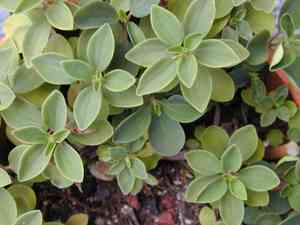
This uniquely patterned climbing plant benefits most from trimming in spring, summer, or autumn to preserve its form and vitality. For mottled dutchman's pipe, strategically eliminate deceased or excessively long branches to improve air circulation and light exposure. Timely snipping after blooming ensures a neat look and fosters strong development. Performing these cuts during these periods corresponds with the plant's active development stages, maximizing recuperation and strength. Diligent pruning methods can avert ailments and elevate the aesthetic charm of mottled dutchman's pipe.
What Are the Benefits of Pruning Mottled Dutchman's Pipe?
What Are the Benefits of Pruning Mottled Dutchman's Pipe?
Trimming mottled dutchman's pipe promotes abundant flowering, robust development, and preserves its intended form. Regular cutting back helps focus the plant's energy on producing unique blossoms while shaping it attractively.
What Is the Best Time for Pruning Mottled Dutchman's Pipe?
What Is the Best Time for Pruning Mottled Dutchman's Pipe?
Pruning mottled dutchman's pipe in late winter, just before spring growth begins, is advantageous as it prepares the plant for strong new development and helps maintain its structure. This timing ensures cuts heal quickly with the spring growth surge, minimizing stress and disease risk. Additionally, since the plant is dormant in late winter, its structure is clearer, allowing for more precise cuts. Pruning after flowering lets gardeners enjoy the blooms without negatively impacting the display.
What Tools Do I Need to Prune Mottled Dutchman's Pipe?
Bypass Pruners
Ideal for making clean, precise cuts on mottled dutchman's pipe's smaller stems and branches, aiding in disease prevention and fostering healthy growth.
Pruning Saw
Essential for cutting through thicker stems or branches of mottled dutchman's pipe that are too large for bypass pruners to handle cleanly.
Long-reach Pruners
Useful for mottled dutchman's pipe as its growth habit can lead to vines beyond easy reach. These pruners allow trimming without needing a ladder.
How to Prune Mottled Dutchman's Pipe
Cleaning tools
Before trimming mottled dutchman's pipe, sanitize your pruning tools to prevent disease spread. Use a 1:9 bleach-to-water solution to clean blades, or an alcohol wipe for convenience.
Remove diseased leaves
Carefully check mottled dutchman's pipe for any diseased leaves. These show as discoloration, spots, or decay. Gently snip off diseased leaves at the base of the leaf stem, being careful not to harm the main vine.
Trim withered leaves
Locate withered leaves on mottled dutchman's pipe, which are likely brown and dry. Prune them back to their base, cutting close to the main stem, to encourage healthy growth and improve air circulation.
Prune withered flowers
Find withered flowers on mottled dutchman's pipe and snip them off at the base of the flower stem. This deadheading process helps prevent self-seeding and directs the plant's energy towards new growth and flower production.
General maintenance
After addressing problematic parts, give mottled dutchman's pipe a general health check. If needed, lightly shape the vine for a tidier look, but be careful not to over-prune as it might reduce flowering.
Common Pruning Mistakes with Mottled Dutchman's Pipe
Over-pruning
Removing too much foliage at once can stress mottled dutchman's pipe, leading to poor plant health and reduced flowering. Aim for light, regular pruning instead of drastic cuts.
Improper cuts
Making jagged or torn cuts can expose mottled dutchman's pipe to diseases and pests. Use sharp, clean tools to make smooth cuts that heal quickly.
Pruning without a plan
Randomly cutting branches without understanding mottled dutchman's pipe's growth pattern can result in unbalanced, weak, or misshapen growth. Understand the plant's structure before pruning.
Ignoring dead or diseased growth
Failing to remove dead or diseased branches can lead to further plant decline. Regularly check mottled dutchman's pipe for unhealthy growth to maintain its vigor.
Neglecting tool hygiene
Using dirty or contaminated tools can spread diseases to mottled dutchman's pipe. Clean and disinfect pruning tools before and after use.
Common Pruning Tips for Mottled Dutchman's Pipe
Selective thinning
Thin out crowded areas to improve air circulation and light penetration, which encourages healthy growth and flowering in mottled dutchman's pipe.
Prune for shape
Guide mottled dutchman's pipe's growth by strategically pruning to maintain the desired shape and size, which can enhance its aesthetic appeal.
Encourage new growth
Prune back old wood to promote the development of new shoots, which can invigorate mottled dutchman's pipe and lead to more vigorous flowering.
Safety first
Wear protective gloves and long sleeves when pruning mottled dutchman's pipe since it is known to have toxic properties that can irritate the skin or be harmful if ingested.
After-flowering care
Prune mottled dutchman's pipe after flowering to remove spent blooms and encourage the plant to direct energy into new growth and future blooms.



