How to Transplant Elegant dutchman's pipe?
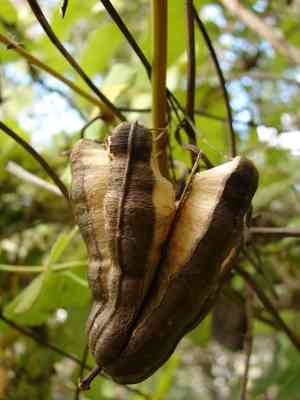
For Aristolochia elegans, the phase of renewal and development renders early spring the prime moment for relocation. Select a location offering dappled sunlight and soil that drains effectively. Careful manipulation aids this resilient specimen's adjustment to its new environment.
Necessary Preparations Before Relocating Elegant Dutchman's Pipe?
Optimal Period for Relocating Elegant Dutchman's Pipe?
The best time to move elegant dutchman's pipe is during the refreshing spring season, as they emerge from dormancy, ensuring strong root development before summer's heat.
Required Spacing Between Elegant Dutchman's Pipe Plants?
I suggest providing each elegant dutchman's pipe with approximately 3-5 feet (90-150cm) of space. This allows ample room for their expansion and promotes healthier plant growth. Marking the area beforehand is a good practice to guide your planting.
Best Soil Blend for Elegant Dutchman's Pipe Relocation?
The perfect soil for elegant dutchman's pipe is well-draining and rich in organic material. To prepare your soil, incorporate a foundational fertilizer such as compost or manure. Ensure it's thoroughly mixed with your existing soil. This will supply vital nutrients and boost your plant's development.
Where to Replant Your Elegant Dutchman's Pipe?
Elegant dutchman's pipe thrives in partial shade to full sun, so select a spot where it receives sufficient sunlight, but not direct exposure all day. Ensure the location maintains a temperature between 60-80 °F (15-27°C) for your plant to flourish.
Equipment Needed Before Transplanting Elegant Dutchman's Pipe?
Garden Trowel
A small hand tool for digging holes for your elegant dutchman's pipe plant.
Gardening Gloves
To safeguard your hands while handling soil and plants.
Watering Can
For irrigating the elegant dutchman's pipe after its relocation.
Compost
To enrich the planting site with essential nutrients.
Mulch
To regulate soil temperature and conserve moisture.
Shovel or Spade
These are useful if you are moving a larger elegant dutchman's pipe from the ground.
Plant Tie
For providing support to the elegant dutchman's pipe once it's planted.
How to Extract Elegant Dutchman's Pipe from the Soil?
How to Extract Elegant Dutchman's Pipe from the Soil?
From Ground: First, water the elegant dutchman's pipe plant to moisten the soil, making removal easier. Then, dig a wide trench around the plant using a shovel or spade, being careful to keep the plant's root ball intact. Gently work the spade beneath the root ball to lift the elegant dutchman's pipe from its original spot.From Pot: Begin by thoroughly watering your potted elegant dutchman's pipe plant; this helps remove the plant with minimal root damage. Then, carefully turn the pot sideways into your hand, supporting the plant's base, and the plant should slide out easily. Be mindful of preserving the root ball structure as you extract the plant.From Seedling Tray: If the elegant dutchman's pipe is in a seedling tray, squeeze the bottom of each cell to push the seedling upward while gently pulling it by the leaves. This method ensures you avoid harming the delicate root system at this stage.
Detailed Guide for Relocating Elegant Dutchman's Pipe
Excavating the Hole
Dig a hole that is twice as wide and equally deep as the root ball of your elegant dutchman's pipe. This provides ample space for roots to spread, leading to a healthier plant.
Hole Preparation
Incorporate some compost into the hole to boost the available nutrients for your elegant dutchman's pipe.
Plant Positioning
Place the elegant dutchman's pipe in the hole. Ensure the top of the root ball (where the roots end) is level with or slightly below the soil surface.
Backfilling the Hole
Refill the hole with the excavated soil. Gently pat down the soil around the base of the elegant dutchman's pipe to eliminate air pockets.
Watering
Water generously after relocating your elegant dutchman's pipe. Use a gentle stream to prevent washing away the soil.
Mulching
Spread a layer of mulch around your elegant dutchman's pipe, but avoid direct contact with the stem to prevent rot.
Securing
For additional support for your elegant dutchman's pipe, you can secure it using a plant tie.
Post-Transplant Care for Elegant Dutchman's Pipe?
Watering
Ensure the soil around the elegant dutchman's pipe remains consistently moist, but not waterlogged, for the initial few weeks after transplanting. This aids in the development of strong roots. Adjust water volume and frequency based on the season and local weather.
Pruning
Prune the elegant dutchman's pipe as needed to encourage healthy growth and prevent it from becoming too dense. However, avoid excessive pruning immediately after transplant.
Pest Control
Regularly inspect your elegant dutchman's pipe for pests and diseases. Early detection allows for prompt treatment, which can save your plant.
Supports
If your elegant dutchman's pipe plant becomes heavy, it may require extra support like a trellis, stake, or cage. Install them carefully to avoid damaging the root system.
Frost Protection
As elegant dutchman's pipe is sensitive to frost, provide adequate protection during colder months, especially in the first season after transplant, while the plant is still adapting to its new environment.
Resolving Common Issues with Elegant Dutchman's Pipe Transplantation.
When is the best time of year to transplant elegant dutchman's pipe?
The optimal period to transplant elegant dutchman's pipe is from early spring through late summer (referred to as S1-S3).
What distance should I maintain between elegant dutchman's pipe plants when transplanting them?
For optimal growth, allow a generous living space between elegant dutchman's pipe plants - approximately 3-5 feet (90-150 cm).
How deep should the hole be when transplanting elegant dutchman's pipe?
The hole should be sufficiently deep and wide to accommodate elegant dutchman's pipe's root system, typically around 12 inches (30 cm).
What type of soil is best for transplanting elegant dutchman's pipe?
Elegant dutchman's pipe prefers well-drained soil rich in organic matter. A pH range of 5.5-7 is ideal for its healthy development.
I transplanted elegant dutchman's pipe and it's wilting. What did I do wrong?
Wilting after transplant could be due to insufficient water. Ensure you're watering elegant dutchman's pipe regularly until its roots are established.
What should I do to prepare elegant dutchman's pipe for transplantation?
A few weeks prior to transplantation, begin hardening off elegant dutchman's pipe - gradually expose it to outdoor conditions to minimize transplant shock.
Should I prune elegant dutchman's pipe before transplanting?
Yes, pruning can help elegant dutchman's pipe conserve energy during transplanting. Trim back about one third of its total volume.
Can I transplant elegant dutchman's pipe when it's blooming?
It's not ideal to transplant elegant dutchman's pipe during its full bloom. Transplanting is a stress factor, and it's best to avoid adding another.
What care should elegant dutchman's pipe receive post-transplant?
After transplant, keep the soil moist but not waterlogged, provide partial shade, and frequently monitor for pest activity or diseases.
Is it necessary to fertilize elegant dutchman's pipe post-transplant?
It's not immediately required. After 4-6 weeks, once elegant dutchman's pipe has begun to establish, provide a slow-release granular fertilizer to support growth.



