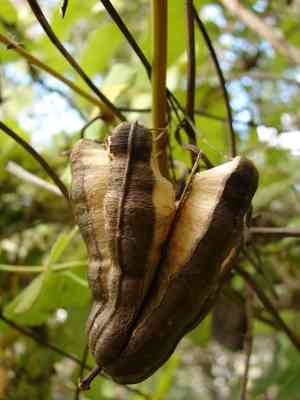
Elegant dutchman's pipe (Aristolochia elegans)
Also known as: Duck vine
The Dutchman's pipe (Aristolochia elegans) is known for its distinctive, pipe-shaped flowers, which have earned it its common name. This invasive vine is problematic in parts of Australia, as it is lethal to the caterpillars of the endangered Richmond birdwing and Cairns birdwing butterflies. Despite its popularity as an ornamental plant, its flowers emit an unpleasant, rotting odor.
In This Article
Attributes of Elegant dutchman's pipe
Lifespan
Perennial
Plant Type
Vine
Plant Height
2.5 m to 6 m
Spread
N/A (vine with no distinct crown)
Leaf Color
Silver Green Gray
Flower Size
8-10 cm (3-4 inches)
Flower Color
Cream Brown
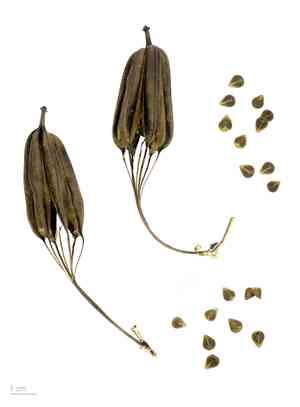
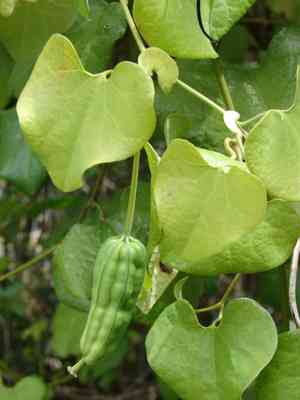
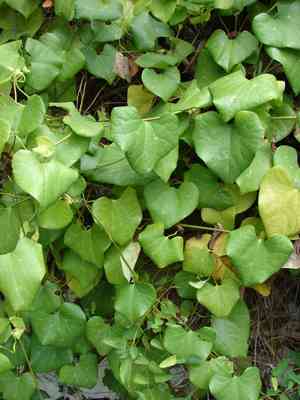
Images of Elegant dutchman's pipe
Quickly Identify Elegant dutchman's pipe
1
Aristolochia elegans can be identified by its kidney or heart-shaped leaves, unusually patterned flowers, and twining growth habit. The flowers are often brownish-purple with a pale yellow or white edge and a distinctive calico-like pattern.
Scientific Classification of Elegant dutchman's pipe
Phylum
Vascular plants
Class
Dicotyledons
Order
Piperales
Family
Birthwort
Genus
Aristolochia
Species
Elegant dutchman's pipe
Planting and Growing of Elegant dutchman's pipe
Care Difficulty
Easy
Watering Schedule
Every 2 days
Sunlight Requirements
Partial sun
Sunshine Duration
6-8 hours
Ideal Temperature
65-80℉
Soil Type
Potting Mix, Peat Mix
Soil pH
6.5-7.5
Fertilizer Type
Balanced
Pruning Season
Spring, Summer
Pruning Area
Branches, Leaves
Pruning Frequency
2 times a year
Repotting Season
Spring
Pot Type
Plastic, Ceramic
 How to Water Elegant dutchman's pipe?
Aristolochia elegans requires a consistent but moderate watering regimen. The soil should be kept consistently moist, but not waterlogged. The 500 ml of water should be enough to thoroughly moisten the soil without causing standing water. A good principle to follow is to ensure that the top inch of soil feels dry to the touch before re-watering.
What are the symptoms of an underwatered Elegant dutchman's pipe?
›
What should I do if my Elegant dutchman's pipe is not getting enough water?
›
What are the symptoms of an overwatered Elegant dutchman's pipe?
›
How to save an overwatered Elegant dutchman's pipe?
›
 What Are the Sunlight Requirements for Elegant dutchman's pipe?
Partial sun to full shade is ideal, ensuring vibrant growth and the prevention of stress-related issues associated with harsh environmental conditions.
More About Sunlight Requirements Techniques→
What amount of sunlight is ideal?
›
How to achieve optimal light?
›
Benefits of receiving ideal light?
›
 What Is the Ideal Temperature Range for Elegant dutchman's pipe?
Aristolochia elegans thrives in a temperature range of 65°F to 80°F. This range provides optimal conditions for growth and flowering, ensuring the plant remains healthy and vibrant. Temperatures within this range promote photosynthesis and nutrient absorption, leading to robust development.
 What Soil is Best for Elegant dutchman's pipe?
Aristolochia elegans thrives in well-draining soil that prevents waterlogging and root rot. This condition promotes healthy growth and vibrant foliage by ensuring that roots receive adequate oxygen and nutrients. The plant prefers soil that retains moderate moisture, which helps sustain it during dry periods. This feature is crucial as it prevents the plant from wilting and supports continuous growth. A nutrient-rich soil provides essential minerals and organic compounds necessary for robust growth. Enriched soil supports the plant’s flowering and overall vitality, enhancing its ornamental appeal.
 How to Fertilize Elegant dutchman's pipe?
For Aristolochia elegans, using a balanced 10-10-10 liquid fertilizer, apply at a strength of half the recommended dose on the label. Too much fertilizer can harm the plant's roots. One tablespoon diluted in a gallon of water usually suffices.
 How to Prune Elegant dutchman's pipe?
Use sharp, clean pruning shears to make precise cuts and avoid damaging the plant. Sterilize your tools with rubbing alcohol to prevent the spread of disease. Look for dead, damaged, or diseased branches and remove them promptly. Prune back any branches that are overgrown or disrupting the desired shape of the plant. Cut at a 45-degree angle, just above a bud or pair of leaves. This encourages new growth and helps the plant to recover quickly from pruning.
More About Pruning Techniques→
 How to Propagate Elegant dutchman's pipe plant?
1
Choose a healthy stem from the plant that is at least 6 inches long. Make your cut just below a node, where leaf and bud originate, using a sterilized pruning shear to avoid any infections.
2
Remove the leaves from the lower half of the cutting to reduce water loss and exposure to pathogens. Dip the cut end into rooting hormone before planting it into the soil or potting mix.
3
Insert the cutting into a pot filled with well-draining potting mix. Ensure that at least one node is buried in the soil, as this will be the point from which roots will develop.
 How to Repot Elegant dutchman's pipe plant?
1
Repot Aristolochia elegans when you notice roots coming out of the drainage holes or when growth has significantly slowed. These signals indicate that the plant has outgrown its current pot and requires a larger space to continue thriving. Repotting during the growing season ensures that the plant can recover quickly.
2
Select a pot that is one size larger than the current one. It should have good drainage to prevent waterlogged roots, which could lead to root rot. A pot made of breathable materials like terracotta can also help in maintaining optimal moisture levels and improving plant health.
3
Opt for a well-draining soil that retains some moisture but doesn't stay soggy. A mix of potting soil, perlite, and a bit of sand can provide the perfect balance. This type of soil supports healthy root growth and prevents standing water, which can suffocate the roots.
Toxicity
Ingestion, Skin Contact
WARNING
The judgment on toxicity and danger is for reference only. We DO NOT GUARANTEE any accuracy of such judgment. Therefore, you SHALL NOT rely on such judgment. It is IMPORTANT TO SEEK PROFESSIONAL ADVICE in advance when necessary.
Learn More About Elegant dutchman's pipe Diseases
Anthracnose
Bacterial Leaf Spot
Bacterial Soft Rot
Bacterial Wilt
Black Spot
Chemical Injury
Crown Gall
Damping-off
Downy Mildew
Drought Stress
Fusarium Wilt
Gray Mold
Leaf Curl
Leaf Spot
Mosaic
Nutrient Deficiency
Nutrient Toxicity
Powdery Mildew
Root Rot
Root-knot Nematode
Rusts
Sooty Mold
Spider Mites
Temperature Stress
Thrips Damage
White Mold



