How to Prune Elegant dutchman's pipe?
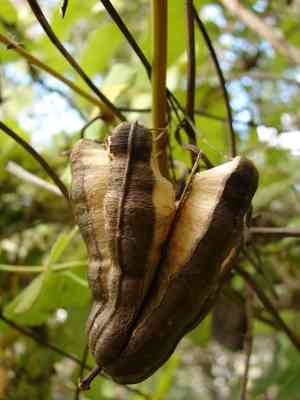
Distinguished by its intricate, tubular blossoms, the graceful dutchman's pipe flourishes with judicious trimming to sculpt and manage its development. Perform cuts following the blooming period or in late winter and early spring, prior to the emergence of fresh shoots. Concentrate on excising deceased, ailing, or excessively dense branches to enhance air movement and the plant's well-being. Restrict pruning to preserve its inherent shape, and employ keen, disinfected implements to avert the spread of pathogens. Trimming encourages robust development and upholds the visual appeal of this decorative climber.
Advantages of Trimming Elegant Dutchman's Pipe
Advantages of Trimming Elegant Dutchman's Pipe
Trimming elegant dutchman's pipe promotes robust development and helps maintain its desired shape. It ensures healthy growth and can prevent the plant from becoming unruly or spreading excessively in the garden.
Optimal Time for Pruning Elegant Dutchman's Pipe
Optimal Time for Pruning Elegant Dutchman's Pipe
Pruning elegant dutchman's pipe in late winter and early spring is beneficial as it coincides with the end of dormancy and just before new growth begins. This timing allows elegant dutchman's pipe to recover quickly from pruning and allocate energy to developing new shoots and leaves. Additionally, removing any dead or damaged growth before the plant enters its active growing phase can prevent the spread of diseases and pests, thus ensuring the plant's health. Pruning at this stage also aids in shaping the plant and supports a strong structure for the upcoming growing season. Choosing late winter and early spring avoids cutting back elegant dutchman's pipe during its flowering period, which typically occurs in summer. This ensures the maximum elegant dutchman's pipe of blooms, as buds form on new growth.
Tools Required for Pruning Elegant Dutchman's Pipe
Hand Pruners (Secateurs)
Perfect for making clean cuts on elegant dutchman's pipe's smaller stems and twigs, which encourages healthy growth and helps prevent disease.
Loppers
Useful for reaching into the elegant dutchman's pipe's dense foliage and cutting thicker stems that hand pruners cannot manage.
Pruning Saw
Essential for removing any of elegant dutchman's pipe's larger branches that are too substantial for loppers to cut through.
Gardening Gloves
Protects the gardener's hands from elegant dutchman's pipe's rough texture and any potential skin irritants.
How to Prune Elegant Dutchman's Pipe
Identify
Examine elegant dutchman's pipe for indications of disease or wilting in its leaves, ensuring a clear distinction between healthy and unhealthy foliage.
Sanitize
Before beginning, disinfect your pruning tools with alcohol or a bleach solution to prevent the transfer of any pathogens to healthy parts of elegant dutchman's pipe.
Remove diseased leaves
Using clean, sharp shears, carefully remove any diseased leaves from elegant dutchman's pipe by cutting the leaf stem where it connects to the main stem or branch, taking care not to harm healthy tissue.
Remove withered leaves
Cut away withered leaves from elegant dutchman's pipe, following the same method as for diseased leaves, to promote healthy growth and improve air circulation within the plant.
Clean up
After pruning, gather and dispose of all removed foliage away from elegant dutchman's pipe to reduce the risk of disease spread. Clean your tools again before storing them.
Common Pruning Errors with Elegant Dutchman's Pipe
Excessive pruning
Removing too much foliage at once can stress elegant dutchman's pipe, causing shock and potentially harming plant health.
Incorrect cut placement
Cutting too close to or too far from the main stem or branch nodes can hinder elegant dutchman's pipe's natural healing process and may invite disease or pest issues.
Using dull tools
Pruning with dull or unclean equipment can result in jagged cuts that make elegant dutchman's pipe susceptible to infections.
Pruning healthy growth
Mistakenly pruning new or healthy growth instead of targeting only the dead or diseased areas can limit flowering potential and reduce vigor.
Ignoring plant structure
Failing to consider elegant dutchman's pipe's natural growing patterns can result in an unattractive shape and diminished health.
General Pruning Advice for Elegant Dutchman's Pipe
Clean sharp tools
Use clean, sharp pruning shears to make precise cuts, minimizing damage and aiding quicker recovery.
Target dead material
Focus on removing dead, damaged, or diseased parts of elegant dutchman's pipe, which helps direct growth energy to healthier areas.
Prune for air flow
Thin out dense areas to improve air circulation within elegant dutchman's pipe's foliage, reducing the risk of fungal diseases.
Cut at angle
Make angled cuts away from the main stem and above leaf nodes to encourage directed new growth and prevent water accumulation.
Disinfect tools
Clean and disinfect pruning tools before and after use to prevent the spread of pathogens to or from elegant dutchman's pipe.
Gradual pruning
Prune elegant dutchman's pipe incrementally over time, especially when shaping the plant, to avoid shock and to monitor its response to the pruning.



