How to Transplant Arrow-feather three-awn?
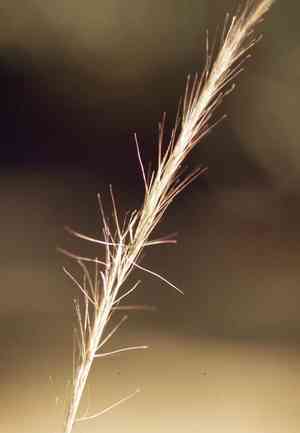
Arrow-feather three-awn flourishes when relocated between the end of spring and the middle of summer, benefiting from ideal growing circumstances. Select a bright spot with soil that drains effectively for superior outcomes. Make certain the new environment replicates its native setting to lessen the impact of transplant stress.
What Preparations are Needed Before Transplanting Arrow-feather Three-awn?
What is the Ideal Time for Transplanting Arrow-feather Three-awn?
The most suitable period for relocating arrow-feather three-awn, a perennial, spans from late spring to mid-summer. This timing guarantees optimal soil warmth and ample sunlight for root development. Advantages include enhanced growth, increased resistance to weather changes, and a head start in adapting to its new environment. Proper preparation during these months ensures the successful transplantation of arrow-feather three-awn.
How Much Space Should You Leave Between Arrow-feather Three-awn Plants?
When relocating arrow-feather three-awn, ensure each plant has sufficient room. Aim for a spacing of 18-24 inches (45-60 cm) between individual plants to facilitate good air circulation and development.
What is the Best Soil Mix for Arrow-feather Three-awn Transplanting?
For arrow-feather three-awn, prepare well-draining soil, ideally a sandy loam mixture. Incorporate a balanced base fertilizer, such as a 10-10-10 (N-P-K) formula, to give your plants a robust start.
Where Should You Relocate Your Arrow-feather Three-awn?
Select a sunny location for transplanting arrow-feather three-awn. They flourish in full sun, so ensure the chosen spot receives at least 6 hours of direct sunlight daily for optimal growth.
What Equipments Should You Prepare Before Transplantation Arrow-feather Three-awn?
Gardening Gloves
To safeguard your hands while handling soil and plants.
Trowel
For excavating small holes and lifting plants.
Garden Fork
Aids in loosening the soil surrounding the plant prior to lifting.
Spade
For digging a trench around the plant (if from the ground) and preparing holes at the new site.
Watering Can or Hose
To hydrate the plant before and after its relocation.
Pruning Shears
To trim any damaged or dead roots and stems.
Wheelbarrow
Optional but helpful for moving the plant if it is large.
Compost or Organic Mulch
Helps retain moisture and supply nutrients at the new location.
How Do You Remove Arrow-feather Three-awn from the Soil?
How Do You Remove Arrow-feather Three-awn from the Soil?
From Ground: First, water the arrow-feather three-awn plant to moisten the soil. Then, use a spade to dig a wide trench around the plant, ensuring the root ball remains intact. Carefully work the spade beneath the root ball to lift the plant from its original spot.From Pot: Thoroughly water the arrow-feather three-awn plant. Gently tilt the pot sideways and tap its sides to loosen the soil. Carefully slide the plant out, supporting the root ball and soil.From Seedling Tray: Water the seedlings well. Use a small trowel or gently squeeze the tray's sides to loosen the soil and lift the seedlings, ensuring the roots remain undamaged.
Step-by-Step Guide for Transplanting Arrow-feather Three-awn
Plant Preparation
Before extracting the arrow-feather three-awn from its initial spot, water it thoroughly to minimize transplant shock.
New Site Preparation
Prepare the new planting location by digging a hole that is twice as wide and equally as deep as the arrow-feather three-awn's root ball.
Transplanting
Position the arrow-feather three-awn in the prepared hole at the new site. Ensure the top of the root ball is level with the surrounding soil. Backfill the hole with soil, gently pressing around the plant's base to eliminate air pockets.
Watering
Water the arrow-feather three-awn thoroughly immediately after transplanting to help settle the soil around its roots.
Mulching
Apply a layer of compost or organic mulch around the plant's base to help retain moisture and regulate soil temperature.
How Do You Care For Arrow-feather Three-awn After Transplanting?
Watering
Maintain consistently moist, but not waterlogged, soil around the arrow-feather three-awn for the initial weeks post-transplant to aid in developing strong roots.
Monitoring Growth
Observe the plant for indications of stress, such as wilting or yellowing leaves. Adjust care practices as necessary.
Protection
Shield the arrow-feather three-awn from harsh weather conditions by providing shade or cover when needed, especially during the first few weeks after relocation.
Regular Observation
Frequently check the soil's moisture level and look for pests or diseases, addressing any issues promptly.
Troubleshooting Common Issues with Arrow-feather Three-awn Transplantation.
When is the best time to transplant arrow-feather three-awn?
The optimal period is from late spring to mid-summer for robust growth and establishment.
How much space should I leave between arrow-feather three-awn plants?
Ensure each arrow-feather three-awn plant has 18-24 inches (45-60 cm) of space for proper development.
What type of soil is best for transplanting arrow-feather three-awn?
Well-draining, sandy soil with moderate fertility is ideal for relocating arrow-feather three-awn.
How do I ensure arrow-feather three-awn roots donât dry out during transplanting?
Keep roots damp and transplant during cooler parts of the day to prevent desiccation.
Should I water arrow-feather three-awn immediately after transplanting?
Yes, water thoroughly right after relocation to help settle the soil and hydrate roots.
How deep should I plant arrow-feather three-awn when transplanting?
Plant arrow-feather three-awn at the same depth it was originally growing to avoid stressing the plant.
What should I do if arrow-feather three-awn appears wilted after transplanting?
Water regularly and provide some shade until it establishes to reduce transplant shock.
Can I divide arrow-feather three-awn before transplanting?
Yes, you can divide arrow-feather three-awn to propagate and transplant smaller sections for better success.
How can I protect transplanted arrow-feather three-awn from strong winds?
Use temporary windbreaks or plant in sheltered areas to protect arrow-feather three-awn while establishing.
Is mulching beneficial for newly transplanted arrow-feather three-awn?
Yes, apply mulch around the base to retain moisture and control weeds, but avoid touching stems.



