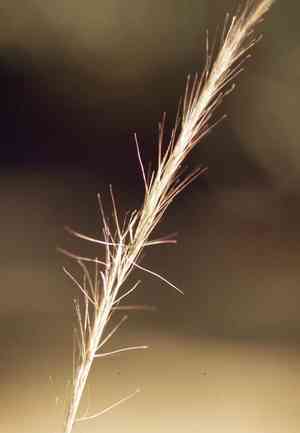
Arrow-feather three-awn (Aristida purpurascens)
Also known as: Arrowfeather Threeawn
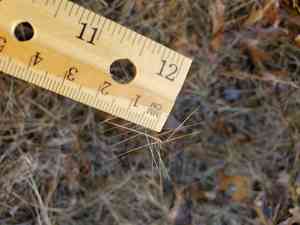
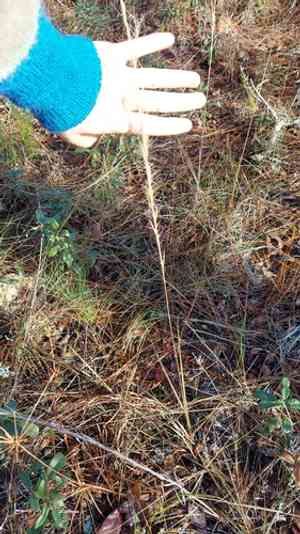
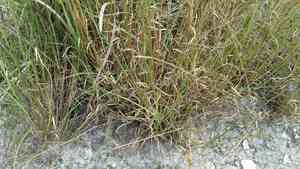
This perennial bunchgrass can grow stems reaching up to 100 centimeters in height and does not produce rhizomes. Its leaf blades are smooth, pale green, and can grow up to 25 centimeters long, often curling as they mature. The inflorescence is a panicle with branches closely aligned to the stem, giving it a narrow appearance. The awns can extend up to 2.5 centimeters in length.
In This Article
Attributes of Arrow-feather three-awn
Lifespan
Perennial
Plant Type
Grass
Plant Height
30 cm to 91 cm
Spread
N/A
Leaf Color
Green
Flower Size
N/A
Flower Color
Purple to reddish-brown
Images of Arrow-feather three-awn
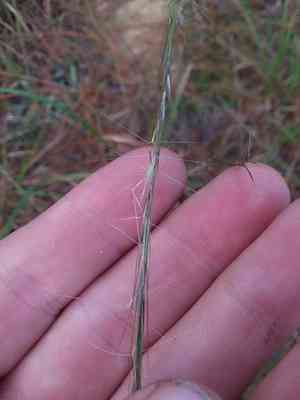
Quickly Identify Arrow-feather three-awn
1
Arrowfeather Threeawn can be identified by its narrow, erect growth habit and long awns on the seed heads. The stems are typically purplish and the leaves are narrow and linear.
Scientific Classification of Arrow-feather three-awn
Phylum
Vascular plants
Class
Monocotyledons
Order
Poales
Family
Grass
Genus
Threeawn
Species
Arrow-feather three-awn
Planting and Growing of Arrow-feather three-awn
Care Difficulty
Easy
Watering Schedule
Every 2 days
Sunlight Requirements
Full sun
Sunshine Duration
4-8 hours
Ideal Temperature
60-75℉
Soil Type
Potting Mix, Peat Mix
Soil pH
6.5-7.5
Fertilizer Type
Balanced
Pruning Season
Spring, Summer
Pruning Area
Branches, Leaves
Pruning Frequency
2 times a year
Repotting Season
Spring
Pot Type
Plastic, Ceramic
 How to Water Arrow-feather three-awn?
Aristida purpurascens, also known as purple three-awn, requires a moderate amount of water. Ensure the soil is evenly moist but not waterlogged. About 250 milliliters per session is sufficient, allowing the plant to absorb the moisture it needs without causing root rot.
What are the symptoms of an underwatered Arrow-feather three-awn?
›
What should I do if my Arrow-feather three-awn is not getting enough water?
›
What are the symptoms of an overwatered Arrow-feather three-awn?
›
How to save an overwatered Arrow-feather three-awn?
›
 What Are the Sunlight Requirements for Arrow-feather three-awn?
Aristida purpurascens thrives in full sun to partial sun. Ideal light leads to optimal growth and vibrant coloring, providing the environmental conditions this grass requires for its natural beauty and hardiness.
What is the best location for Aristida purpurascens?
›
How do I ensure Aristida purpurascens gets enough sunlight?
›
What are the benefits of proper sunlight for Aristida purpurascens?
›
 What Is the Ideal Temperature Range for Arrow-feather three-awn?
The ideal temperature range for Aristida purpurascens, commonly known as Purple Threeawn, lies between 60°F and 75°F. This range supports the plant's physiological processes, ensuring optimal growth and development. Maintaining these temperatures helps in promoting healthy root development, efficient nutrient uptake, and robust overall plant structure.
 What Soil is Best for Arrow-feather three-awn?
Aristida purpurascens thrives in well-drained soil, which prevents waterlogging and root rot. This plant benefits greatly from such soil conditions, as it ensures healthy root systems and optimal growth. Though not very demanding, Aristida purpurascens prefers moderately fertile soils. Adequate nutrients support its growth and help maintain its striking purple coloration, enhancing its ornamental value. This grass can tolerate soil pH ranging from slightly acidic to neutral, ensuring nutrient availability and preventing toxicities, which in turn supports robust plant health.
 How to Fertilize Arrow-feather three-awn?
When fertilizing Aristida purpurascens, it's important not to overfeed. For liquid fertilizers, use a balanced formula diluted to half strength. Apply about 1/4 cup (approximately 60 ml) per plant each time. For slow-release fertilizers, use about 1 tablespoon per plant, mixed into the topsoil.
 How to Prune Arrow-feather three-awn?
Begin by thoroughly inspecting the Aristida purpurascens for any dead or damaged stems. Identifying issues early helps focus your pruning efforts where they are most needed, ensuring you maintain the plant's health and appearance. When pruning, cut stems at the base, just above the soil. This method helps to prevent unsightly stubs and reduces the chance of disease. Aim for an angle cut to encourage water runoff, minimizing moisture-related issues. Remove some stems from the center of the plant if it appears congested. Thinning helps improve air circulation, reducing the risk of fungal diseases and enhancing sunlight penetration, which benefits new growth.
More About Pruning Techniques→
 How to Propagate Arrow-feather three-awn plant?
1
To propagate Aristida purpurascens by seeds, start by collecting ripe seeds from healthy parent plants. Clean the seeds thoroughly to remove any debris and allow them to dry for a few days before planting.
2
Fill the seed tray with a well-draining seed-starting mix. Sow the seeds evenly on the surface, lightly press them in, and cover with a thin layer of the mix. Ensure the seeds are kept moist and in a warm location for germination.
3
For division propagation, choose a mature Aristida purpurascens plant. Carefully dig up the plant, shake off excess soil, and gently separate the clumps. Replant each division immediately in a suitable location with similar growing conditions.
 How to Repot Arrow-feather three-awn plant?
1
Aristida purpurascens should be repotted when you notice roots outgrowing the current pot or when the soil becomes compacted. Spring or early summer is ideal as it allows the plant to establish itself before the growing season.
2
Select a pot that is slightly larger than the current one, with good drainage holes. This prevents waterlogging which can lead to root rot, and gives the roots room to expand, promoting better growth.
3
Opt for well-draining sandy soil as it replicates their natural habitat, providing necessary drainage and preventing water accumulation, which can harm the plant's roots. A mix containing sand or perlite works well for this grass.
Learn More About Arrow-feather three-awn Diseases
Anthracnose
Bacterial Leaf Spot
Bacterial Wilt
Chemical Injury
Cyst Nematode
Damping-off
Downy Mildew
Drought Stress
Fusarium Wilt
Gray Mold
Leaf Spot
Mosaic
Nutrient Deficiency
Nutrient Toxicity
Powdery Mildew
Root Rot
Root-knot Nematode
Rusts
Sooty Mold
Spider Mites
Temperature Stress
Thrips Damage
White Mold



