How to Propagate Arrow-feather three-awn?
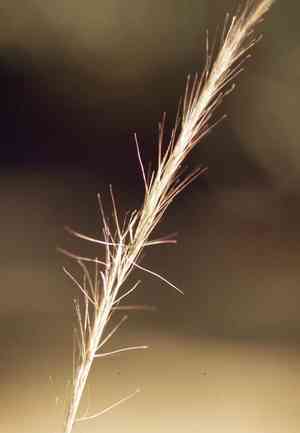
Arrow-feather three-awn flourishes when multiplied via separation, a technique perfectly aligned with its developmental patterns. Cultivators ought to meticulously divide the root masses, making certain that every fresh segment possesses sufficient roots. This approach fosters more robust, concentrated development and aids in preserving the plant's vitality. The procedure must be executed gently to prevent harm to the root structure, which is crucial for the successful integration of new specimens.
When Is the Optimal Time to Propagate Arrow-feather Three-awn?
Propagation Method
Splitting
Propagation Period
Spring,Autumn
What Equipment Is Used for Arrow-feather Three-awn Propagation?
Sharp Knife or Pruning Shears
These instruments are vital for making clean cuts through arrow-feather three-awn's root system during division. A precise cut is essential to prevent unnecessary harm and stress to the plant. A sharp knife or pruning shears will help maintain the health of the remaining root structure, encouraging faster recovery and more robust growth after splitting.
Spade or Garden Fork
Utilized for carefully digging around arrow-feather three-awn, a spade or garden fork enables gentle lifting of the plant from the ground without excessively disturbing its root system. This is particularly crucial for arrow-feather three-awn due to its delicate root structure. A garden fork is especially advantageous as its tines can be manipulated to minimize root damage, which is imperative for successful propagation.
Watering Can or Hose with a Gentle Spray Setting
Following division, arrow-feather three-awn will require thorough watering to aid in the establishment of the newly separated plants. Employing a watering can or a hose with a gentle spray setting ensures that water is distributed evenly and softly, reducing the risk of soil erosion around the fresh plantings and providing necessary hydration without overwhelming the plant.
Rooting Hormone Powder or Gel
While not compulsory, applying a rooting hormone to the cut surfaces of arrow-feather three-awn's roots can boost root development and enhance the survival rates of the divided plants. This assists in quicker establishment of the new plants in their environment, which is critical for sensitive species like arrow-feather three-awn.
How to Propagate Arrow-feather Three-awn?
Propagation Type
Simple
How to Care for Your Newly Propagated Arrow-feather Three-awn?
How to Care for Your Newly Propagated Arrow-feather Three-awn?
After propagating arrow-feather three-awn, consistent care is important to ensure healthy development. Water the plants regularly, especially during dry spells, to keep the soil moist. Arrow-feather three-awn thrives in full sunlight, so ensure it receives ample light. Minimal fertilization is needed; a light application of a balanced fertilizer can be beneficial during the growing season. Monitor for pests and diseases, though arrow-feather three-awn is generally quite resilient. As the plants mature, occasional thinning may be necessary to prevent overcrowding and promote vigorous growth.
Common Errors to Avoid When Propagating Arrow-feather Three-awn
Overwatering
Excessive watering of arrow-feather three-awn can lead to root rot, a condition harmful to most grass species. This error disrupts proper root aeration and can severely hinder the plant's ability to absorb nutrients, potentially resulting in its demise.
Excessive soil compactness
Using overly dense soil can impede the root growth of arrow-feather three-awn, making it difficult for the plant to establish itself. Compaction can also restrict water and nutrient flow, stunting development.
Neglecting to stratify seeds
Failing to stratify the seeds of arrow-feather three-awn can result in poor germination rates. This species often requires a period of cold stratification to break seed dormancy and encourage sprouting.
Advice For Propagating Arrow-feather Three-awn
Light soil texture
Utilize a light, well-draining soil mix for arrow-feather three-awn to facilitate easier root growth and prevent waterlogging. Sandy or loamy sand textures are ideal to support their growth requirements.
Seed stratification
Subject the seeds of arrow-feather three-awn to a cold stratification process prior to planting. This mimics natural winter conditions, helping to break dormancy and improve germination success.
Moisture monitoring
Ensure consistent but moderate soil moisture when propagating arrow-feather three-awn. Water the soil to keep it lightly moist but avoid overwatering to prevent root issues.



