How to Transplant Prairie three-awn?
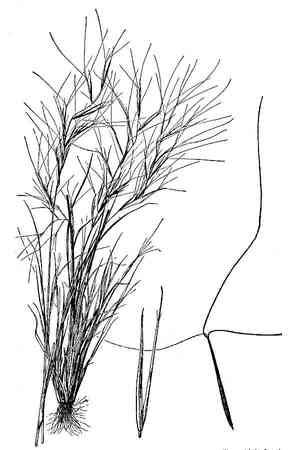
Prairie three-awn flourishes most effectively when relocated from the beginning to the end of spring, since the elevated temperatures and greater precipitation encourage root development. Optimal environments feature sun-drenched spots with soil that drains efficiently. Verify that the chosen area is devoid of rival weeds for peak development.
What Preparations are Needed Before Transplanting Prairie Three-awn?
What is the Ideal Time for Transplanting Prairie Three-awn?
The best time to move prairie three-awn is from early to late spring. This timeframe allows the annual to establish its root system during mild weather before summer heat, ensuring strong development. Spring transplanting maximizes germination success and provides the plant with adequate moisture and favorable conditions for optimal growth.
How Much Space Should You Leave Between Prairie Three-awn Plants?
For proper growth of prairie three-awn, position each plant 12-18 inches (30-45 cm) apart. This spacing provides ample room for each plant to flourish without being overcrowded.
What is the Best Soil Mix for Prairie Three-awn Transplanting?
For prairie three-awn, prepare a soil mixture that drains well. Loamy or sandy soil types are most suitable. Enhance the soil with a balanced, slow-release fertilizer prior to transplanting to supply essential nutrients.
Where Should You Relocate Your Prairie Three-awn?
Place prairie three-awn in an area that receives full sunlight. It grows best in environments with at least 6-8 hours of direct sun daily.
What Equipments Should You Prepare Before Transplantation Prairie Three-awn?
Gardening Gloves
To safeguard your hands while handling soil and plants.
Trowel
For digging small holes when moving prairie three-awn from seedling trays or pots.
Shovel
Useful for excavating larger holes and trenches if relocating from the ground.
Watering Can
To hydrate the prairie three-awn plant before and after its relocation.
Bucket
To transport soil or mulch as needed.
How Do You Remove Prairie Three-awn from the Soil?
How Do You Remove Prairie Three-awn from the Soil?
From Ground: First, moisten the prairie three-awn plant to soften the soil. Then, use a shovel to dig a wide trench around the plant, ensuring the root ball remains intact. Carefully work the shovel beneath the root ball to lift the plant from its original spot.From Pot: Start by watering the prairie three-awn plant to make the soil easier to manage. Gently tilt the pot to one side and tap the base to loosen the plant. Carefully extract the plant, making sure to keep the root ball undisturbed.From Seedling Tray: Water the seedlings to keep the soil cohesive. Use a trowel or gently push from the bottom of each cell to extract the seedlings, being careful not to harm the roots or stems.
Step-by-Step Guide for Transplanting Prairie Three-awn
Site Preparation
Prepare the new planting location by digging a hole twice as wide and as deep as the prairie three-awn plant's root ball.
Plant Placement
Position the prairie three-awn plant into the hole, ensuring it stands upright and the top of its root ball is level with the surrounding ground.
Backfilling
Gently refill the hole with soil, lightly pressing down to remove any air pockets around the root ball. Confirm the plant is firm and stable.
Watering
Thoroughly water the newly transplanted prairie three-awn plant to settle the soil around its roots and help minimize transplant shock.
Mulching
Apply a thin layer of mulch around the plant's base to retain moisture and prevent weed growth. Avoid placing mulch directly against the plant's stem.
How Do You Care For Prairie Three-awn After Transplanting?
Watering
Maintain consistent moisture in the soil around the prairie three-awn, avoiding sogginess, for the initial weeks post-transplant to encourage strong root development.
Weed Control
Regularly inspect for and eliminate any weeds that might compete with your prairie three-awn plant for nutrients and water.
Observation
Monitor the plant frequently for indications of stress or illness, such as wilting or yellowing leaves, and take appropriate action if necessary.
Troubleshooting Common Issues with Prairie Three-awn Transplantation.
When is the best time to transplant prairie three-awn?
The ideal period for relocating prairie three-awn is from early to late spring.
How should I space prairie three-awn plants?
Position prairie three-awn plants approximately 12-18 inches (30-45 cm) apart for optimal development.
What should the soil be like for prairie three-awn?
Ensure well-draining, sandy or loamy soil with good aeration for healthy prairie three-awn growth.
How deep should I plant prairie three-awn seedlings?
Plant prairie three-awn seedlings at the same depth they were in their original containers.
How do I prepare prairie three-awn for transplanting?
Water prairie three-awn thoroughly the day before transplanting to facilitate root movement and reduce stress.
What is the best spot for transplanting prairie three-awn?
Select a sunny location with well-draining soil to ensure prairie three-awn thrives in its new environment.
How do I reduce transplant shock for prairie three-awn?
Gradually acclimate prairie three-awn seedlings to outdoor conditions and handle them gently during the transplanting process.
Should I fertilize prairie three-awn after transplanting?
Lightly fertilize prairie three-awn a few weeks after transplanting to encourage healthy establishment.
How do I water prairie three-awn after transplanting?
Water prairie three-awn immediately after transplanting and keep the soil consistently moist, but not waterlogged.
What should I avoid when transplanting prairie three-awn?
Refrain from transplanting prairie three-awn in extremely hot or windy conditions to prevent excessive stress.



