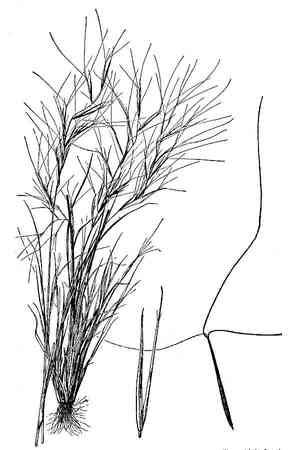
Prairie three-awn (Aristida oligantha)
Also known as: Prairie threeawn, Few-flowered three-awn, Wiregrass
Native to the United States and southern Canada, the Common Evening Primrose (Oenothera biennis) also extends into northern Mexico. This adaptable plant thrives in various habitats, particularly in dry regions with sandy or gravelly soils. It frequently emerges in disturbed or burned areas and can often be found along roadsides and railroads.
In This Article
Attributes of Prairie three-awn
Lifespan
Annual
Plant Type
Grass
Plant Height
30 cm to 91 cm
Spread
N/A
Leaf Color
Green
Flower Size
N/A
Flower Color
Greenish or purplish
Images of Prairie three-awn
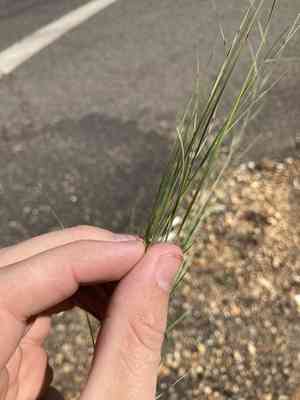
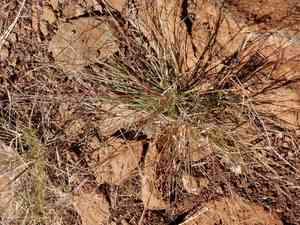
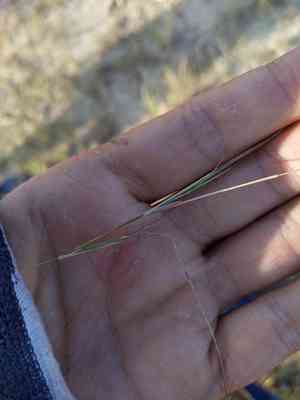
Quickly Identify Prairie three-awn
1
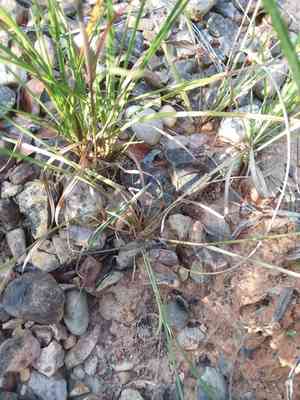
The plant can be identified by its distinctive awns, which are long, thin, and terminate in three bristles. The leaves are narrow and the seed heads are sparse.
Scientific Classification of Prairie three-awn
Phylum
Vascular plants
Class
Monocotyledons
Order
Poales
Family
Grass
Genus
Threeawn
Species
Prairie three-awn
Planting and Growing of Prairie three-awn
Care Difficulty
Easy
Watering Schedule
Every 3 days
Sunlight Requirements
Full sun
Sunshine Duration
4-8 hours
Ideal Temperature
60-80℉
Soil Type
Potting Mix, Peat Mix
Soil pH
6.5-7.5
Fertilizer Type
Balanced
Pruning Season
Spring, Summer
Pruning Area
Branches, Leaves
Pruning Frequency
2 times a year
Repotting Season
Spring
Pot Type
Terracotta, Plastic
 How to Water Prairie three-awn?
For Aristida oligantha, the watering should mimic its natural habitat. Typically, watering should be done until the soil feels moist but not soggy, approximately 250 ml per session for an average-sized pot. This ensures the roots get enough moisture without being oversaturated, promoting healthy growth.
What are the symptoms of an underwatered Prairie three-awn?
›
What should I do if my Prairie three-awn is not getting enough water?
›
What are the symptoms of an overwatered Prairie three-awn?
›
How to save an overwatered Prairie three-awn?
›
 What Are the Sunlight Requirements for Prairie three-awn?
Full sun is optimal for Aristida oligantha. Adequate sunlight ensures vigorous growth, vibrant coloration, and supports healthy photosynthetic activity, crucial for energy production.
What are the ideal lighting conditions for Aristida oligantha?
›
How can you ensure Aristida oligantha receives ideal sunlight?
›
What are the benefits of providing ideal sunlight to Aristida oligantha?
›
 What Is the Ideal Temperature Range for Prairie three-awn?
The ideal temperature range for growing Aristida oligantha, commonly known as Prairie Threeawn, is between 60°F and 80°F. This temperature range facilitates optimal photosynthesis and nutrient absorption, ensuring robust growth and development. Maintaining temperatures within this range helps the plant thrive by supporting enzymatic activities crucial for metabolic functions.
 What Soil is Best for Prairie three-awn?
Aristida oligantha benefits from well-drained soil as it prevents waterlogging, which can lead to root rot. Ensuring proper drainage mimics its natural habitat, allowing the roots to breathe and absorb nutrients efficiently. This species requires soil with moderate nutrient levels. Excessive nutrients can lead to lush foliage at the expense of seed production, while insufficient nutrients can stunt growth. Balanced fertility supports healthy development. Aeration is crucial for Aristida oligantha as it enables roots to access oxygen and prevents compaction. Loose soil structures enhance root expansion and access to water and nutrients, fostering robust plant growth.
 How to Fertilize Prairie three-awn?
Aristida oligantha typically requires light fertilization due to its native prairie habitat. For liquid fertilizers, dilute to half the recommended strength to avoid nutrient overload. Use about 500 ml per application, aimed at enhancing growth without overwhelming the plant's natural resilience.
 How to Prune Prairie three-awn?
Begin by observing your Aristida oligantha and pinpoint any dead, damaged, or diseased sprigs. Removing these parts first encourages new growth and prevents disease from spreading to healthy parts. Use sharp shears to selectively trim and shape the grass, focusing on keeping a natural, airy look. This enhances the plant’s ornamental appeal while allowing light and air to circulate through the foliage, which is crucial for photosynthesis and growth.
More About Pruning Techniques→
 How to Propagate Prairie three-awn plant?
1
Collect seeds from mature Aristida oligantha plants in late summer when the seed heads have dried. It's important to gather them before they disperse naturally. Clean the seeds by removing any chaff or debris.
2
Fill seed trays with a well-draining potting mix. Uniformly distribute the seeds across the surface and lightly cover them with a thin layer of soil. This ensures good contact of the seed with the soil, crucial for germination.
3
Water the seeds gently and evenly to avoid washing them away. Place the trays in a warm, well-lit area and maintain consistent moisture. Use a fine mist spray to prevent over-saturation or drying out.
 How to Repot Prairie three-awn plant?
1
Repot Aristida oligantha when you notice it growing sluggishly or the roots are peeking out from the drainage holes. These signs indicate the plant has outgrown its container. The best time is during its active growing period in spring or early summer for minimal stress.
2
Select a pot that is slightly larger than the current one, with adequate drainage holes. This prevents waterlogging while giving the roots space to expand. A pot made of breathable material like terracotta is ideal, as it allows moisture evaporation and keeps root rot at bay.
3
Opt for a well-draining sandy soil mix to provide strong drainage and aeration. This soil type mimics its natural environment, prevents root rot, and allows easy water flow, ensuring the roots remain healthy and hydrated without staying wet for too long.



