How to Prune Prairie three-awn?
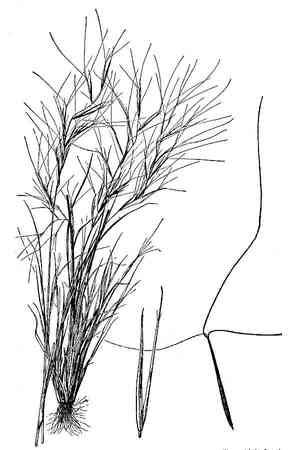
A delicate, enduring grass indigenous to North American grasslands, prairie three-awn is recognized by its unique three-pointed seed appendages. Trimming, primarily to eliminate aged leaves and stimulate fresh development, ought to be performed in early spring or late autumn to ready prairie three-awn for its developmental phase. Regular summer tidying aids in preserving the plant's vigor and aesthetic. Consistent trimming aids prairie three-awn by fostering thicker foliage and discouraging pests through the removal of old, possibly infested or ailing plant matter.
What Are the Benefits of Pruning Prairie Three-awn?
What Are the Benefits of Pruning Prairie Three-awn?
Trimming prairie three-awn encourages robust development and helps keep its desired form, which is crucial for landscape aesthetics and preventing excessive growth that could harm plant vitality.
What Is the Best Time for Pruning Prairie Three-awn?
What Is the Best Time for Pruning Prairie Three-awn?
For prairie three-awn, the best time for trimming or cutting is during Spring, Summer, and Fall. In Spring, early season trimming promotes growth as the plant awakens from dormancy, ensuring strong development throughout warmer months. Summer pruning helps maintain the plant's shape and manages its size, which is vital given prairie three-awn's tendency to spread. It also aids in preventing unwanted seed dispersal, which can lead to overpopulation in garden settings. In Fall, pruning should be done to remove any dead or damaged foliage accumulated over the growing season, which enhances overall plant health and prepares it for winter dormancy.
What Tools Do I Need to Prune Prairie Three-awn?
Grass shears
These are perfect for trimming and shaping prairie three-awn due to their sharp blades and precise cutting ability. Grass shears can handle the finer textures of prairie three-awn's foliage without causing damage.
Hand pruners
Suitable for removing dead or unwanted stems of prairie three-awn, hand pruners provide a clean, close cut, necessary to maintain plant health and prevent disease.
Garden scissors
These scissors are useful for detailed pruning and can handle the delicate task of cutting back prairie three-awn's thin, wiry stems. Their precision helps in making targeted cuts without harming adjacent plant parts.
How to Prune Prairie Three-awn
Identify
Locate withered or dead leaves on prairie three-awn. Pinpoint these parts as they do not contribute to the plant's growth and can detract from its overall health and appearance.
Gather tools
Collect appropriate pruning tools, such as sharp, clean scissors or pruning shears. Ensuring the tools are clean helps prevent the spread of disease between plants.
Cut
Carefully cut the withered leaves at the base where they join the main plant or stem. Make clean cuts to avoid damaging the healthier parts of prairie three-awn.
Dispose
Properly discard the removed leaves. Do not leave them near the plant, as they could harbor pests or diseases that might affect prairie three-awn.
Inspect
Perform a final check of prairie three-awn to ensure all undesirable leaves have been removed and the plant maintains a healthy structure. Observe if there are other areas that need attention or further trimming.
Common Pruning Mistakes with Prairie Three-awn
Over-Pruning
A common error is removing too much foliage from prairie three-awn. This can stress the plant, hindering its natural growth and reducing its robustness against environmental factors.
Improper Tool Use
Using dull or dirty pruning tools can damage the delicate stems of prairie three-awn, leading to frayed cuts that heal poorly and may develop infections.
Incorrect Pruning Technique
Cutting prairie three-awn too close to the crown can prevent the plant from regenerating effectively. Conversely, leaving too long a stub can invite pests and diseases.
Common Pruning Tips for Prairie Three-awn
Selective Thinning
Instead of shearing, selectively remove older stems to improve air circulation and light penetration within prairie three-awn. This encourages healthy new growth.
Tool Care
Always use sharp, clean pruning shears. Sharp tools make cleaner cuts that heal faster, minimizing the risk of disease.
Hygiene
Disinfect pruning tools before and after use to prevent the spread of disease among your garden plants. This is crucial when dealing with a plant as sensitive as prairie three-awn.
Timely Removal
Regularly remove dead or damaged stems from prairie three-awn to maintain plant health and aesthetic appeal. This prevents decay organisms from settling on the plant.



