How to Transplant Asian green dragon?
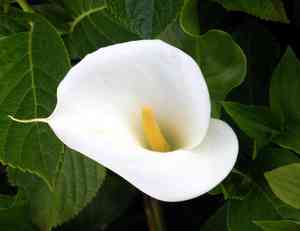
Relocate asian green dragon during the invigorating period of early spring to achieve optimal root development. Choose a spot offering partial shade and rich, well-draining earth. Handle with care during the move to safeguard its fragile roots and guarantee successful growth.
What Preparations are Needed Before Transplanting Asian Green Dragon?
What is the Ideal Time for Transplanting Asian Green Dragon?
The optimal period for relocating asian green dragon is the spring season, as this time promotes vigorous development. Moving asian green dragon in spring allows it to settle in prior to summer's heat, establishing a strong base for flourishing foliage.
How Much Space Should You Leave Between Asian Green Dragon Plants?
First, clear an outdoor area for planting asian green dragon. Remember your plants require room to expand, so plan for a distance of approximately 1.5-2.5 feet (45-76 cm) between each specimen. This ensures ample space for them to thrive.
What is the Best Soil Mix for Asian Green Dragon Transplanting?
Next, prepare your soil foundation. Asian green dragon prefers soil that drains well. It's beneficial to incorporate some organic compost or manure as a nutrient source. This supplies nourishment for the plant and helps improve soil quality.
Where Should You Relocate Your Asian Green Dragon?
Finally, select the appropriate site. Asian green dragon flourishes in partial sun to full shade, so an area receiving morning light and afternoon shade would be perfect. This guarantees it gets necessary light without overheating.
What Equipments Should You Prepare Before Transplantation Asian Green Dragon?
Gardening Gloves
These are crucial for safeguarding your hands while handling soil and plants.
Spade or Shovel
This will be used to excavate the plant from its original spot while keeping the root ball intact.
Garden Fork
This implement is used to turn over and loosen the earth at the new planting location.
Garden Trowel
A small hand tool employed for digging the new hole and moving the asian green dragon.
Garden Hose or Watering Can
Required for hydrating the plant both before and after the relocation process.
Organic Compost
Helps to enrich the ground and supply nutrients for the asian green dragon plant.
Mulch
Aids in retaining soil moisture and regulating temperature.
How Do You Remove Asian Green Dragon from the Soil?
How Do You Remove Asian Green Dragon from the Soil?
From Ground: Thoroughly water your asian green dragon plant to moisten the surrounding soil. This will facilitate easier and less stressful removal for the plant. Using a spade or shovel, carefully dig around the plant, aiming to keep the root ball as whole as possible. Gradually work the spade beneath the root ball, gently prying it from the ground until the entire plant is free.From Pot: Water the asian green dragon plant extensively before transplanting. Tilt the pot on its side and gently slide the plant out. If the plant is stuck, lightly tap the sides and bottom of the pot or carefully cut the pot to release the asian green dragon without harming its roots.From Seedling Tray: Water the seedlings before extracting them. Gently lift the asian green dragon seedlings by their leaves, not the stem or roots, or use a small utensil like a spoon to scoop them out.
Step-by-Step Guide for Transplanting Asian Green Dragon
Preparation
Begin by ensuring all your tools are readily available. Water your asian green dragon plants well before commencing the transplanting procedure.
Soil Preparation
Turn over and loosen the soil at the new planting site using a garden fork. Mix in some organic compost to enrich the earth.
Transplanting
Dig a hole that is twice as wide and equally deep as the root ball of the asian green dragon. Carefully place the plant in the hole, making sure the top of the root ball is level with the soil surface.
Filling
Backfill the hole with soil, gently firming it around the base of the asian green dragon. Avoid covering the stem or leaves.
Watering
Water your newly transplanted asian green dragon thoroughly.
Mulching
Add a layer of mulch around the plant's base to help retain moisture.
How Do You Care For Asian Green Dragon After Transplanting?
Monitoring
Keep a close watch on your recently transplanted asian green dragon. It may require time to adapt to the new environment, so do not be concerned if there are indications of transplant shock such as wilting foliage.
Water Management
Ensure the soil remains consistently damp, but be wary of over-watering as waterlogged soil can lead to root rot. Reduce irrigation once the plant shows signs of growth.
Maintenance
Remove any dead or dying leaves to encourage new development and prevent disease.
Protection
Depending on your geographical location, shield the plant from harsh weather conditions like strong winds or cold temperatures. In the event of pests or disease, consult a local plant nursery or extension service for specific guidance.
Troubleshooting Common Issues with Asian Green Dragon Transplantation.
What's the best season to transplant asian green dragon?
The optimal period for relocating asian green dragon is during the early to mid-growth season. In terms of timing, this typically spans from the beginning of spring until the middle of summer.
How far apart should I space asian green dragon when transplanting?
When moving asian green dragon, maintain a gap of 1.5 to 2.5 feet (45 to 75 cm) between each plant. This adequate spacing allows for optimal growth and health.
What is the suitable soil type for transplanting asian green dragon?
Asian green dragon prefers rich, well-drained soil. It can be loam, clay, or sand-based. A pH range anywhere between 6 and 7.5, even slightly alkaline, is ideal.
How should I prepare the soil for transplanting asian green dragon?
To create a favorable environment for asian green dragon, enrich the soil with organic matter. Ensure it's well-drained to prevent root rot. Break up any hard clumps for easy root penetration.
What should be the depth of the holes for transplanting asian green dragon?
Dig a hole deep enough to completely cover the root ball of asian green dragon. Generally, this should be around 8 to 10 inches (20 to 25 cm).
How frequently should I water asian green dragon after transplantation?
For best results, water asian green dragon thoroughly after transplanting, and maintain regular watering until the plant is fully established, ensuring the soil remains moderately moist.
Why is my transplanted asian green dragon showing signs of withering?
Withering can indicate transplant shock caused by root disturbance during the move. Provide asian green dragon with ample water and avoid direct sunlight exposure during recovery.
Why is my transplanted asian green dragon not growing?
If your asian green dragon is not growing, it might be due to poor soil conditions, incorrect spacing, or insufficient watering. Ensure to follow the transplanting guidelines closely.
Will asian green dragon spread after transplanting, and how can I control it?
Asian green dragon could spread if conditions are ideal for it. Regular pruning and maintaining the recommended spacing can help manage its growth and spread.
What if I see yellow leaves after transplanting asian green dragon?
Yellow leaves may result from over-watering, nutrient deficiency, or inadequate light. Ensure proper watering, provide necessary nutrients, and place asian green dragon in a location with filtered sunlight.



