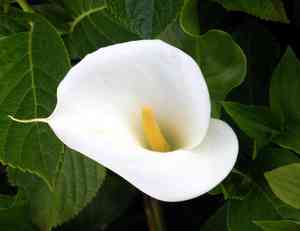
Asian green dragon (Arisaema amurense)
Also known as: Jack-in-the-pulpit, Amur jack-in-the-pulpit
The Asian green dragon (Arisaema amurense) is an attractive and manageable plant that thrives in woodland gardens. It flourishes in areas with dappled shade, mimicking its natural forest environment. This species does well in clumps and prefers well-drained, humus-rich soil. Additionally, it is deer-resistant, making it a practical choice for garden settings.
In This Article
Attributes of Asian green dragon
Lifespan
Perennial
Plant Type
Herb
Plant Height
50 cm
Spread
50 cm
Leaf Color
Green Orange Bronze
Flower Size
2 cm
Flower Color
Green Purple White Yellow Pink Brown
Images of Asian green dragon
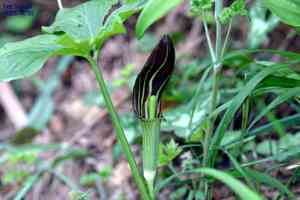
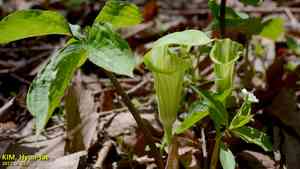
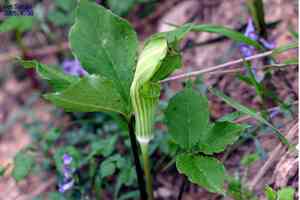
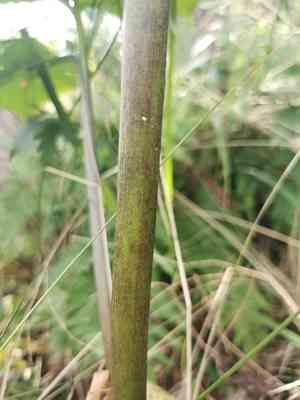
Quickly Identify Asian green dragon
1
To identify Arisaema amurense, look for its distinct spathe and spadix structure. The spathe is typically green with pale stripes, and the spadix can either be green or purplish. Its leaves are trifoliate and broad-shaped, making it stand out from other foliage.
Scientific Classification of Asian green dragon
Phylum
Vascular plants
Class
Monocotyledons
Order
Alismatales
Family
Arum
Genus
Jack-in-the-pulpit
Species
Asian green dragon
Planting and Growing of Asian green dragon
Care Difficulty
Moderate
Watering Schedule
Every 3 days
Sunlight Requirements
Partial sun
Sunshine Duration
6-10 hours
Ideal Temperature
60-75℉
Soil Type
Potting Mix, Peat Mix
Soil pH
5.5-7
Fertilizer Type
Balanced
Pruning Season
Spring, Summer
Pruning Area
Branches, Leaves
Pruning Frequency
3 times a year
Repotting Season
Spring
Pot Type
Terracotta, Plastic
 How to Water Asian green dragon?
The amount of water for Arisaema amurense should be moderate yet consistent. Water until the top inch of soil is thoroughly moist, ensuring that excess water can drain away to avoid root rot. Equilibrium is key, keeping the soil neither too wet nor too dry.
What are the symptoms of an underwatered Asian green dragon?
›
What should I do if my Asian green dragon is not getting enough water?
›
What are the symptoms of an overwatered Asian green dragon?
›
How to save an overwatered Asian green dragon?
›
 What Are the Sunlight Requirements for Asian green dragon?
Partial sun or full shade is ideal for Arisaema amurense, balancing light exposure to prevent stress. Proper lighting helps maintain vibrant foliage and supports a healthy life cycle.
More About Sunlight Requirements Techniques→
What is the best lighting for Arisaema amurense?
›
How can I ensure Arisaema amurense gets its ideal light?
›
What benefits does Arisaema amurense gain from ideal lighting?
›
 What Is the Ideal Temperature Range for Asian green dragon?
The ideal temperature range for Arisaema amurense is between 60°F and 75°F. This range offers optimal growth conditions for the plant, providing a stable environment that mimics its natural habitat. Maintaining this temperature ensures proper growth and flowering while reducing stress.
 What Soil is Best for Asian green dragon?
Arisaema amurense thrives in well-drained soil conditions, ensuring that water doesn't stagnate around its roots, which can prevent root rot and encourage healthy growth. This plant prefers soil that retains moisture well, supplying it with consistent moisture without becoming waterlogged, crucial for sustaining its lush growth and vibrant foliage. A soil abundant in organic matter provides essential nutrients, supporting the plant's development and enhancing its resilience against environmental stresses.
 How to Fertilize Asian green dragon?
For Arisaema amurense, it's crucial to use fertilizer sparingly to prevent nutrient overdose. Liquid fertilizers should be diluted to half the recommended strength. Apply slow-release fertilizers lightly, ensuring the pellets don't directly contact the plant roots to avoid fertilizer burn.
 How to Prune Asian green dragon?
Begin with a thorough inspection of Arisaema amurense. Look for any leaves that are yellowing or showing signs of damage or disease, as these should be your initial focus. Carefully trim away any dead or yellowing foliage. Make cuts close to the base of the leaf stem, ensuring a clean cut without damaging the main stem. To maintain a pleasing shape, trim back any excessively long stems that disrupt the desired form of the plant. This helps in providing a balanced appearance. As you prune, inspect for any signs of pest infestations, such as holes in leaves or webbing. Address any issues promptly to keep the plant healthy.
More About Pruning Techniques→
 How to Propagate Asian green dragon plant?
1
Collect ripe seeds from the fruiting bodies of Arisaema amurense. Ensure the seeds are cleaned and dried properly before sowing. Store them in a cool, dry place if not planting immediately.
2
Prepare a well-draining soil mix rich in organic matter. The soil should be slightly acidic to neutral to accommodate the optimal growth conditions for Arisaema amurense.
3
During late spring, carefully dig up the plant and use a spade to divide the rhizomes. Ensure that each division has at least one bud or growing point to facilitate new growth.
 How to Repot Asian green dragon plant?
1
Look for signs like outgrown pots, roots poking from drainage holes, or poor soil quality. Arisaema amurense benefits from repotting in early spring, just before the new growth cycle begins. This ensures minimized stress and optimal growth.
2
Opt for a pot 1-2 inches larger in diameter than the current one, with good drainage holes. A slightly bigger pot allows room for root growth while preventing waterlogging—a crucial factor for healthy Arisaema amurense.
3
Select a well-draining, loamy mix to ensure adequate moisture retention without risking root rot. A mix tailored for Arisaema amurense not only supports robust growth but also minimizes the chances of overwatering.
Toxicity
Ingestion, Skin contact
WARNING
The judgment on toxicity and danger is for reference only. We DO NOT GUARANTEE any accuracy of such judgment. Therefore, you SHALL NOT rely on such judgment. It is IMPORTANT TO SEEK PROFESSIONAL ADVICE in advance when necessary.
Learn More About Asian green dragon Diseases
Anthracnose
Bacterial Leaf Spot
Bacterial Soft Rot
Bacterial Wilt
Crown Gall
Cyst Nematode
Damping-off
Downy Mildew
Drought Stress
Fusarium Wilt
Gray Mold
Leaf Spot
Mosaic
Nutrient Deficiency
Nutrient Toxicity
Powdery Mildew
Root Rot
Root-knot Nematode
Rusts
Sooty Mold
Spider Mites
Temperature Stress
Thrips Damage
White Mold



