The Asian green dragon Plant Advantage: Maximizing Home and Office Appeal and Wellness
1
The Asian green dragon flourishes in dimly lit environments, making it an excellent choice for gardens with minimal sunlight.
2
Its distinctive look is well-known, bringing an exotic flair to outdoor spaces.
3
This plant requires minimal care, making it perfect for those new to gardening.
Why Select Asian green dragon for Your Garden?
Visual Appeal
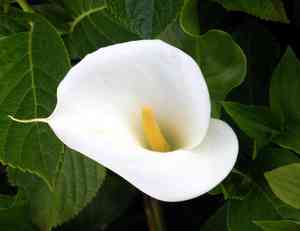
Asian green dragon is celebrated for its striking look. Its shiny green leaves and distinct form can make it a focal point in any garden. Whether planted in a flower bed or as a standalone feature, Asian green dragon consistently draws attention.
Shaded Garden Essential
Many plants struggle in low-light areas, but not Asian green dragon. This plant flourishes in dim conditions, making it an excellent option for garden sections receiving minimal to no direct sun. Its adaptability helps fill those challenging shady spots, creating lush greenery where other plants might fail.
How to Grow Asian green dragon Successfully?
Optimal Growing Conditions
Asian green dragon prefers damp, well-draining soil rich in organic matter. It's best positioned in a spot that mimics its natural forest habitat, protected from strong winds and excessive heat. Applying mulch around the base can help retain soil moisture and maintain a cooler root zone.
Planting and Propagation Advice
Starting from bulbs or tubers, plant Asian green dragon in spring or autumn, ensuring the base is set several inches deep. Space plants adequately to allow for growth. Propagation is generally simple; dividing tubers during dormancy enables successful expansion of your Asian green dragon collection.
What Makes Asian green dragon Easy to Maintain?
Minimal Watering Needs
Unlike many exotic plants, Asian green dragon is relatively self-sufficient once established. Consistent watering is vital during the initial planting phase, but once roots are firm, the plant tends to endure dry spells, requiring less frequent irrigation.
Pest and Disease Resistance
Asian green dragon possesses a natural resilience to many common garden pests and diseases. Its tough foliage and unpalatable taste deter herbivores, while its robust nature helps it resist mold and mildew. This low-maintenance aspect makes it a favorite among gardeners seeking effortless cultivation.
How Does Asian green dragon Support Biodiversity?
Attracting Wildlife
Asian green dragon can contribute to supporting local ecosystems. It draws various insects, which in turn provide sustenance for birds and other wildlife. This makes your garden not only more beautiful but also more ecologically diverse.
Part of Native Plant Landscaping
Incorporating Asian green dragon into your garden can enhance its native flora component. This assists in creating a more natural and balanced environment, supporting indigenous species and promoting ecological sustainability.
Can Asian green dragon Be Grown Indoors?
Indoor Cultivation Potential
Given the right conditions, Asian green dragon can also be a wonderful indoor plant. A well-lit room with indirect sunlight can provide a suitable environment for it. Its exotic appearance can add a touch of greenery and elegance to your interior decor.
Indoor Care and Maintenance
Indoor Asian green dragon requires similar care to outdoor planting: appropriate soil, regular watering, and occasional feeding with a balanced fertilizer. Ensuring adequate humidity is crucial, as dry indoor air can stress the plant.
What Are the Environmental Advantages?
Soil Erosion Prevention
The strong root system of Asian green dragon aids in soil stabilization. Planting it on slopes or areas prone to erosion can reduce soil loss and preserve landscape integrity.
Air Purification
Like many plants, Asian green dragon contributes to air purification by absorbing carbon dioxide and releasing oxygen. This can improve air quality around your home and garden, making your living space a healthier environment.



