How to Transplant Japanese holly?
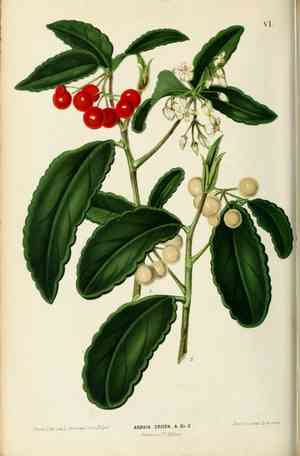
The ideal period for transplanting japanese holly is during the mild, warming weather of mid-to-late spring, fostering vigorous root development. Select a site offering filtered sunlight and soil that drains effectively. Should it be necessary, amend the area with organic material to provide japanese holly with a solid foundation for its new beginning.
What Preparations are Needed Before Transplanting Japanese Holly?
What is the Ideal Time for Transplanting Japanese Holly?
Move japanese holly during mid-to-late spring to leverage the mild climate, fostering robust root development before summer. This timing provides an optimal balance of warm soil and cool air for peak growth.
How Much Space Should You Leave Between Japanese Holly Plants?
Begin by preparing the area designated for transplanting japanese holly. Remember to position the plants approximately 2-3 feet (60-90 cm) apart. This spacing will allow them to expand and flourish without competing for resources.
What is the Best Soil Mix for Japanese Holly Transplanting?
Ensure the use of well-drained soil, enriched with organic matter such as compost for japanese holly. A slow-release base fertilizer, rich in nitrogen, phosphorus, and potassium, will create a fertile environment for its prosperity.
Where Should You Relocate Your Japanese Holly?
Select a site for japanese holly that receives either partial or full sun exposure. However, japanese holly would benefit from some afternoon shade during warmer periods. Its delicate leaves can be susceptible to intense, direct sunlight throughout the day.
What Equipments Should You Prepare Before Transplantation Japanese Holly?
Gardening Gloves
To safeguard your hands while working with soil and handling the japanese holly plant.
Shovel or Garden Trowel
Necessary for excavating the plant from its current spot and for digging a new hole in the transplanting area.
Pruning Shears
Useful for trimming any dead or unhealthy foliage on the japanese holly prior to transplanting.
Rake
Utilized for leveling the soil at the transplant site.
Garden Hose or Watering Can
For hydrating the plant before and after the transplanting procedure.
Compost
Helps to enrich the soil at the new location and promote root growth after transplant.
Mulch
Applied to retain moisture in the ground following transplantation.
How Do You Remove Japanese Holly from the Soil?
How Do You Remove Japanese Holly from the Soil?
From Ground: First, put on your gloves and water the japanese holly plant to moisten the soil. Then, using your shovel or trowel, carefully dig a wide trench around the plant, being sure not to harm the root ball. Gradually work the tool beneath the root ball to lift the plant from its original spot. Be gentle as you want to minimize root disturbance.From Pot: Water the plant first to ensure the soil is damp. Next, gently tilt the pot sideways, supporting the japanese holly at its base. Apply pressure to the pot's bottom and sides until the plant and root ball slide out. Avoid pulling the plant as this can break the stem or damage the roots.From Seedling Tray: If you are transplanting an japanese holly seedling, first water the tray. Hold the seedling by its leaves, as the stems are still very fragile. Push up from the bottom of the tray and gently remove the seedling without harming the tiny roots.
Step-by-Step Guide for Transplanting Japanese Holly
Preparing the New Location
Excavate a hole at the new site that is twice the width of the japanese holly's root ball and of equal depth. Incorporate some compost into the bottom of the hole to supply beneficial nutrients.
Planting
Carefully place the japanese holly into the hole. Ensure that the top of the root ball is flush with the ground. Backfill the hole with soil, gently firming it around the plant.
Watering
Water the japanese holly plant immediately after planting. Water should be applied until the soil around the entire planting hole is saturated.
Mulching
Apply a 2-3 inch layer of mulch around the base to help retain moisture. Avoid piling mulch against the stem to prevent rot.
How Do You Care For Japanese Holly After Transplanting?
Monitoring
Keep a close watch on the japanese holly for several weeks post-transplant. Newly moved plants can experience transplant shock (wilting, scorching, etc.), but should recover with appropriate care.
Watering
Provide adequate water to the plant until it is established. The amount of water needed depends on the plant size and location, but ensure the soil is not waterlogged.
Pruning
Prune the japanese holly sparingly until it adapts to its new location. Once the plant appears to have settled, you can prune according to the desired shape and size.
Troubleshooting Common Issues with Japanese Holly Transplantation.
What is the ideal time of year for transplanting japanese holly?
The optimal period of the year to transplant japanese holly is during late summer to early fall, often referred to as S2-S3.
How to properly prepare japanese holly's root ball for transplant?
Before transplanting, water japanese holly thoroughly to keep the root ball moist. Carefully unearth it, keeping as much soil intact around the roots as possible.
What is the recommended plant spacing for japanese holly?
To allow japanese holly ample room to grow, space your plants out by approximately 2-3 feet (60-90cm). This will ensure each plant receives sufficient sunlight and nutrients from the soil.
Should I amend the soil before transplanting japanese holly?
Yes! Japanese holly thrives in well-draining soil. Improve the soil with organic matter or compost to enhance its fertility and drainage before you transplant your japanese holly.
How deep should I dig the hole when transplanting japanese holly?
Dig a hole about twice as wide as japanese holly's root ball and just as deep. This will give the roots ample space to spread out and establish quickly.
How often should I water japanese holly after transplanting?
Water japanese holly immediately after transplanting to help settle the soil, then maintain regular watering in the first few weeks. Adjust watering based on weather conditions, ensuring the soil is moist, not soggy.
Should I prune japanese holly after transplanting?
After transplanting, it's advisable to prune japanese holly lightly to reduce water loss due to transpiration and stress, but excessive pruning might harm the plant, so keep it light.
How to handle japanese holly that shows signs of transplant shock, like wilting or yellowing?
If japanese holly exhibits signs of transplant shock, ensure it's receiving proper water and avoid harsh sunlight. Applying a root stimulant might also help the plant recover quickly.
What should I do if japanese holly's growth seems stunted after transplanting?
If japanese holly isn't flourishing, make sure it's getting enough water and sunlight. Review your soil quality and consider adding compost or a plant-specific fertilizer to boost growth.
What pests should I watch out for after transplanting japanese holly?
Japanese holly is relatively resistant to pests, but be vigilant for common issues like aphids and scale insects. Use organic pesticides or introduce natural predators if necessary.



