The Japanese holly Plant Advantage: Maximizing Home and Office Appeal and Wellness
1
Japanese holly is prized for its attractive decorative qualities in landscapes.
2
This species flourishes in both low-light and bright conditions.
3
Japanese holly has historically been utilized in customary applications due to its diverse advantageous characteristics.
How Does Japanese holly Enhance Garden Aesthetics?
Ornamental Appeal
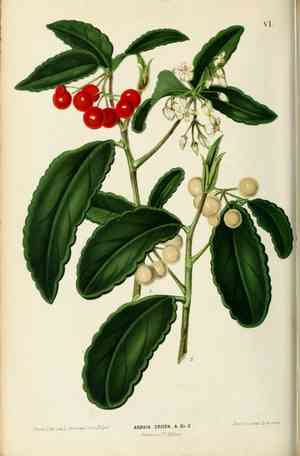
A primary reason for choosing Japanese holly is its striking visual charm. The plant features lustrous, evergreen foliage that stays vibrant throughout the year. Its deep green leaves are beautifully accented by clusters of bright red berries, adding a burst of color to gardens even in colder months.
Versatility in Garden Design
Garden designers and landscapers frequently prefer Japanese holly due to its adaptability. Whether you aim to form a natural hedge, fill in shaded garden areas, or introduce a captivating focal point, Japanese holly integrates well into diverse garden layouts. Its capacity to flourish in both sunny and shaded environments makes it a flexible option for various landscapes.
Can Japanese holly Improve Your Garden's Ecosystem?
Wildlife Attraction
Japanese holly acts as a draw for various forms of wildlife. Its bright red berries entice birds, particularly during winter when food sources are scarce. Furthermore, blooming varieties can attract pollinators like bees and butterflies, fostering a healthier and more dynamic garden ecosystem.
Soil Health
The root system of Japanese holly contributes to the stability and well-being of the soil. Its roots help prevent erosion while enhancing soil structure. Additionally, as leaves and berries fall and decompose, they return valuable nutrients to the soil, creating a more fertile gardening environment.
How Does Japanese holly Fit into Traditional Practices?
Cultural Significance
In numerous cultures, Japanese holly possesses considerable cultural and traditional importance. It is often incorporated into decorative displays during festivals and is regarded as a symbol of good fortune. Understanding the cultural heritage linked to Japanese holly can deepen your appreciation for this plant.
Traditional Uses
Beyond its visual allure, Japanese holly has been employed in various traditional customs. Parts of the plant, including its leaves and berries, have been used in crafting and other customary activities. While these applications enrich the plant's history, it's crucial to acknowledge and respect these traditional practices.
How to Cultivate and Care for Japanese holly?
Ideal Growing Conditions
Japanese holly is a robust plant capable of thriving in diverse conditions. For optimal growth, plant Japanese holly in well-drained soil and ensure it receives ample sunlight or partial shade. Consistent watering will aid in establishing the plant, though it is notably drought-tolerant once mature.
Maintenance Tips
Caring for Japanese holly requires relatively little effort. Prune the plant periodically to maintain its form and encourage new growth. Monitor for pests and diseases, although Japanese holly is generally resilient and resistant to common garden nuisances. Applying mulch around the plant's base can help retain moisture and regulate soil temperature.
Can Japanese holly Be Part of Your Indoor Plant Collection?
Indoor Growth Potential
While Japanese holly is typically found in outdoor gardens, it can also be cultivated indoors. When grown as a houseplant, Japanese holly needs a bright location with access to indirect sunlight. A well-draining potting mix will support its development, and regular watering will keep it thriving.
Indoor Care Best Practices
To care for Japanese holly indoors, place it in a spot where it can receive ample light, such as near a window. Water the plant when the top layer of soil feels dry, but avoid overwatering to prevent root rot. Providing occasional feeding with a balanced fertilizer can also promote vigorous growth.
What Makes Japanese holly Unique Among Ornamental Plants?
Distinctive Features
The singular combination of glossy leaves, vibrant berries, and adaptable growing conditions makes Japanese holly stand out. Unlike many ornamental plants that may lose their appeal in winter, Japanese holly maintains its beauty year-round, making it a perpetual favorite among gardeners.
Adaptability
Japanese holly's capacity to adjust to various environmental factors, including different soil types and light levels, distinguishes it. Whether you are an experienced gardener or a beginner, Japanese holly offers a manageable yet rewarding gardening experience.



