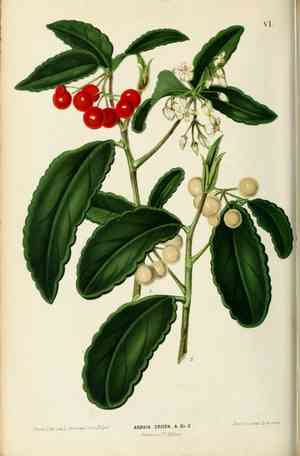
Japanese holly (Ardisia crispa)
Also known as: Christmas Berry, Coralberry
The Japanese holly (Ilex crenata) is a popular evergreen shrub ideal for topiaries. It yields vibrant fruit, adding a splash of color to gardens. Japanese holly responds well to pruning, making it easy to manage its size and shape. These hardy shrubs are slow-growing, which helps maintain their form over time.
In This Article
Attributes of Japanese holly
Lifespan
Perennial
Plant Type
Shrub
Plant Height
1 m
Spread
Can spread up to 1 meter wide
Leaf Color
Green
Flower Size
4 mm to 5 mm
Flower Color
White Pink
Images of Japanese holly
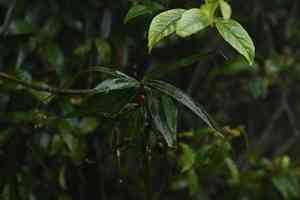
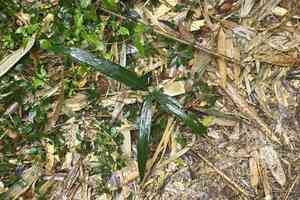
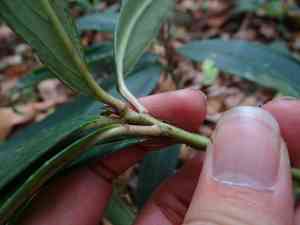
Quickly Identify Japanese holly
1
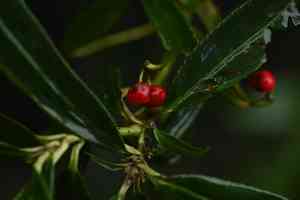
Identify Ardisia crispa by its shiny, dark green leaves with crisped edges, small pink or white flowers, and clusters of red berries which are present throughout the winter months.
Scientific Classification of Japanese holly
Phylum
Vascular plants
Class
Dicotyledons
Order
Ericales
Family
Primrose
Genus
Marlberry
Species
Japanese holly
Planting and Growing of Japanese holly
Care Difficulty
Easy
Watering Schedule
Every 4 days
Sunlight Requirements
Partial sun
Sunshine Duration
6-10 hours
Ideal Temperature
65-77℉
Soil Type
Potting Mix, Peat Mix
Soil pH
5.5-6.5
Fertilizer Type
Balanced
Pruning Season
Spring, Summer
Pruning Area
Branches, Leaves
Pruning Frequency
Once a year
Repotting Season
Spring
Pot Type
Plastic, Ceramic
 How to Water Japanese holly?
For Ardisia crispa, it is essential to ensure the soil is consistently moist but not waterlogged. The plant thrives in humid environments, which means that the soil should be kept evenly moist. Ensure the top inch of the soil is not dry when you water again, but avoid leaving the plant sitting in water to prevent root rot.
What are the symptoms of an underwatered Japanese holly?
›
What should I do if my Japanese holly is not getting enough water?
›
What are the symptoms of an overwatered Japanese holly?
›
How to save an overwatered Japanese holly?
›
 What Are the Sunlight Requirements for Japanese holly?
Ardisia crispa thrives best in conditions of partial sun to full shade, mimicking its natural ecosystem. Ideal lighting supports strong growth patterns, vibrant leaves, and flourishing blooms.
More About Sunlight Requirements Techniques→
What is the best location for Ardisia crispa?
›
How can I ensure proper light levels indoors?
›
What benefits does ideal sunlight offer?
›
 What Is the Ideal Temperature Range for Japanese holly?
The ideal temperature range for Ardisia crispa is between 65°F and 77°F. This range supports optimal growth and development, ensuring that the plant's metabolic processes function efficiently. Maintaining this range is crucial to avoid stress and potential issues.
 What Soil is Best for Japanese holly?
Ardisia crispa thrives in well-draining soil that prevents waterlogging, which can cause root rot. This type of soil ensures the roots receive ample oxygen, promoting healthy growth. Although the soil needs to be well-draining, it must also retain enough moisture to keep the roots hydrated. Balancing these properties is key to the plant's health and vigor. The plant benefits from a nutrient-rich soil, providing essential minerals and nutrients necessary for its lush foliage and vibrant blooms, aiding in overall plant vitality.
 How to Fertilize Japanese holly?
For Ardisia crispa, it's important to use a balanced approach to fertilization. Liquid fertilizers should be used sparingly, applying about 1/4 strength of the recommended dosage to prevent nutrient burn. When using slow-release fertilizers, apply according to package instructions, ensuring the fertilizer is spread evenly over the root zone.
 How to Prune Japanese holly?
First, assess the plant to identify any overgrown or unruly branches, as well as any that appear damaged or diseased. These branches should be your primary target for pruning, as their removal can significantly enhance the plant's overall appearance and health. Make cuts at a 45-degree angle above a leaf node or bud. This encourages new growth and ensures that water will not collect on the cut surface, which could lead to rot or fungal infections. When pruning for shape, step back periodically to view the plant from a distance. This helps ensure that the plant is being shaped evenly and symmetrically, which can enhance its aesthetic appeal.
 How to Propagate Japanese holly plant?
1
Start by selecting healthy seeds from a reliable source. Soak them in lukewarm water for 24 hours. This process helps in breaking seed dormancy and enhancing germination rates.
2
Select healthy, non-flowering stem cuttings of 3-6 inches long. Cut just below a node, ensuring that each cutting has at least two or three leaves. Remove the lower leaves to minimize moisture loss.
3
For layering, choose a flexible stem and make a small incision on it. Bend the stem to the ground and cover the wounded section with soil. This technique helps the stem develop roots while still attached to the parent plant.
 How to Repot Japanese holly plant?
1
Look for signs such as roots growing out of the drainage holes, slow growth, or a tightly packed root ball. These indicate that your Ardisia crispa needs more space to continue thriving. Repotting during its active growing seasons—spring or early autumn—ensures it has ample time to adjust to its new environment.
2
Select a pot that is 1-2 inches larger in diameter than the current one. Ensure it has drainage holes to prevent waterlogging, which can cause root rot. A slightly larger pot provides ample space for root expansion, encouraging robust plant growth and health.
3
A well-draining, loamy mix is ideal for Ardisia crispa. This type of soil retains enough moisture without becoming waterlogged, promoting healthy root growth. Additionally, it provides the necessary nutrients and aeration, ensuring your plant thrives post-repotting.
Toxicity
Ingestion
WARNING
The judgment on toxicity and danger is for reference only. We DO NOT GUARANTEE any accuracy of such judgment. Therefore, you SHALL NOT rely on such judgment. It is IMPORTANT TO SEEK PROFESSIONAL ADVICE in advance when necessary.
Learn More About Japanese holly Diseases
Anthracnose
Bacterial Leaf Spot
Bacterial Soft Rot
Bacterial Wilt
Black Spot
Chemical Injury
Crown Gall
Damping-off
Drought Stress
Fusarium Wilt
Gray Mold
Leaf Curl
Leaf Spot
Mosaic
Nutrient Deficiency
Nutrient Toxicity
Powdery Mildew
Root Rot
Root-knot Nematode
Sooty Mold
Spider Mites
Temperature Stress
Thrips Damage
White Mold



