How to Transplant Ione manzanita?
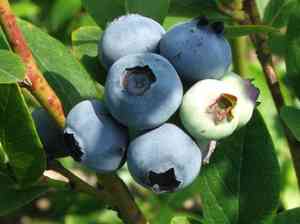
Ione manzanita flourishes when relocated during the ideal period from mid to late spring or the beginning of early summer. Select a bright, adequately drained site with slightly acidic soil. Guarantee ample air movement to encourage robust development.
Essential Preparations Before Relocating Ione Manzanita
Optimal Period for Moving Ione Manzanita?
Ione manzanita, a perennial species, thrives best when moved in the middle to end of spring or early summer. This timing guarantees ideal soil warmth and hydration, fostering robust root development. Relocating during this window helps the plant adapt before the rigors of intense summer heat. Correct timing ensures vigorous growth and longevity.
Recommended Spacing Between Ione Manzanita Specimens?
Ensure each ione manzanita plant is positioned 3-6 feet (0.9-1.8 meters) apart to allow ample room for expansion and adequate air circulation. This not only promotes healthy specimens but also minimizes the risk of disease.
Ideal Soil Blend for Ione Manzanita Relocation?
Prepare a well-draining, sandy or loamy soil with a pH ranging from neutral to slightly acidic. Incorporate a foundational fertilizer such as compost or a balanced slow-release product to supply vital nutrients as ione manzanita establishes itself.
Preferred New Location for Your Ione Manzanita?
Choose a sunny spot for transplanting ione manzanita. They flourish in full sun, meaning at least 6-8 hours of direct sunlight daily. This guarantees vigorous development and a thriving plant.
Tools Required Before Relocating Ione Manzanita?
Gardening Gloves
To safeguard your hands while handling soil and the plant.
Shovel or Spade
For excavating and shifting earth.
Pruning Shears
To trim any damaged roots or stems.
Watering Can or Hose
To thoroughly hydrate the plant before and after its move.
Trowel
Useful for precise digging and working around the root mass.
Mulch
To aid in retaining soil moisture post-transplant.
Wheelbarrow (optional)
For transporting the plant if it is large or heavy.
Method for Extracting Ione Manzanita from its Current Location?
Method for Extracting Ione Manzanita from its Current Location?
From Ground: First, moisten the ione manzanita plant to dampen the surrounding soil. Next, excavate a wide trench around the plant using a shovel or spade, ensuring the plant's root ball remains intact. Carefully work the spade beneath the root ball to lift the plant from its original spot.From Pot: Thoroughly water the ione manzanita plant. Gently tap the sides and bottom of the container to loosen the soil. Turn the pot on its side and carefully slide the plant out, supporting the base to prevent root damage.From Seedling Tray: Dampen the soil around the young plants. Use a trowel to gently lift the seedlings from the tray, taking care to keep the root ball intact. Handle each seedling by its leaves, not the stem, to avoid harm.
Detailed Steps for Relocating Ione Manzanita
Preparation
Ensure the new site for your ione manzanita is well-prepared with loose, well-draining soil. Confirm the hole is sufficiently wide and deep to accommodate the plant's root ball.
Removal
Follow the appropriate method for your initial planting situation (ground, pot, seedling tray) to carefully extract the ione manzanita.
Inspection
Examine the root ball for any compromised or diseased roots and trim them with pruning shears if necessary. Healthy roots should appear whitish and firm.
Positioning
Place the ione manzanita into the new hole at the identical depth it was previously growing. Ensure the top of the root ball is flush with the surrounding soil.
Backfilling
Fill the hole with soil, gently pressing around the root ball to eliminate air pockets. Avoid over-compacting the soil.
Watering
Thoroughly water the plant immediately after transplanting to help settle the soil and aid the plant's adjustment.
Post-Transplant Care for Ione Manzanita?
Watering
Keep the soil around the ione manzanita consistently moist, but not waterlogged, for the initial weeks after transplanting to aid in strong root establishment.
Mulching
Apply a layer of mulch around the plant's base to retain moisture and regulate soil temperature.
Monitoring
Regularly check for indicators of stress such as wilting or yellowing foliage and address any issues promptly.
Addressing Common Issues During Ione Manzanita Relocation.
When is the optimal time to move ione manzanita?
Relocate ione manzanita during mid to late spring or early summer for the best outcomes.
What is the recommended spacing for ione manzanita?
Position ione manzanita plants 3-6 feet (0.9-1.8 meters) apart to ensure proper development.
How deep should the hole be for ione manzanita?
Excavate a hole twice the width of the root ball and of equal depth.
What soil type is best for ione manzanita?
Ione manzanita prefers well-drained, acidic soil with a sandy or loamy consistency.
How frequently should ione manzanita be watered after transplanting?
Water thoroughly after transplanting, then maintain moisture but prevent waterlogging.
Should I use mulch around ione manzanita after transplanting?
Yes, applying mulch helps retain moisture and control weeds around ione manzanita.
Does ione manzanita require fertilization after transplanting?
Ione manzanita generally doesnât need fertilization; prioritize soil quality and proper watering.
How can I prevent transplant shock in ione manzanita?
Minimize root disturbance and water adequately to prevent transplant shock in ione manzanita.
Is it necessary to prune ione manzanita during transplanting?
Pruning is not essential during transplanting but can assist in shaping the plant.
What should I do if ione manzanita shows signs of stress after transplanting?
Ensure proper watering, check soil conditions, and provide partial shade to aid recovery from stress.



