Ione manzanita (Arctostaphylos myrtifolia)
Also known as: Ione Manzanita
The Ione manzanita (Arctostaphylos myrtifolia) is an endangered evergreen shrub facing significant threats in its natural habitat. It relies on periodic wildfires for successful propagation, which are increasingly suppressed. Additionally, the plant is severely impacted by two fungal diseases, which have decimated numerous populations in its native region of the Sierra Nevada foothills in California.
In This Article
Attributes of Ione manzanita
Lifespan
Perennial
Plant Type
Shrub
Plant Height
3 to 6 feet (0.9 to 1.8 meters)
Spread
3 to 5 feet (0.9 to 1.5 meters)
Leaf Color
Glossy green
Flower Size
0.25 to 0.5 inches (0.6 to 1.3 cm)
Flower Color
White to pale pink
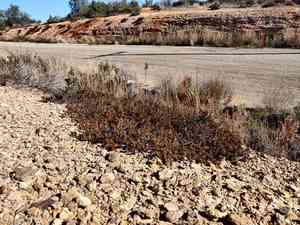
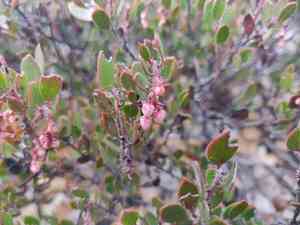
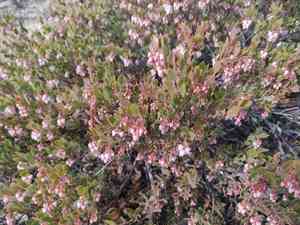
Images of Ione manzanita
Quickly Identify Ione manzanita
1
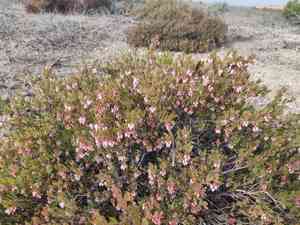
Arctostaphylos myrtifolia can be identified by its small, round, glossy green leaves that resemble myrtle, and its smooth reddish-brown bark. The flowers are white to pale pink and urn-shaped, typical of manzanitas.
Scientific Classification of Ione manzanita
Phylum
Vascular plants
Class
Dicotyledons
Order
Ericales
Family
Heath
Genus
Arctostaphylos
Species
Ione manzanita
Planting and Growing of Ione manzanita
Care Difficulty
Moderate
Watering Schedule
Every 3 days
Sunlight Requirements
Full sun
Sunshine Duration
4-8 hours
Ideal Temperature
55-75℉
Soil Type
Potting Mix, Peat Mix
Soil pH
6-7.5
Fertilizer Type
Balanced
Pruning Season
Spring, Summer
Pruning Area
Branches, Leaves
Pruning Frequency
2 times a year
Repotting Season
Spring
Pot Type
Plastic, Terracotta
 How to Water Ione manzanita?
Arctostaphylos myrtifolia thrives with a careful watering regime. It prefers about 500 ml of water per session, enough to moisten the upper soil layers but avoiding waterlogging. This ensures that the roots can breathe and absorb the necessary moisture without drowning.
What are the symptoms of an underwatered Ione manzanita?
›
What should I do if my Ione manzanita is not getting enough water?
›
What are the symptoms of an overwatered Ione manzanita?
›
How to save an overwatered Ione manzanita?
›
 What Are the Sunlight Requirements for Ione manzanita?
Partial to full sun is ideal. Proper light exposure ensures robust growth, enhances foliage color, and supports overall plant health and blooming potential.
What is the ideal placement for Arctostaphylos myrtifolia?
›
How can I adjust the environment to suit its lighting needs?
›
What are the advantages of providing optimal light to this plant?
›
 What Is the Ideal Temperature Range for Ione manzanita?
The ideal temperature range for Arctostaphylos myrtifolia is between 55°F and 75°F. This range provides the most favorable conditions for photosynthesis and growth, allowing the plant to thrive and develop healthy foliage.
 What Soil is Best for Ione manzanita?
Arctostaphylos myrtifolia thrives in well-drained soils that prevent water stagnation, ensuring the roots remain healthy and free from rot. This type of soil promotes optimal growth and flowering by providing appropriate aeration and moisture levels. While this plant is not overly demanding in terms of nutrients, maintaining moderate nutrient levels in the soil supports robust growth. Balanced fertilization helps sustain foliage richness and enhances the plant’s overall vitality. Incorporating organic matter into the soil enhances its structure and fertility. This helps retain moisture and provides essential nutrients, which are crucial for the healthy development of Arctostaphylos myrtifolia.
 How to Fertilize Ione manzanita?
For Arctostaphylos myrtifolia, it's advisable to use a balanced fertilizer with an NPK ratio of 10-10-10. Use about 1 tablespoon per plant for slow-release fertilizers, and dilute liquid fertilizers to half the recommended strength.
 How to Prune Ione manzanita?
Keep pruning minimal to prevent undue stress on Arctostaphylos myrtifolia. Over-pruning can reduce flowering and new growth, impacting the plant's overall health. This plant can be home to various wildlife, so check for any nests or habitats before pruning. Ensure minimal disturbance to maintain ecological balance in your garden.
More About Pruning Techniques→
 How to Propagate Ione manzanita plant?
1
Select healthy, non-flowering shoots from the current year's growth. Use sterilized pruning shears to cut sections about 4-6 inches long, ensuring each cutting has at least a few leaf nodes. Strip the leaves from the lower half to prevent rot and facilitate rooting.
2
Dip the cut end of each cutting into a rooting hormone to enhance root growth. Follow the manufacturer’s instructions for the appropriate amount and application method. Gently tap off any excess powder to avoid clumping.
3
Plant the treated cuttings into a well-draining potting mix in small pots or trays. Water lightly, ensuring the soil is evenly moist but not waterlogged. Place the pots in a warm, bright location but shield them from direct sunlight which can scorch the tender cuttings.
 How to Repot Ione manzanita plant?
1
Arctostaphylos myrtifolia should be repotted when you notice roots coming out of the drainage holes or if you see that the soil is no longer retaining moisture effectively. These signals indicate that the plant has outgrown its current pot and requires a new one to continue thriving.
2
Select a pot that is about 1-2 inches larger in diameter than the current pot. Ensure that it has good drainage holes to prevent waterlogging, which can severely affect the plant's health. The right pot will provide enough space for root expansion while promoting healthy growth.
3
Opt for a well-draining sandy soil mix to mimic the plant’s natural habitat. This type of soil ensures that the roots do not sit in water, reducing the risk of root rot and promoting a healthy rooting system, thus ensuring proper nutrient uptake.



