How to Prune Ione manzanita?
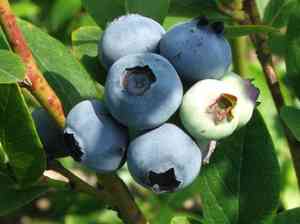
Ione manzanita is a unique evergreen bush recognized for its thick leaves and appealing reddish bark. Trimming ought to occur in early spring to encourage robust development and eliminate deceased or ailing limbs. Concentrate on reducing congested sections to enhance air movement. Refrain from severe pruning since ione manzanita can be delicate; gentle shaping is usually adequate. Consistent pruning boosts its visual charm and averts potential health problems.
What Are the Benefits of Pruning Ione Manzanita?
What Are the Benefits of Pruning Ione Manzanita?
Ione manzanita thrives with pruning, exhibiting more vigorous growth and maintaining its form. Regular trimming encourages healthy development, enhances its natural shape, deters pests and diseases, and keeps the plant size manageable, thus improving its overall look.
What Is the Best Time for Pruning Ione Manzanita?
What Is the Best Time for Pruning Ione Manzanita?
Pruning ione manzanita in early spring is optimal as it allows for rapid healing and promotes strong new growth. This timing precedes the main growing season, enabling the plant to recover and produce healthy shoots. Pruning after the last frost but before significant new growth begins also reduces the risk of frost damage and ensures the plant's energy is effectively directed towards new development. Additionally, early spring pruning aids in shaping the plant and reducing disease by improving air circulation.
What Tools Do I Need to Prune Ione Manzanita?
Hand Pruners
Ideal for precise cuts on smaller branches to encourage robust new growth and maintain the plant's inherent shape.
Loppers
Perfect for cutting thicker branches that hand pruners cannot handle, ensuring clean cuts to prevent plant damage.
Pruning Saw
Useful for removing larger, older branches without causing undue harm to the plant, thereby fostering better air circulation and light penetration.
Bypass Pruners
Best for clean, close cuts on living wood, helping to avoid crushing plant tissue and ensuring quick recovery.
How to Prune Ione Manzanita
Inspect
Examine ione manzanita for any diseased, withered, or dead branches and leaves. Identify areas needing attention to target only problematic parts.
Remove diseased parts
Using sanitized pruning shears, carefully cut away any diseased leaves and branches. Make clean cuts well below affected areas to prevent disease spread.
Remove withered leaves
Trim away any withered leaves. Focus on removing these to improve airflow and light penetration within the plant.
Cut dead branches
Identify and cut off dead branches using a saw or larger pruning shears if necessary. Make the cut close to the main stem to avoid leaving stubs that can harbor pests or diseases.
Disposal
Dispose of all removed plant material far from ione manzanita to prevent diseases or pests from returning. Use a sealed bag for containment.
Common Pruning Mistakes with Ione Manzanita
Over-pruning
Removing too many branches at once can stress ione manzanita, leading to poor growth or even plant death. It's crucial to prune sparingly.
Incorrect technique
Using dull or improper tools can cause jagged cuts, which are susceptible to disease and pests. Always use sharp, clean pruning shears.
Topping
Cutting off the tops of ione manzanita can result in unattractive, stubby growth. Instead, focus on thinning and shaping the plant.
Pruning at the wrong time
While the best season for pruning is excluded, pruning during peak growth periods can remove young buds and flowers, affecting bloom.
Common Pruning Tips for Ione Manzanita
Use sharp tools
Ensure pruning tools are sharp and sterilized to make clean cuts and reduce disease risk.
Thinning cuts
Focus on removing entire branches or stems at their origin rather than just snipping tips. This promotes better airflow and light penetration.
Remove dead or diseased wood
Prioritize cutting away any dead, damaged, or diseased branches to maintain plant health and prevent pathogen spread.
Shape gradually
When shaping ione manzanita, do so incrementally over several seasons rather than attempting to achieve the desired form in one go. This approach minimizes stress and promotes sturdy growth.
Monitor plant response
After pruning, observe ione manzanita for any signs of stress or disease. Adjust your pruning strategy based on the plant's reaction.



