How to Transplant Garden rockcress?
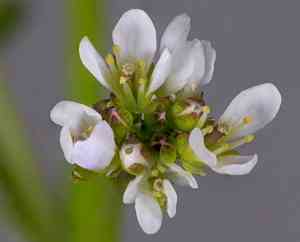
Relocating garden rockcress flourishes when exposed to spring sunlight and early summer breezes, facilitating robust root development. Select a bright location with soil that drains effectively. Should it be necessary, arrange multiple plants with adequate spacing to avoid congestion and encourage peak growth.
Preparations Required Before Relocating Garden Rockcress?
Optimal Period for Moving Garden Rockcress?
The perfect time to move your garden rockcress is at the start of the gardening season, once the last frost has passed and new growth begins. Moving your garden rockcress then allows them to settle in cool, yet warming soil, providing ample opportunity for roots to strengthen before summer's full intensity. A helpful tip: transplanting within this timeframe ensures your garden rockcress maximizes the season's growth potential.
Recommended Spacing Between Garden Rockcress Plants?
Allow your garden rockcress ample room to expand by placing them at least 12 inches (30 cm) apart, extending up to 3 feet (91 cm) if space permits. This spacing enables each plant to thrive without competing for essential resources.
Best Soil Mixture for Garden Rockcress Relocation?
For your garden rockcress, select a location with soil that drains well, and incorporate some compost or a balanced slow-release fertilizer to give it a strong start. This will aid the roots in establishing themselves in their new environment.
Where to Replant Your Garden Rockcress?
Choose a sunny spot that gets at least 6 hours of direct sunlight daily for your garden rockcress. A partially shaded area can also work, but full sun is where your garden rockcress will flourish most effectively.
Equipment to Prepare Before Transplanting Garden Rockcress?
Gardening Gloves
To safeguard your hands while handling soil and plants.
Trowel
For excavating small holes and moving young plants.
Shovel or Spade
For extracting the plant from its original spot if it's in the ground.
Watering Can or Hose
To hydrate the garden rockcress before and after its relocation.
Pruning Shears
To trim any damaged roots or foliage prior to transplanting.
Garden Fork
To loosen the soil surrounding the plant, facilitating the removal of an intact root ball.
Wheelbarrow or Garden Cart
For transporting the garden rockcress and soil if needed.
Mulch
To apply around the base of the garden rockcress post-transplant to help retain moisture.
Root Stimulator (optional)
To encourage new root development after the move.
How to Extract Garden Rockcress from the Soil?
How to Extract Garden Rockcress from the Soil?
From Ground: First, moisten the garden rockcress plant's soil with water. Next, use a shovel or spade to dig a wide trench around the plant, ensuring the root ball remains whole. Carefully work the spade beneath the root ball to lift the plant from its initial position.From Pot: Start by watering the garden rockcress to help the roots detach from the pot. Tilt the pot sideways and gently tap its sides and bottom to loosen the soil. Slowly and carefully pull the plant out by the stem's base, supporting the root ball.From Seedling Tray: Water the tray to dampen the soil. Use a trowel or your fingers to gently lift each seedling by its leaves, avoiding harm to the delicate stem. Be careful to preserve as much of the root system and soil as possible.
Detailed Steps for Transplanting Garden Rockcress
Preparation
Ready the new planting site by clearing debris and loosening the soil with a garden fork.
Hole Digging
Excavate a hole twice as wide and of equal depth to the garden rockcress's root ball.
Root Inspection
Examine the root ball and use pruning shears to remove any damaged or circling roots.
Placement
Position the garden rockcress in the center of the hole, ensuring it sits at the same depth as before.
Soil Filling
Backfill the hole with soil, gently firming it around the roots to eliminate air pockets.
Watering
Thoroughly water the garden rockcress to settle the soil and hydrate its roots.
Mulching
Apply a layer of mulch around the base of the garden rockcress, keeping it away from the stem, to maintain soil moisture.
Root Stimulator (optional)
Apply root stimulator as per product directions to promote root growth.
Post-Transplant Care for Garden Rockcress?
Monitoring
Closely observe the garden rockcress for indications of stress, such as wilting or discolored leaves, and address issues promptly.
Settling Support
Provide support, like stakes, if the garden rockcress appears unstable in its new spot.
Regular Watering
Ensure the soil stays consistently moist, especially during dry periods, to support new root development.
Observing Growth
Watch the garden rockcress for new growth, which signals successful transplanting and establishment.
Limiting Fertilization
Avoid fertilizing immediately after transplanting to prevent root burn; wait until active growth commences.
Resolving Common Issues with Garden Rockcress Transplantation.
What is the recommended spacing for garden rockcress when transplanting?
Space garden rockcress appropriately, ideally 12 inches (30 cm) to 3 feet (91 cm) apart, allowing ample room for growth.
When is the best time of year to transplant garden rockcress?
Relocate garden rockcress during the prime period of early to late spring, when the soil is workable and warm.
How should I prepare the soil for garden rockcress transplantation?
Improve the soil with compost or well-rotted manure, ensuring it is well-drained and fertile for garden rockcress's roots.
What depth should the new planting hole be for garden rockcress?
Dig a hole slightly larger than garden rockcress's root ball, generally about the same depth it was growing previously.
How much water should I give garden rockcress after transplanting?
Water garden rockcress generously right after transplanting to help settle the soil and remove air pockets around the roots.
Is it necessary to prune garden rockcress before transplanting?
Light pruning is beneficial. Remove dead or damaged foliage to help garden rockcress establish more effectively.
Why is garden rockcress wilting after transplanting?
Wilting can indicate shock or insufficient water. Ensure proper watering and that roots are not damaged or overcrowded.
Is it essential to fertilize garden rockcress when transplanting?
Wait 4-6 weeks before fertilizing to avoid burning new roots. Initially, focus on proper watering and soil preparation.
Can garden rockcress be transplanted on a hot day?
It's best to transplant garden rockcress on a cooler, cloudy day to reduce transplant stress and evaporation.
How to protect garden rockcress after transplantation?
Mulch around garden rockcress to conserve moisture, regulate soil temperature, and prevent weeds. Avoid piling mulch against the stem.



