How to Prune Garden rockcress?
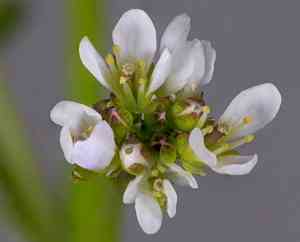
A perennial herbaceous species, garden rockcress flourishes with consistent trimming to preserve its form and stimulate robust development. Swiftly remove spent blossoms to foster additional flowering and prolong the blooming season. Removing withered flowers after the initial spring bloom can lead to a subsequent, though less abundant, wave of flowers. Lightly cut back in late summer to preserve its dense habit, but refrain from extensive pruning as garden rockcress transitions into dormancy during autumn. Regular trimming also deters self-propagation and potential spread.
Advantages of Trimming Garden Rockcress
Advantages of Trimming Garden Rockcress
Trimming garden rockcress promotes robust development and preserves its desired form. It stimulates fresh leaves and can result in denser, fuller plants, enhancing their overall garden appearance.
Optimal Period for Trimming Garden Rockcress
Optimal Period for Trimming Garden Rockcress
Trimming garden rockcress in late spring is ideal for removing any dead or damaged foliage from winter and shaping the plant as it begins active growth. Early autumn trimming is beneficial for removing faded blooms and encouraging a neat shape, while ensuring the plant has sufficient time to recover before winter's arrival. These periods align with garden rockcress's growth cycle, preventing the stress that pruning during flowering or extreme weather can cause.
Necessary Tools for Trimming Garden Rockcress
Bypass Pruners
Garden rockcress typically possesses small, delicate stems that do not necessitate heavy-duty trimming implements. Bypass pruners will enable precise cuts that mend rapidly without undue harm to the plant.
Sharp Scissors
For smaller or more intricate tasks, such as deadheading or shaping garden rockcress, sharp scissors can offer greater control and minimize damage to the tender stems and foliage.
Hand Shears
If garden rockcress is cultivated in clusters, hand shears can be utilized to uniformly trim the plants. This can foster a bushier growth habit and maintain the desired shape.
Gloves
While not a cutting instrument, gloves are crucial for safeguarding the gardener's hands from scratches and ensuring a secure trimming process.
How to Trim Garden Rockcress
Identify and prepare
Pinpoint the diseased, withered, and dead sections of garden rockcress that require attention. Ensure you have clean, sharp pruning shears or scissors before commencing.
Sanitize tools
Prior to trimming, disinfect the shears or scissors with a solution of one part bleach to nine parts water to prevent the spread of disease.
Remove diseased leaves
Carefully snip away any diseased leaves from garden rockcress, cutting at the base of the leaf stem. Dispose of these leaves in a manner that won't propagate disease, such as bagging and discarding rather than composting.
Prune dead material
Trim the withered leaves and dead branches by cutting them back to a healthy section. For the branches, cut just above a leaf node or bud to encourage new growth.
Trim diseased branches
Carefully remove any diseased branches by cutting at least several inches into healthy tissue to ensure the disease is entirely eliminated. Seal the cuts with pruning sealant to protect against infections.
Common Trimming Errors with Garden Rockcress
Over-trimming
A frequent mistake is removing too much foliage at once, which can stress garden rockcress and hinder its capacity to recover and bloom. Aim to trim no more than one-third of the plant in a single session.
Incorrect cut placement
Cutting too far from a bud can result in dead stubs that might attract disease. Make cuts close to a bud without harming it to promote healthy regrowth.
Neglecting diseased material
Failing to remove diseased or damaged stems during trimming can allow infections to persist and spread throughout garden rockcress, jeopardizing its health and vigor.
Ignoring tool hygiene
Using unclean trimming tools can introduce pathogens to fresh cuts. Always clean tools before trimming garden rockcress to minimize the risk of disease transmission.
Disregarding plant form
Improperly shaping garden rockcress can lead to an aesthetically unappealing plant. Understand the natural form of garden rockcress and aim to maintain it while trimming.
General Trimming Advice for Garden Rockcress
Selective trimming
Concentrate on thinning out congested areas to enhance air circulation and light penetration. This will support the overall health and flowering of garden rockcress.
Post-bloom trimming
Remove spent flowers to encourage reblooming and prevent garden rockcress from allocating energy to seed production instead of foliage and root growth.
Gradual rejuvenation
For older garden rockcress plants, implement gradual rejuvenation trimming over several years rather than cutting back severely all at once. This encourages new growth without shocking the plant.
Trimming for shape
Trim garden rockcress carefully to maintain its natural mound shape, which enhances its ornamental appeal. Take time to assess the plant's form before making cuts.
Tool choice
Utilize sharp, clean bypass pruners or scissors for trimming garden rockcress. This will ensure a clean cut that heals quickly and is less likely to be affected by pathogens.



