The Garden rockcress Plant Advantage: Maximizing Home and Office Appeal and Wellness
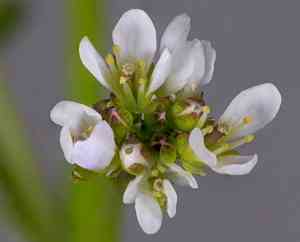
1
Aubrieta, a adaptable plant, flourishes in rockeries and sloped areas.
2
Its aromatic blossoms draw in helpful pollinators.
3
Aubrieta needs little upkeep, making it ideal for effortless gardening.
Why Select Garden Rockcress for Your Outdoor Space?
Minimal Upkeep Requirements
Garden rockcress is well-known for its undemanding nature. Unlike many garden flora, it's resilient and doesn't demand frequent watering or fertilization. This makes it a perfect option for busy gardeners or those new to plant care. Its capacity to flourish in poor soil without much attention is a significant benefit, freeing up your time and energy for other gardening tasks.
Consistent Aesthetic Appeal Throughout the Year
Garden rockcress enhances any garden's look with its striking foliage and delicate blooms. Its evergreen characteristic ensures your garden stays lush and vibrant all year. The plant flowers in early spring, producing clusters of fragrant, white blossoms that can brighten any area. Its ability to retain leaves during winter also gives your garden a fresh appearance even in the coldest season.
How Can Garden Rockcress Benefit Garden Ecosystems?
Attracting Beneficial Pollinators
One of the most notable advantages of cultivating Garden rockcress is its ability to draw in beneficial pollinators like bees and butterflies. The fragrant flowers offer a valuable nectar source, supporting the local ecosystem by helping pollinators thrive. This not only benefits the plant itself but also aids the overall health of your garden by promoting the growth of other plants through natural pollination processes.
Preventing Soil Erosion
Garden rockcress possesses an extensive root system that plays a crucial role in soil preservation. When planted on slopes or banks, it helps prevent soil erosion by stabilizing the ground with its strong roots. This not only maintains the structure and health of your garden but also combats the destructive effects of erosion caused by water runoff and wind.
Practical Applications of Garden Rockcress in Garden Landscaping
Ideal for Rock Gardens and Borders
Due to its robust nature and attractive appearance, Garden rockcress is a popular choice for rock gardens and borders. Its low-growing habit makes it perfect for filling gaps between rocks and adding texture to garden edges. The plant's ability to withstand various weather conditions means it can thrive where other plants may struggle, making it a reliable option for landscaping challenging areas.
Ground Cover and Weed Suppression
Garden rockcress serves as an excellent ground cover, forming a dense mat that inhibits weed growth. This reduces the need for chemical herbicides and minimizes the effort required to keep your garden weed-free. By covering the soil surface, Garden rockcress prevents the germination of weed seeds, maintaining the visual appeal and health of your garden without the need for constant upkeep.
What Are the Best Practices for Cultivating Garden Rockcress?
Optimal Growing Conditions
To achieve the best results from Garden rockcress, it's essential to plant it in optimal conditions. The plant thrives in well-drained soil, ideally with a sandy or gritty texture that mimics its natural habitat. While it prefers full sun, it can also tolerate partial shade, making it versatile for various garden environments. Ensuring good air circulation and avoiding overly damp areas will help prevent potential fungal issues.
Propagation Methods
Garden rockcress can be easily propagated through seed sowing or division. Seeds should be sown in late spring or early autumn, in moist but well-drained soil. For division, it's best to do so in the spring when new growth begins, ensuring that each divided section has adequate roots and shoots to establish itself successfully. This allows for quick colonization of multiple areas within your garden.



