How to Transplant Colorado blue columbine?
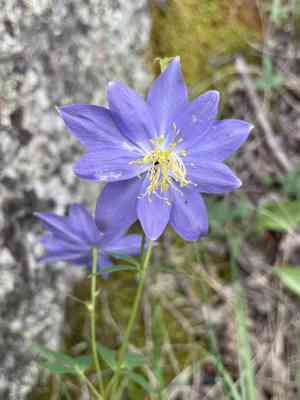
The most favorable period for relocating Colorado blue columbine is at the beginning of spring, allowing for a smooth adjustment. Choose a shaded location featuring damp, adequately draining earth. Should it be required, amend the soil with compost to foster vigorous development.
What Preparations are Needed Before Transplanting Colorado Blue Columbine?
What is the Ideal Time for Transplanting Colorado Blue Columbine?
The best time to move colorado blue columbine is when the earth reawakens, specifically in early to mid-spring. This period offers a perfect balance of cool temperatures and sufficient moisture, giving colorado blue columbine a strong start in its new spot. By establishing roots in spring's mild conditions, colorado blue columbine has the best chance for vigorous growth and robust health, setting the stage for a beautiful floral display as the season progresses. This timing also allows colorado blue columbine to adapt before the stress of summer heat, ensuring a smooth transition and a thriving garden presence.
How Much Space Should You Leave Between Colorado Blue Columbine Plants?
Step 1: Proper spacing is crucial for colorado blue columbine's development. For optimal spread and mature size, aim to position each colorado blue columbine approximately 1-1.5 feet (30-45 cm) apart. This provides ample room for the plants to grow and flourish without becoming overcrowded.
What is the Best Soil Mix for Colorado Blue Columbine Transplanting?
Step 2: Prepare the soil for colorado blue columbine by aiming for well-drained, loamy or sandy soil. Improve your soil with compost or a balanced slow-release fertilizer before planting to supply the nutrients colorado blue columbine requires.
Where Should You Relocate Your Colorado Blue Columbine?
Step 3: colorado blue columbine thrives in partial sun to light shade. Select a location that receives morning sunlight but is shaded during the hot afternoon. This balance will protect your colorado blue columbine from potential sun damage while ensuring it gets enough light to grow.
What Equipments Should You Prepare Before Transplantation Colorado Blue Columbine?
Gardening gloves
To shield your hands from dirt and potential thorns.
Shovel or Garden Spade
To carefully excavate the plant from its original spot.
Pot, if removing from one
To securely hold and transport the plant.
Gardening Fork
To loosen the soil around the roots when taking it from a seedling tray.
Wheelbarrow
To move the plant easily and safely to its new location.
Watering Can
To hydrate the colorado blue columbine plant before and after relocation.
Mulch
To safeguard the plant and maintain moisture post-transplanting.
How Do You Remove Colorado Blue Columbine from the Soil?
How Do You Remove Colorado Blue Columbine from the Soil?
From Ground: Start by watering the colorado blue columbine plant. This will moisten the soil, making removal easier. Using a shovel or spade, dig a wide circle around the plant, being careful not to harm the roots. Slowly and gently lift the plant, ensuring the root ball stays intact.From Pot: Begin by watering the colorado blue columbine plant. Then, lay the pot on its side and carefully slide the plant out. If it's stuck, avoid pulling the stem. Instead, tap the pot's sides to loosen it.From Seedling Tray: Water the colorado blue columbine plant first. Use a gardening fork to gently loosen the soil around the roots. Then, carefully lift the seedling by its leaves, not the stem, and remove it.
Step-by-Step Guide for Transplanting Colorado Blue Columbine
Prepare New Location
Once you've chosen a spot, prepare it by digging a hole twice as wide and just as deep as the colorado blue columbine plant's root ball.
Water the Hole
Fill the hole with a small amount of water to prepare the soil for the colorado blue columbine plant's roots.
Place the Plant
Position the colorado blue columbine plant's root ball in the hole. The top of the root ball should be level with the ground surface.
Backfill the Hole
Fill the hole with soil, preventing any air pockets from forming. Gently firm down the soil around the base of the colorado blue columbine plant.
Water Again
Water the plant thoroughly after planting, saturating the soil completely.
How Do You Care For Colorado Blue Columbine After Transplanting?
Watering
Keep the soil around the colorado blue columbine plant consistently moist, but not waterlogged, for the initial few weeks to help the plant develop strong roots.
Mulching
Apply a layer of mulch around the base of the colorado blue columbine plant to help retain moisture and protect it from weeds.
Protection
Shield the transplanted colorado blue columbine plant from harsh weather and pests until it shows new growth, indicating it has fully adapted to its new location.
Monitoring
Regularly check the plant's health. Yellowing leaves might signal stress from the transplant process. If you notice such signs, provide additional care as needed.
Troubleshooting Common Issues with Colorado Blue Columbine Transplantation.
What makes the perfect time for transplanting colorado blue columbine?
The ideal time to transplant colorado blue columbine is during the spring-to-summer transition, as this offers a favorable environment for growth.
How much space do I need between my colorado blue columbine when transplanting?
When transplanting colorado blue columbine, ensure adequate room by placing them 1-1.5 feet (30-45 cm) apart. This allows them to grow without competition.
What should be the depth of the hole during colorado blue columbine transplantation?
Dig a hole twice the size of the root ball but no deeper. This encourages easy root penetration and quick establishment.
Do I need to water colorado blue columbine immediately after transplanting?
Yes, water colorado blue columbine right after transplanting; this reduces transplant shock, helping the plant settle into its new location.
Why is my transplanted colorado blue columbine wilting or drooping?
Colorado blue columbine may wilt after transplant due to transplant shock. Ensure consistent watering to help the plant adjust.
Do I need to apply any special fertilizer when transplanting colorado blue columbine?
A slow-release fertilizer is perfect for supplying essential nutrients for growth immediately after transplanting colorado blue columbine.
What is the ideal soil type for transplanting colorado blue columbine?
Colorado blue columbine prefers well-draining soil. Enriched with organic matter, it promotes root development and nutrient absorption.
Why does my newly transplanted colorado blue columbine seem stunted?
Poor root development or nutrient deficiency can hinder growth. Ensure the soil is rich and water regularly without waterlogging.
How long does it take for colorado blue columbine to get established after transplanting?
Under optimal conditions, colorado blue columbine should establish within a few weeks after transplant. Consistent care speeds up this process.
Should I prune my colorado blue columbine after transplant?
Pruning is not necessary immediately after transplanting colorado blue columbine. Allow it time to settle into its new location first.



