How to Prune Colorado blue columbine?
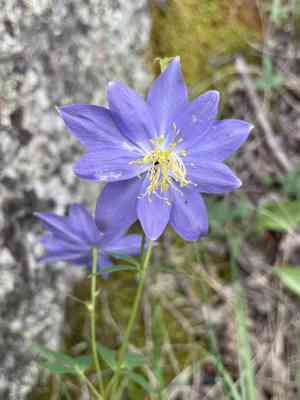
This enduring plant, recognized for its unique spur-shaped blossoms and adaptable stature, flourishes with proper trimming. For colorado blue columbine, removing faded flowers stimulates additional blooming, while trimming back leaves after flowering, usually from late summer into autumn, prevents illnesses. Trimming should coincide with periods of vigorous development in spring to early summer and following the blooming phase. Although colorado blue columbine seldom needs extensive pruning, performing it can revitalize the plant, foster robust development, and control its dimensions. Pruning is most effective during cooler weather to minimize strain on colorado blue columbine.
What Are the Benefits of Pruning Colorado Blue Columbine?
What Are the Benefits of Pruning Colorado Blue Columbine?
Trimming colorado blue columbine promotes abundant flowering, supports robust development, and helps maintain a desired form. Strategic cuts enhance plant vitality and beauty by removing faded blooms and shaping the foliage.
What Is the Best Time for Pruning Colorado Blue Columbine?
What Is the Best Time for Pruning Colorado Blue Columbine?
Pruning colorado blue columbine in late spring allows for the removal of dead or damaged foliage from winter, without affecting new growth. Early summer is ideal for deadheading after the first bloom to encourage a second flowering. Early fall pruning involves cutting back the foliage after it has faded, which helps to prevent diseases and prepare colorado blue columbine for winter dormancy. These seasons ensure the health of colorado blue columbine and promote robust flowering in the following season.
What Tools Do I Need to Prune Colorado Blue Columbine?
Hand Pruners
Perfect for making precise cuts on colorado blue columbine's stems, as the plant isn't overly woody and needs an accurate cutting tool to remove spent flowers or damaged stems.
Garden Scissors
Appropriate for snipping delicate stems of colorado blue columbine, useful for deadheading or minor shaping without harming the plant.
Pruning Snips
Optimal for reaching into dense foliage of colorado blue columbine without damaging nearby stems or flowers, offering control for thinning or seed collection.
Gloves
Protects hands from sharp edges while pruning colorado blue columbine, also guarding against skin irritation from plant sap or soil-borne pathogens.
How to Prune Colorado Blue Columbine
Disinfect Tools
Before beginning to prune colorado blue columbine, ensure all pruning implements are clean and sanitized to prevent the spread of illness.
Remove Diseased Leaves
Carefully inspect colorado blue columbine for any indications of disease in the foliage. Using your pruning shears, snip off any diseased leaves at their base, avoiding contact with healthy parts of the plant to prevent contamination.
Trim Withered Leaves
Identify withered or dead leaves on colorado blue columbine and cut these off at the base to promote healthy growth and improve air circulation. Make your cuts as close to the main stem as possible without damaging it.
Deadhead Flowers
Locate withered flowers on colorado blue columbine and snip them off just above the first set of leaves below the flower to encourage reblooming and prevent self-seeding if not desired.
Clean Up
After pruning colorado blue columbine, remove all pruned material from around the base of the plant to discourage pests and diseases from taking up residence in the debris.
Common Pruning Mistakes with Colorado Blue Columbine
Over-Pruning
Cutting back colorado blue columbine too severely can stress the plant, resulting in poor or stunted growth. Colorado blue columbine benefits from a lighter touch to maintain its natural shape and vitality.
Pruning At The Wrong Time
Removing healthy foliage or flowers during peak growth can reduce the overall bloom display and vigor. Appropriate timing is essential to avoid interrupting colorado blue columbine's natural growth cycle.
Using Unclean Tools
Pruning colorado blue columbine with dirty or contaminated tools can introduce diseases. Always use disinfected and sharp cutting implements.
Ignoring Dead Or Diseased Stems
Failing to remove dead or diseased material can invite pests and diseases, weakening colorado blue columbine. Regular checks for problematic stems are vital.
Pruning All Stems Equally
Cutting all stems of colorado blue columbine to the same length can result in an unnatural appearance and uneven growth. Instead, selectively prune stems where necessary.
Forgetting To Deadhead
Not removing spent blooms, or deadheading, can lead to unnecessary energy expenditure on seed production rather than next season's growth.
Common Pruning Tips for Colorado Blue Columbine
Selective Pruning
Focus on removing only the damaged, diseased, or dead stems of colorado blue columbine, as this will help maintain the plantâs health and aesthetic appeal without excessive cutting.
Deadheading
After blooming, snip off the spent flowers of colorado blue columbine to encourage further blooming and a tidy plant appearance.
Shape Maintenance
Lightly prune colorado blue columbine to maintain its natural shape; avoid over-pruning which can lead to a loss of blooms and a misshapen plant.
Clean Tools
Use sharp, disinfected pruning shears to make clean cuts on colorado blue columbine for healthy growth and to prevent disease transmission.
Follow Natural Contours
When pruning colorado blue columbine, make cuts that follow the plant's natural shape, facilitating a more organic and attractive growth pattern.
Post-Bloom Care
After flowering, reduce the foliage of colorado blue columbine if it appears shaggy or overgrown, to tidy up the plant while taking care not to remove too much, which could impact the following year's growth.



