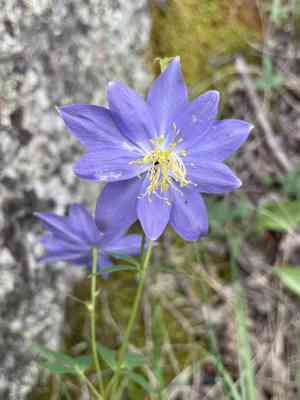
Colorado blue columbine (Aquilegia coerulea)
Also known as: Rocky mountain columbine
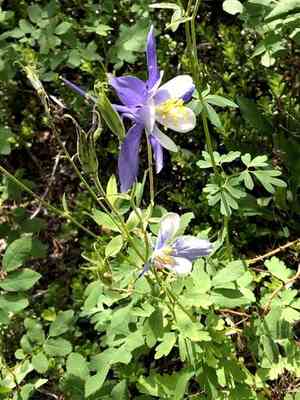
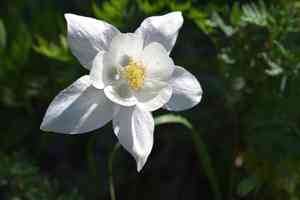
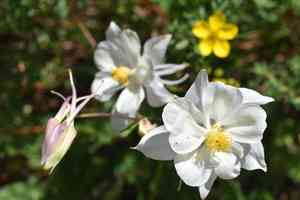
The Rocky Mountain Columbine (Aquilegia caerulea) is Colorado's state flower, first identified on Pike's Peak in 1820. This species often displays a pale blue hue, a characteristic that inspired its Latin name, caerulea. It attracts a range of pollinators, such as bees, butterflies, and hummingbirds, thanks to its striking colors and nectar.
Attributes of Colorado blue columbine
Images of Colorado blue columbine
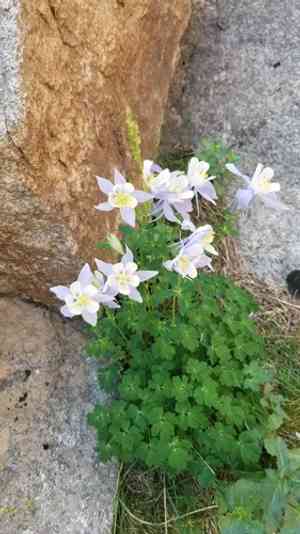
Quickly Identify Colorado blue columbine
Scientific Classification of Colorado blue columbine
Planting and Growing of Colorado blue columbine
 How to Water Colorado blue columbine?
 What Are the Sunlight Requirements for Colorado blue columbine?
 What Is the Ideal Temperature Range for Colorado blue columbine?
 What Soil is Best for Colorado blue columbine?
 How to Fertilize Colorado blue columbine?
 How to Prune Colorado blue columbine?
 How to Propagate Colorado blue columbine plant?
 How to Repot Colorado blue columbine plant?
Toxicity of Colorado blue columbine
Is Colorado blue columbine toxic to humans?
The Colorado blue columbine has not been definitively classified as a toxic plant species. Nevertheless, due to its relationship with other members of its family that are known to possess mild toxicity, it is recommended to exercise caution regarding any part of the plant. Ingestion could potentially lead to illness. Various Aquilegia species have been documented to cause symptoms ranging from mild to moderate illness, such as nausea, vomiting, diarrhea, stomach cramps, and heart palpitations when any of the plant's parts—including leaves, stems, and flowers—are consumed. This plant is predominantly found in western North America, often seen in aspen forests, at elevated altitudes in the Rocky Mountains, and alongside streams in open woodland areas.



