How to Transplant Putty root orchid?
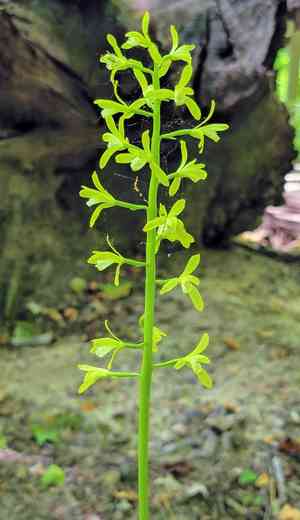
For putty root orchid, relocation flourishes when synchronized with the subtle beginnings of mid-spring to the delicate conclusion of late spring, or when autumn retrieves summer's warmth. A partially shaded location reflecting its natural forest environment will guarantee putty root orchid's success. Observe the wisdom of the forest's lower canopy during transplantation to replicate putty root orchid's favored circumstances.
What Preparations are Needed Before Transplanting Putty Root Orchid?
What is the Ideal Time for Transplanting Putty Root Orchid?
The optimal periods for relocating putty root orchid span from the awakening of late spring to the gentle start of early summer, or from autumn's arrival until it deepens. Moving putty root orchid during these times allows for root establishment in mild weather, avoiding intense summer heat or winter cold, thereby enhancing survival and growth prospects.
How Much Space Should You Leave Between Putty Root Orchid Plants?
Before introducing putty root orchid to its new location, ensure ample room for growth by maintaining a distance of less than 12 inches (30 cm) between each plant. This close proximity will foster a sense of community in their development while preserving individual space.
What is the Best Soil Mix for Putty Root Orchid Transplanting?
The perfect substrate for putty root orchid is rich, well-draining soil. Begin by incorporating a mild, balanced fertilizer into the earth. A slow-release granular fertilizer, for instance, should provide a strong foundation for our perennial companions.
Where Should You Relocate Your Putty Root Orchid?
Find a special spot that receives filtered sunlightâimagine light passing through a leafy canopy. Putty root orchid thrives in these sun-kissed yet shaded havens, mimicking the natural embrace of the forest floor where they flourish.
What Equipments Should You Prepare Before Transplantation Putty Root Orchid?
Gardening Gloves
To safeguard your hands while handling the soil and the putty root orchid.
Hand Trowel
For effortless digging and moving of the putty root orchid.
Watering Can or Hose
To hydrate the putty root orchid both before and after its relocation.
Garden Spade or Shovel
For excavating the putty root orchid from its original spot and preparing the new planting site.
Measuring Tape
To ensure correct spacing between transplanted plants and prevent overcrowding.
Garden Fork
To loosen the soil without harming the roots when extracting the putty root orchid from the ground.
Wheeled Cart or Wheelbarrow
For transporting the putty root orchid and soil amendments if required.
How Do You Remove Putty Root Orchid from the Soil?
How Do You Remove Putty Root Orchid from the Soil?
From Ground: First, moisten the putty root orchid plant to soften the soil, making root handling easier. Then, using a garden spade or shovel, carefully dig a wide circle around the plant to prevent root damage. Gently work the spade beneath the root ball and lift the putty root orchid from its initial position.From Pot: Ensure the soil is damp and gently tip the pot sideways. Tap the bottom and sides to loosen the soil and carefully slide the putty root orchid out while supporting the plant at its base.From Seedling Tray: Water the seedlings to keep the soil moist. Use a hand trowel or similar tool to gently pry the putty root orchid seedling out of the tray, taking care not to harm the delicate roots.
Step-by-Step Guide for Transplanting Putty Root Orchid
Hole Preparation
Excavate a hole in the ground that is twice the width of the root ball and as deep as the root system of the putty root orchid. Amend the removed soil with compost if necessary, but refrain from adding any extra fertilizers or soil enhancements.
Root Inspection
Prior to planting, examine the putty root orchid's roots. Trim away any broken or damaged roots using clean, sharp scissors.
Placement
Position the putty root orchid in the center of the hole at the same depth it was previously growing. Spread the roots outwards and backfill the hole with the amended soil, gently pressing down to eliminate any air pockets.
Watering
After planting, thoroughly water the putty root orchid to settle the soil around the roots and to help minimize transplant shock.
Support Installation
If the putty root orchid is particularly large or top-heavy, install any necessary supports such as stakes at the time of planting to prevent damaging the root system later on.
How Do You Care For Putty Root Orchid After Transplanting?
Monitoring
Keep a close watch on the putty root orchid for the initial few weeks, observing for any indications of stress or illness.
Watering Schedule
Establish a consistent watering routine, ensuring the putty root orchid receives adequate moisture, especially during its first few months post-transplant.
Mulching
Apply mulch around the base of the putty root orchid to help retain soil moisture and regulate soil temperature, all while suppressing weeds.
Troubleshooting Common Issues with Putty Root Orchid Transplantation.
What's the best time to transplant putty root orchid?
Relocate putty root orchid during mid to late spring or autumn, when temperatures are mild and favorable for root development.
How far apart should I space putty root orchid when transplanting?
Arrange putty root orchid with graceful spacingâno more than 12 inches (30 cm) apartâto ensure sufficient room for growth.
What soil conditions favor putty root orchid transplant success?
Select a soil that is rich, well-draining, and contains a good blend of organic matter to nourish putty root orchid.
How deep should I plant putty root orchid's bulb when transplanting?
Gently place putty root orchid's bulb 2-3 inches (5-7.5 cm) deep, allowing adequate cover without hindering growth.
Should I water putty root orchid immediately after transplanting?
Absolutely, watering right after transplanting helps settle the soil and provides putty root orchid with a much-needed hydration boost.
How do I prepare the site for transplanting putty root orchid?
Clear the area of weeds and debris, and ensure it is a partially shaded spot to mimic putty root orchid's natural environment.
Can putty root orchid be transplanted in full sunlight?
Avoid locations with full sun. Putty root orchid thrives best in dappled shade, similar to its native woodland habitat.
Why are my transplanted putty root orchid's leaves wilting?
Wilting could indicate shock or insufficient watering. Keep the soil moist but not waterlogged to aid putty root orchid's recovery.
How can I tell if putty root orchid has been planted too deep?
If putty root orchid exhibits poor growth or fails to emerge, it might be planted too deeply. Gently unearth and adjust the planting depth.
Is it necessary to fertilize putty root orchid after transplanting?
A light application of a balanced, slow-release fertilizer can assist putty root orchid in establishing itself in its new location, but avoid over-fertilizing.



