How to Transplant Plains dozedaisy?
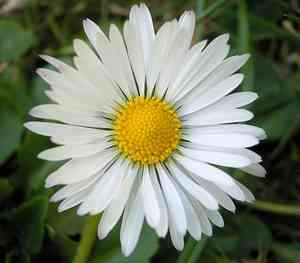
The most suitable time to relocate plains dozedaisy is after the weather warms and all risk of frost has passed, generally between late May and early July. Select locations that receive ample sunlight and possess soil that drains effectively. Only disrupt the root system if absolutely necessary, to preserve its health.
What Preparations are Needed Before Transplanting Plains Dozedaisy?
What is the Ideal Time for Transplanting Plains Dozedaisy?
The perfect time for moving plains dozedaisy is at the start of the growing season, from late spring to early summer. Relocating plains dozedaisy during this period promotes root establishment and benefits from the longer, warmer days ahead, giving your plains dozedaisy an excellent start. Transplanting plains dozedaisy then allows it to adjust to its new spot with the help of mild temperatures and sufficient daylight, which are crucial for robust development.
How Much Space Should You Leave Between Plains Dozedaisy Plants?
Begin by choosing a location where your plains dozedaisy seedlings can thrive. A spacing of 4-6 inches (10-15 cm) between each plant will allow them to breathe and grow without competing for nutrients or sunlight.
What is the Best Soil Mix for Plains Dozedaisy Transplanting?
For your plains dozedaisy, you'll want to prepare a bed with soil that drains well. Aim to incorporate some organic compost to provide a fertile base. A balanced, slow-release fertilizer is an excellent starting point to nourish your young plants.
Where Should You Relocate Your Plains Dozedaisy?
Select a sunny spot for your plains dozedaisy as they enjoy soaking up full sunlight for most of the day. This will ensure they have the energy to grow strong and healthy. Partial shade is also acceptable, but full sun is optimal.
What Equipments Should You Prepare Before Transplantation Plains Dozedaisy?
Gardening Gloves
To safeguard your hands while handling soil and plants.
Hand Trowel
For digging and moving soil during the transplanting process.
Watering Can
To gently water the plains dozedaisy after transplanting.
Gardening Shears
For trimming any damaged roots or leaves prior to transplanting.
Measuring Tape
To correctly space the transplants.
Wheelbarrow
To transport the plains dozedaisy and any soil amendments as needed.
How Do You Remove Plains Dozedaisy from the Soil?
How Do You Remove Plains Dozedaisy from the Soil?
From Ground: Start by watering the plains dozedaisy to soften the soil. Next, use a hand trowel to carefully dig around the plant, keeping a generous amount of soil around the root ball. Gently lift the plains dozedaisy from its spot while ensuring minimal root disturbance.From Pot: Moisten the soil beforehand. Turn the pot on its side, hold the plains dozedaisy stem at the base, and gently tap the bottom of the pot to encourage the plant and root ball to slide out whole.From Seedling Tray: Soak the tray to facilitate removal and reduce root stress. Use a spoon or a dibber to lift each plains dozedaisy seedling with its surrounding soil, handling the seedling carefully by the leaves rather than the stem.
Step-by-Step Guide for Transplanting Plains Dozedaisy
Prepare the New Site
Dig a hole that is twice as wide as the plains dozedaisy's root ball but no deeper than the plant was originally growing. Loosen the soil around the hole.
Root Ball
Carefully inspect the root ball of plains dozedaisy. Use gardening shears to remove any dead or damaged roots to encourage healthy growth.
Placement
Position the plains dozedaisy in the center of the hole. Ensure that the top of the root ball is level with the surrounding soil surface.
Backfill
Slowly fill in the hole with the excavated soil, gently tamping down to eliminate any air pockets. Provide support and ensure the plains dozedaisy is standing upright and straight.
Watering
Thoroughly water the plains dozedaisy after planting to settle the soil around the roots and to help ease transplant shock.
How Do You Care For Plains Dozedaisy After Transplanting?
Initial Care
Observe the plains dozedaisy closely for the first few weeks, ensuring adequate moisture levels and checking for signs of transplant shock, such as wilting or yellowing.
Mulching
Apply a layer of organic mulch around the base of the plains dozedaisy, keeping it away from the stem to retain soil moisture and regulate soil temperature.
Pruning
Trim any dead or wilted leaves with gardening shears to encourage new growth and maintain a neat appearance.
Troubleshooting Common Issues with Plains Dozedaisy Transplantation.
When is the best time to transplant plains dozedaisy seedlings outdoors?
Optimal transplanting time is from late spring to early summer when the soil is warm.
What spacing is optimal when transplanting plains dozedaisy plants?
Space plains dozedaisy seedlings ideally 4-6 inches (10-15 cm) apart for healthy growth and air circulation.
Why are my plains dozedaisy plants wilting after transplanting?
Wilting could be due to transplant shock. Keep soil moist and provide shade for a few days.
How deep should plains dozedaisy seedlings be planted?
Plant plains dozedaisy at the same depth they grew in their previous container to avoid stem rot.
Can I transplant plains dozedaisy in full sunlight?
Plains dozedaisy thrives in full sun, but gradually acclimate them to outdoor sunlight to prevent stress.
What soil type is best for transplanting plains dozedaisy?
Use well-draining soil rich in organic matter to promote healthy root development for plains dozedaisy.
How often should I water plains dozedaisy after transplanting?
Water gently yet thoroughly after transplanting, then regularly to keep the soil consistently moist.
Should I fertilize plains dozedaisy right after transplanting?
Wait 2-4 weeks post-transplant before fertilizing to allow plains dozedaisy to establish without burning roots.
What signs show my plains dozedaisy transplant was successful?
New growth and the absence of wilting or yellowing indicate a successful plains dozedaisy transplant.
Can I transplant plains dozedaisy on a windy day?
Avoid windy days for transplanting plains dozedaisy as it can cause dehydration and increase transplant shock.



