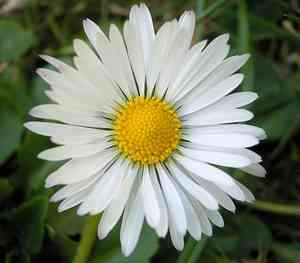
Plains dozedaisy (Aphanostephus ramosissimus)
Also known as: Lazy daisy
Plains dozedaisy (Aphanostephus ramosissimus) thrives in warm, dry environments, often found on sandy or loamy soils in open, sunny areas. This plant supports wildlife, offering nourishment to the convergent lady beetle (Hippodamia convergens) and attracting butterflies like the common buckeye (Junonia coenia) with its distinctive daisy-like flowers.
In This Article
Attributes of Plains dozedaisy
Lifespan
Annual
Plant Type
Herb
Plant Height
45 cm
Spread
Typically around 20-30 cm
Leaf Color
Green
Flower Size
1.3 cm to 4 cm
Flower Color
White Yellow Pink Purple
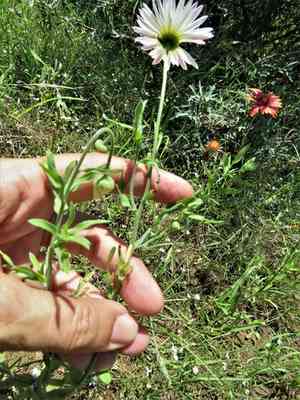
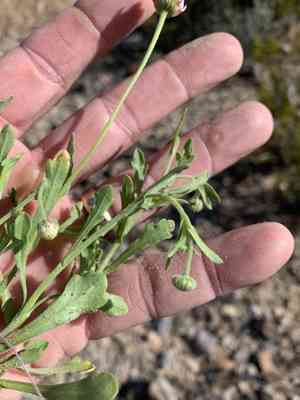
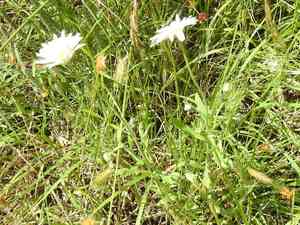
Images of Plains dozedaisy
Quickly Identify Plains dozedaisy
1
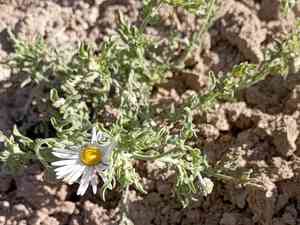
Look for a small herbaceous plant with branched stems, white ray florets around a yellow disc, and alternate leaves that are small and linear.
Scientific Classification of Plains dozedaisy
Phylum
Vascular plants
Class
Dicotyledons
Order
Asterales
Family
Daisy
Genus
Aphanostephus
Species
Plains dozedaisy
Planting and Growing of Plains dozedaisy
Care Difficulty
Easy
Watering Schedule
Every 4 days
Sunlight Requirements
Full sun
Sunshine Duration
4-6 hours
Ideal Temperature
65-75℉
Soil Type
Potting Mix, Peat Mix
Soil pH
6.5-7.5
Fertilizer Type
Balanced
Pruning Season
Spring, Summer
Pruning Area
Branches, Leaves
Pruning Frequency
2 times a year
Repotting Season
Spring
Pot Type
Plastic, Ceramic
 How to Water Plains dozedaisy?
For Aphanostephus ramosissimus, each watering session should involve around 200 milliliters. You want the soil to be thoroughly moist, but not soggy or waterlogged. The aim is to reach where the roots can efficiently take up the moisture, mimicking their natural habitat conditions.
What are the symptoms of an underwatered Plains dozedaisy?
›
What should I do if my Plains dozedaisy is not getting enough water?
›
What are the symptoms of an overwatered Plains dozedaisy?
›
How to save an overwatered Plains dozedaisy?
›
 What Are the Sunlight Requirements for Plains dozedaisy?
Aphanostephus ramosissimus thrives with a light range between full and partial sun. Ideal light benefits include vigorous growth, beautiful flowering, and enhanced plant resilience.
What is the ideal lighting condition for Aphanostephus ramosissimus?
›
How can I achieve the ideal lighting conditions for my plant?
›
What benefits does ideal lighting have on Aphanostephus ramosissimus?
›
 What Is the Ideal Temperature Range for Plains dozedaisy?
Aphanostephus ramosissimus thrives best within a temperature range of 65-75°F. This range ensures optimal photosynthesis and nutrient uptake, promoting healthy growth and vibrant blooms. Temperatures within this range simulate the plant's natural habitat, fostering ideal cellular activities and metabolic processes. Cultivating this plant within these temperatures results in robust and resilient specimens.
 What Soil is Best for Plains dozedaisy?
Aphanostephus ramosissimus thrives in well-drained soil, which prevents root rot by allowing excess water to escape. This is crucial for healthy root development and overall plant vitality. The plant prefers soil with moderate nutrient content, which supports steady growth without causing excessive foliage at the expense of flowering. Balanced nutrient levels ensure sustained flowering and vibrant health. A sandy loam texture offers optimal conditions for Aphanostephus ramosissimus by providing good aeration and drainage. This soil structure fosters healthy root expansion and ensures efficient nutrient uptake.
 How to Fertilize Plains dozedaisy?
Aphanostephus ramosissimus prefers light and balanced feeding. Use a diluted liquid fertilizer solution at half the recommended strength to prevent over-fertilization, especially during the growing season when it requires more nutrients to support its vibrant blooms.
 How to Prune Plains dozedaisy?
Begin by sterilizing your pruning shears to prevent the spread of diseases. Look for any dead or damaged stems and remove them at the base. Next, focus on thinning out overcrowded areas to allow better air circulation. Trim back any overgrown branches to a desired shape, cutting above a leaf node to encourage new growth. Avoid cutting more than a third of the plant at once to prevent stress.
More About Pruning Techniques→
 How to Propagate Plains dozedaisy plant?
1
Before planting seeds or cuttings, ensure that the soil is well-aerated and free of debris. Use a mix that retains moisture but also allows good drainage, such as a combination of peat moss and perlite, to facilitate healthy root development.
2
When sowing the seeds, distribute them evenly across the prepared soil surface. Gently press them into the soil to ensure good contact but avoid burying them too deeply. Lightly cover the seeds with a thin layer of soil and water gently to avoid dislodging them.
3
For cutting propagation, choose healthy, non-flowering shoots and cut them with sharp pruning shears below a node. Strip the lower leaves to expose several leaf nodes that will come into contact with the rooting medium, and dip the cut end into a rooting hormone to stimulate root growth.
 How to Repot Plains dozedaisy plant?
1
Look for signals such as roots growing out of the drainage holes, which indicate the plant is root-bound and needs a new pot. Also, if the soil dries out too quickly after watering, it might be time to repot. The best time to repot is during the warmer months of spring or early summer, when the plant is in its active growth phase.
2
Select a pot that is one size larger than the current pot. Ideally, it should have drainage holes to prevent waterlogging. A slightly larger pot allows room for root growth and stability for the plant, providing it with a well-supportive environment to thrive and flourish.
3
Opt for a well-draining sandy soil mix, which helps prevent root rot by allowing excess water to drain away quickly. Such soil mixes often contain perlite or coarse sand, ensuring good air circulation around the roots and promoting healthy root development.
Learn More About Plains dozedaisy Diseases
Anthracnose
Bacterial Leaf Spot
Bacterial Soft Rot
Bacterial Wilt
Black Spot
Chemical Injury
Crown Gall
Cyst Nematode
Damping-off
Downy Mildew
Drought Stress
Fusarium Wilt
Gray Mold
Leaf Curl
Leaf Spot
Mosaic
Nutrient Deficiency
Nutrient Toxicity
Powdery Mildew
Root Rot
Root-knot Nematode
Rusts
Sooty Mold
Spider Mites
Temperature Stress
Thrips Damage
White Mold



