How to Prune Plains dozedaisy?
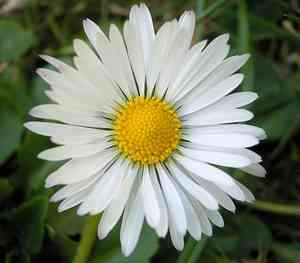
Distinguished by its fragile blossoms, plains dozedaisy thrives with regular trimming to stimulate development and preserve its structure. Trimming sessions are best conducted in spring, summer, or autumn, coinciding with periods of vigorous growth. Removing faded flowers encourages subsequent blooming, and gentle snipping helps keep the plant neat. Eliminate impaired or excessively long stems to cultivate a robust, compact shape. Trimming not only refines its look but also boosts the plant's vitality and the caliber of its flowers.
Advantages of Trimming Plains Dozedaisy
Advantages of Trimming Plains Dozedaisy
Trimming plains dozedaisy encourages robust development by reallocating energy to new shoots, ensuring a dense, well-formed structure. This targeted growth fosters a healthier, more visually appealing look.
Optimal Period for Trimming Plains Dozedaisy
Optimal Period for Trimming Plains Dozedaisy
Trimming or cutting plains dozedaisy during Late Spring and Early Summer is recommended as it coincides with the post-flowering phase, aiding in the removal of spent blossoms and promoting a second bloom. Gardeners should aim to prune after the danger of frost has passed and when the plant is actively growing, ensuring quick recovery and stimulating vigorous growth. Additionally, Fall trimming is suitable for shaping the plant and eliminating any dead or diseased foliage before winter dormancy. Pruning during these seasons also reduces stress, allowing plains dozedaisy to store energy for the next growth cycle and lowering the risk of disease transmission during active growth periods.
Tools Required for Trimming Plains Dozedaisy
Bypass Pruners
Perfect for making precise cuts on plains dozedaisy, bypass pruners are ideal for snipping stems and deadheading. The sharp blade 'bypasses' a thick base, similar to scissors, preventing damage to plant tissues.
Pruning Shears
Handheld pruning shears are particularly well-suited for refining and shaping plains dozedaisy, as they enable accurate cutting. Their easy maneuverability is advantageous for reaching into dense foliage without harming the plant.
Gardening Gloves
Though not a cutting tool, gloves safeguard hands from thorns or rough stems while trimming plains dozedaisy, ensuring a safe gardening experience.
How to Trim Plains Dozedaisy
Clean
Ensure that trimming tools are clean and sharp to prevent the spread of disease and make precise cuts on plains dozedaisy.
Identify
Locate the withered leaves on plains dozedaisy that need trimming, focusing on those that are brown, dry, or visibly damaged.
Cut
Using a pair of sharp scissors or pruning shears, cut the withered leaves at their base, being careful not to harm the adjacent healthy tissue on plains dozedaisy.
Dispose
Remove the cut material from the surrounding area of plains dozedaisy to prevent potential disease and pest issues.
Inspect
After trimming the withered leaves, inspect plains dozedaisy for any remaining dead or unhealthy tissue and repeat the process as needed.
Common Trimming Errors with Plains Dozedaisy
Over pruning
Removing too much foliage from plains dozedaisy at once can stress the plant, leading to weakened growth and a potential reduction in its ability to recover and bloom.
Incorrect cut placement
Making cuts either too close or too far from the main stems or buds can impede the healing process, leave the plant susceptible to disease, or result in misshapen growth.
Using dull tools
Trimming plains dozedaisy with dull or dirty tools can cause damage to the stems, making them vulnerable to disease and decay.
Neglecting to prune
Failing to remove dead or diseased foliage can lead to ongoing problems, as plains dozedaisy relies on regular trimming to maintain healthy growth and vigor.
Improper shaping
Attempting to shape plains dozedaisy into an unnatural form can disrupt its natural growth pattern, leading to stress and potential harm to the plant.
General Trimming Advice for Plains Dozedaisy
Sharp clean tools
Always use sharp, clean pruning shears for clean cuts that heal quickly and minimize the risk of spreading disease to plains dozedaisy.
Identify diseased parts
Carefully inspect plains dozedaisy and prioritize the removal of any dead, diseased, or damaged tissue to promote healthy growth and flowering.
Cut at an angle
Make cuts at a 45-degree angle just above a leaf node or a branching point to encourage new growth in plains dozedaisy.
Thin out center
Thin out the center of plains dozedaisy to improve air circulation and sunlight penetration, which helps reduce the risk of fungal diseases.
Consistent maintenance
Regularly assess the plant's shape and health, performing light, consistent maintenance rather than waiting for a more dramatic, potentially damaging trim.



