How to Transplant Bronze bells?
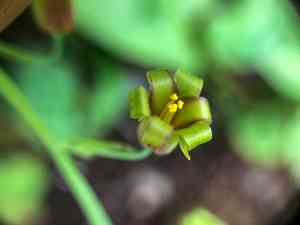
Bronze bells thrives when relocated from late spring to early summer, benefiting from mild temperatures and sufficient development period. Provide a spot with full sun to partial shade and soil that drains effectively for optimal outcomes.
Essential Preparations Before Relocating Bronze Bells
Optimal Period for Moving Bronze Bells
The best time to move bronze bells is from mid-spring to early summer. During this period, the soil has warmed sufficiently, aiding root establishment. Transplanting at this time minimizes shock and benefits from spring rainfall, fostering robust growth.
Required Spacing Between Bronze Bells Plants
When transplanting bronze bells, ensure each plant is positioned 12-18 inches (30-45 cm) apart. This provides ample room for development and prevents overcrowding.
Ideal Soil Blend for Bronze Bells Transplantation
Prepare a well-draining soil mix rich in organic matter for bronze bells. Incorporating compost or a balanced fertilizer will supply essential nutrients. Aim for soil with a slightly acidic to neutral pH.
Selecting a New Location for Your Bronze Bells
Bronze bells thrives in sunny conditions but can tolerate some shade. Confirm the new site receives at least 6 hours of daily sunlight for best growth.
Tools Required for Transplanting Bronze Bells
Gardening Gloves
To safeguard your hands while handling soil and plants.
Shovel or Spade
For excavating the plant from its original spot and preparing the new planting site.
Trowel
Useful for smaller digging tasks and adjusting soil in confined areas.
Watering Can or Hose
To hydrate the plant and soil both before and after the transplanting process.
Pruners or Scissors
For trimming any damaged or excess roots or foliage.
Wheelbarrow or Bucket
For transporting the plant if it needs to be moved a significant distance.
Method for Extracting Bronze Bells from the Ground
Method for Extracting Bronze Bells from the Ground
From Ground: First, moisten the bronze bells plant to dampen the soil. Next, dig a wide trench around the plant using a shovel or spade, ensuring the root ball remains intact. Carefully work the spade beneath the root ball to lift the plant from its initial location.From Pot: Thoroughly water the bronze bells plant. Then, gently tilt the pot and tap its sides to loosen the soil. Hold the plant's base and slide it out, being careful not to harm the roots.From Seedling Tray: Dampen the soil surrounding the bronze bells seedling. Use a small trowel or your fingers to carefully lift the seedling from the tray, preserving as much of the root system as possible.
Detailed Steps for Transplanting Bronze Bells
Location Selection
Choose a spot with adequate sunlight and space for your bronze bells plant to reach its full size.
Prepare the Planting Hole
Dig a hole twice as wide and as deep as the root ball of your bronze bells plant to allow roots to spread easily.
Assess and Amend Soil
Use your trowel to loosen the soil at the bottom of the hole, making it easier for roots to penetrate.
Position the Plant
Place the bronze bells plant in the center of the hole at the same depth it was growing previously. Fill the hole halfway with soil and gently press down to remove air pockets.
Backfill the Hole
Fill the remaining portion of the hole with soil, pressing gently as you go to ensure the plant is stable.
Water the Plant
Thoroughly water the bronze bells plant and the surrounding soil to help it settle in.
Post-Transplant Care for Bronze Bells
Watering
Maintain consistent moisture around the bronze bells, avoiding sogginess, for the initial weeks after transplanting to encourage strong root development.
Mulching
Apply a layer of mulch around the base of the bronze bells plant to help retain moisture and control weeds.
Monitoring
Observe the plant for signs of transplant shock, such as wilting or discolored leaves, and intervene if necessary.
Addressing Common Issues with Bronze Bells Transplantation
When is the best time to transplant bronze bells?
Mid to late spring and early summer are optimal for transplanting bronze bells.
How much space should be left between each bronze bells plant?
Space each bronze bells plant 12-18 inches (30-45 cm) apart to ensure healthy growth.
What should I do if leaves turn yellow after transplanting?
Check for overwatering or poor drainage. Ensure soil is well-aerated and adjust watering schedule.
How can I avoid transplant shock in bronze bells?
Water thoroughly before and after transplanting. Provide some shade if needed to reduce stress.
What soil type is best for transplanting bronze bells?
Use well-draining, loamy soil enriched with compost to improve nutrient content.
How often should I water bronze bells after transplanting?
Water bronze bells deeply once a week, ensuring the soil remains consistently moist but not waterlogged.
How deep should I plant bronze bells?
Plant bronze bells at the same depth it was growing previously to prevent root stress.
Can I transplant bronze bells on a windy day?
Avoid transplanting on windy days to prevent damage to newly established roots and stems.
Do I need to fertilize bronze bells after transplanting?
Wait several weeks before applying a balanced, slow-release fertilizer to avoid root burn.
How much sunlight does transplanted bronze bells need?
Place bronze bells in a location with partial to full sun for optimal growth and flowering.



