How to Propagate Bronze bells?
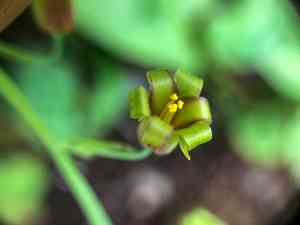
Bronze bells, recognized for its impressive groupings of campanulate blooms, flourishes in adequately drained earth under conditions ranging from partial to complete sunlight. For effective reproduction, separation is advised. Gently divide the plant clusters while the plant is inactive, making sure every segment possesses a strong root structure. Replant without delay in fertile ground, preserving steady hydration to foster fresh development. Consistent observation and a thin layer of mulch can improve its establishment and strength.
What Is the Best Time To Propagate Bronze Bells?
Propagation Type
Splitting
Propagation Season
Spring,Autumn
What Tools Are Used in Bronze Bells Propagation?
Garden Spade
A garden spade is crucial for unearthing established bronze bells clumps. It enables careful lifting of the plant from the earth without harming the roots, which is vital for successful separation.
Sharp Knife or Garden Shears
These implements are needed for severing the rhizomes or tubers of bronze bells. A clean, precise cut lowers disease risk and encourages faster healing and root growth in each segment.
Rooting Hormone
While not always necessary, rooting hormone can boost the successful establishment of divided sections by encouraging root development. It's especially helpful for bronze bells as it increases the chances of each plant part flourishing.
Watering Can or Hose with Gentle Spray Nozzle
Following division and replanting, it's essential to keep bronze bells damp but not saturated. A watering can or hose with a soft spray nozzle ensures even, controlled irrigation that prevents soil displacement and provides appropriate moisture levels.
Plant Labels
Utilizing plant labels helps you track each bronze bells division, particularly if you're trying different garden spots or soil types. This ensures you can monitor growth and conditions for every new plant.
Pruning Sealant
Applying pruning sealant to cuts made during the division process can help shield bronze bells from pests and diseases, ensuring the separated plants remain healthy and viable.
Shovel or Trowel
These tools aid in replanting the divided bronze bells sections. They are also useful for adjusting soil and ensuring each section is positioned at the correct depth for optimal growth.
How to Propagate Bronze Bells?
Propagation Type
Simple
How to Care for Your Newly Propagated Bronze Bells?
How to Care for Your Newly Propagated Bronze Bells?
After propagating bronze bells, maintain consistent soil moisture without over-saturating. Apply a balanced, slow-release fertilizer once in early spring. Keep the area free of weeds to reduce competition for nutrients and water. Trim any damaged or dead foliage to encourage new growth. Monitor for pests and diseases, treating promptly to prevent their spread.
Common Mistakes to Avoid When Propagating Bronze Bells
Overwatering
Excessive moisture can lead to root decay and fungal problems, negatively impacting the plant's health and propagation success.
Incorrect Soil Choice
Using soil that retains too much moisture can suffocate the roots and impede proper growth.
Lack of Light
Insufficient sunlight can slow down growth and weaken the plant, making it more susceptible to diseases.
Improper Temperature Management
Exposure to extreme temperatures can stress the plant and hinder successful propagation.
Forgetting Stratification
Not providing a cold stratification period can prevent the seeds from germinating properly.
Tips For Propagating Bronze Bells
Moderate Watering
Ensure the soil is kept moist but not waterlogged to promote healthy root development.
Well-draining Soil
Use a soil mix that provides good drainage to avoid water retention and root issues.
Adequate Sunlight
Place the plant in a location where it can receive plenty of indirect sunlight for optimal growth.
Temperature Control
Maintain a consistent temperature that is not too hot or too cold to keep the plant thriving.
Cold Stratification
Expose seeds to a cold period to break dormancy, which is crucial for successful germination.



