How to Transplant Sweetgrass?
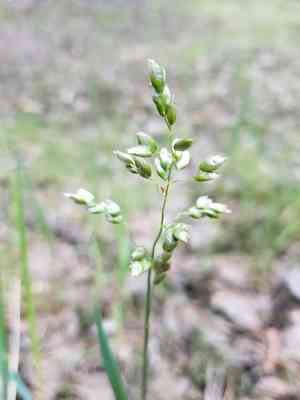
For sweetgrass, the arrival of spring, precisely when the freezes diminish, offers the ideal period for relocation. Select a location that receives full sun to partial shade and possesses soil that drains effectively. Verify that the chosen site replicates the inherent growing environment of sweetgrass to facilitate an effortless adjustment.
What Preparations are Needed Before Transplanting Sweetgrass?
What is the Ideal Time for Transplanting Sweetgrass?
The optimal period for relocating sweetgrass is the revitalizing season of late winter to early spring. This timeframe allows sweetgrass to develop roots in cool, damp soil before the summer heat. Moving sweetgrass during this season maximizes its growth potential and ensures a strong beginning. It provides an opportunity for sweetgrass to adapt and flourish, strengthening its vigor for the upcoming growing months.
How Much Space Should You Leave Between Sweetgrass Plants?
Greetings, aspiring gardener! When preparing for your sweetgrass to thrive, aim to provide each plant ample room to expand. Placing them approximately 6-12 inches (15-30 cm) apart will be effective!
What is the Best Soil Mix for Sweetgrass Transplanting?
For healthy sweetgrass roots, blend your garden soil with some organic compost to make it rich and fertile. A portion of a balanced, slow-release fertilizer will give your sweetgrass an excellent start—consider it a welcoming meal!
Where Should You Relocate Your Sweetgrass?
Now, finding the perfect sunny spot is crucial! Sweetgrass loves a location where the sun gently warms its foliage. A site with full to partial sunlight should have your sweetgrass swaying in the gentle breeze!
What Equipments Should You Prepare Before Transplantation Sweetgrass?
Gardening Gloves
To safeguard your hands while handling soil and plants.
Shovel or Spade
To excavate around and beneath the plant when removing it from its initial position.
Garden Fork
To gently loosen the soil surrounding the plant roots if necessary.
Watering Can or Hose
To hydrate the sweetgrass before removal and after replanting.
Wheelbarrow or Plant Dolly
To move the sweetgrass from its original spot to the new transplant location.
Pruning Shears
To trim any dead or excessive growth prior to transplanting.
Mulch
To help maintain soil moisture around the newly transplanted sweetgrass.
Measuring Tape
To ensure correct spacing between transplanted sweetgrass plants.
How Do You Remove Sweetgrass from the Soil?
How Do You Remove Sweetgrass from the Soil?
From Ground: First, water the sweetgrass plant to moisten the soil. Then, dig a wide trench around the plant using a shovel or spade, ensuring the plant's root ball remains intact. Carefully work the spade under the root ball to lift the plant from its original location.From Pot: Begin by watering the soil in the pot to reduce stress on the sweetgrass plant. Turn the pot on its side and gently tap the sides to loosen the soil. Grasp the base of the plant and wiggle it slightly while pulling it upward, keeping the root ball intact.From Seedling Tray: Water the seedlings to make the soil pliable. Use a spoon or a small gardening tool to ease the sweetgrass plant out of the cell, being careful not to damage the delicate roots. Hold the plant by the base, and not by the stems or leaves.
Step-by-Step Guide for Transplanting Sweetgrass
Preparation
Gather all necessary tools and prepare the area where the sweetgrass will be replanted. Ensure the soil has been adequately moistened without being waterlogged to facilitate easier removal and transplanting of the sweetgrass. Label the new location if you're transplanting multiple plants for organized placement and future care.
Dig the Hole
At the new location, use your shovel or spade to dig a hole that is twice as wide and the same depth as the sweetgrass root ball. This will give the roots plenty of room to expand and grow.
Remove the sweetgrass
Use the methods described in the removal process above, selecting the approach that corresponds to where your sweetgrass is currently planted (ground, pot, or seedling tray). Once removed, gently shake off any loose soil, being careful to minimize damage to the root system.
Placement
Place the sweetgrass in the center of the prepared hole. Adjust the plant so that it sits at the same depth it was previously growing. This can be checked by looking at the soil mark on the stem of the sweetgrass.
Fill the Hole
Carefully fill in around the sweetgrass with soil, gently firming it down as you go to eliminate air pockets. Make sure you're not compacting the soil too firmly, as this can damage the roots and impede growth.
Mulching
Once the hole is filled and the sweetgrass is secure, add a layer of mulch around the base of the plant to help maintain consistent soil moisture levels and temperature, but be careful not to pile the mulch against the stems.
Final Watering
Water the sweetgrass thoroughly to settle the soil around the roots and to help reduce transplant shock.
Labeling
If you haven't already, label your newly transplanted sweetgrass with a tag or stake. This can help in remembering the plant type, especially if transplanting multiple varieties, and for tracking its growth progress.
How Do You Care For Sweetgrass After Transplanting?
Monitoring
Keep a close watch on your sweetgrass after transplanting. Check for signs of transplant shock, which may include wilting leaves or discoloration. This is common and plants may recover with proper care.
Watering
Maintain consistent moisture levels around the sweetgrass, watering when the top inch of soil becomes dry. Avoid over-watering, which can cause root rot and other issues.
Mulching
Ensure the mulch remains in place to conserve soil moisture and to provide temperature stability.
Pruning
In the weeks following transplanting, prune any dead or damaged leaves or stems to encourage new growth and improve air circulation.
Weeding
Regularly remove weeds around your sweetgrass to prevent them from competing for nutrients and water.
Observation
Watch your sweetgrass's growth and development, making adjustments in care as needed. With patience and attention, your sweetgrass should thrive in its new location.
Troubleshooting Common Issues with Sweetgrass Transplantation.
What's the best time to transplant sweetgrass?
Transplant sweetgrass when the rejuvenation of spring is felt, between early to mid-spring for ideal root establishment.
How far apart should I space sweetgrass during transplanting?
Give sweetgrass room to flourish by spacing transplants about 6-12 inches (15-30 cm) apart.
How much soil depth is needed to transplant sweetgrass?
Ensure a soil depth of at least 8-10 inches (20-25 cm) when transplanting sweetgrass to accommodate root growth.
What should I do if sweetgrass wilts post-transplant?
If sweetgrass wilts after transplanting, water thoroughly and provide shade to help it recover.
Why is my transplanted sweetgrass turning brown?
Browning may indicate transplant shock. Maintain even moisture and avoid direct high sunlight until it stabilizes.
How do I prepare the soil before transplanting sweetgrass?
Enrich the soil with compost for nutrients and ensure it is well-drained before transplanting sweetgrass.
What is the ideal light condition for transplanted sweetgrass?
Transplanted sweetgrass thrives in full sunlight but can tolerate partial shade, especially in hotter regions.
Can I transplant sweetgrass during the summer?
It's best to avoid summer transplanting. Sweetgrass prefers cooler springtime for better root development.
How do I protect newly transplanted sweetgrass from frost?
Mulch around sweetgrass to insulate roots and provide a layer of frost protection if unexpected cold snaps.
Why is my sweetgrass not growing after transplant?
Check for root-bound clumps or diseases and ensure sweetgrass isn't planted too deep or in poor soil.



