How to Prune Sweetgrass?
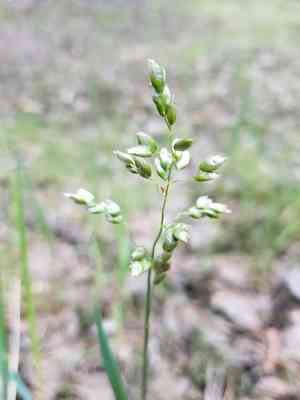
Celebrated for its delightful, vanilla-esque fragrance, sweetgrass thrives with consistent trimming. Cut back aged leaves at the soil line in early spring or during winter to foster strong new development and preserve the plant's well-being. Trimming not only sculpts sweetgrass but also amplifies its aromatic qualities. Concentrate on eliminating lifeless or discolored stalks to encourage new, energetic sprouts. This periodic routine leads to a fuller, more appealing appearance and maximizes the creation of fragrant oils.
What Are the Benefits of Pruning Sweetgrass?
What Are the Benefits of Pruning Sweetgrass?
Trimming sweetgrass encourages robust development by eliminating old stalks, fostering new shoots. It also aids in preserving the plant's form for visual appeal and garden consistency.
What Is the Best Time for Pruning Sweetgrass?
What Is the Best Time for Pruning Sweetgrass?
Trimming sweetgrass in early spring coincides with the end of its dormant phase. This timing optimizes the plant's energy reserves, crucial for supporting new growth post-pruning. Cutting back the plant before its active growth cycle begins allows for strong recovery and healthier, denser growth. Winter trimming is also recommended as sweetgrass is inactive, making it less prone to stress and reducing disease transmission risk. Furthermore, the absence of leaves in winter offers better visibility of the plant's structure, ensuring a more precise and effective pruning process.
What Tools Do I Need to Prune Sweetgrass?
Bypass Hand Pruners
Perfect for cutting through fresh, living vegetation, bypass pruners deliver a clean cut vital for sweetgrass health. They operate like scissors, with one sharp blade passing by a thicker one.
Grass Shears
Handheld grass shears provide accuracy for trimming and shaping sweetgrass. Their size and control are suitable for sweetgrass's delicate nature, preventing plant damage.
Gardening Scissors
Standard gardening scissors can be used for snipping small, thin sweetgrass foliage. They enable precise cuts and are ideal for slender, grass-like species.
How to Prune Sweetgrass
Clean tools
Sanitize your trimming tools before starting to prevent disease spread. Use a solution of 1 part bleach to 9 parts water to disinfect your shears' or scissors' blades.
Identify trim parts
Examine sweetgrass for specific parts to be trimmed, focusing on removing any diseased leaves and dead foliage to promote healthy growth and prevent further infection.
Cut diseased leaves
Using your sanitized tools, carefully cut diseased leaves at their base where they meet healthy tissue, ensuring not to tear or harm the remaining healthy portions of sweetgrass.
Remove withered leaves
Locate and gently trim away withered leaves from sweetgrass by making clean cuts. This helps maintain an attractive appearance and redirects sweetgrass's energy to new growth.
Dispose trimmed parts
Discard the diseased and withered trimmings away from sweetgrass and other plants to prevent disease and pest spread. Composting is not advised for diseased material.
Common Pruning Mistakes with Sweetgrass
Overpruning
A frequent error is removing too much sweetgrass foliage, which can stress the plant and potentially lead to reduced vigor or even death.
Improper Cutting Technique
Cutting sweetgrass stems with dull tools or at incorrect angles can result in damaged stems, making the plant more vulnerable to disease and pests.
Disregarding Plant Health
Attempting to trim sweetgrass when it is unhealthy, such as when suffering from drought stress or disease, can further weaken the plant.
Ignoring Natural Shape
Sculpting sweetgrass into unnatural forms or sizes can impede its natural growth patterns and lead to an unappealing appearance.
Pruning too Frequently
Excessive trimming sessions can prevent sweetgrass from reaching its full potential and may stress the plant unnecessarily.
Common Pruning Tips for Sweetgrass
Use Sharp Tools
Ensure you use sharp and clean trimming tools to make precise cuts on sweetgrass, which aids in faster healing and reduces disease risk.
Selective Thinning
Thin out older, less vigorous growth to allow light and air to penetrate sweetgrass, promoting healthier new growth without significantly altering the plant's size.
Maintain Plant Shape
When trimming sweetgrass, follow its natural form, enhancing its growth habit rather than trying to significantly change its shape.
Prune for Rejuvenation
Remove dead or diseased sweetgrass foliage as needed to maintain plant health and stimulate new growth.
Mindfulness with Flowering
If trimming sweetgrass to encourage blooming, be careful to retain enough mature growth, as this can influence its ability to produce flowers.



