The Sweetgrass Plant Advantage: Maximizing Home and Office Appeal and Wellness
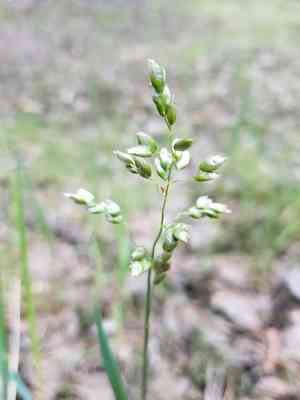
1
Sweetgrass is recognized for its pleasant scent, frequently employed in spiritual practices and rites.
2
This botanical variety finds application in the creation of baskets, woven goods, and diverse artisanal items.
3
Sweetgrass possesses inherent qualities capable of deterring pests, rendering it beneficial in homes.
What Are the Traditional Applications of Sweetgrass?
Cultural and Spiritual Practices
For numerous indigenous groups, Sweetgrass possesses profound spiritual and ceremonial significance. It's frequently braided, dried, and burned during rituals to cleanse areas and draw in positive energy. Its agreeable, sweet scent is thought to induce calmness, fostering a tranquil environment.
Craftsmanship and Artistry
Sweetgrass's lengthy, resilient blades make it an excellent medium for various forms of artisanal work. Traditionally, it's employed in basket weaving, producing intricate and sturdy baskets that serve both practical and decorative functions. The plant's inherent strength and flexibility are key attributes artisans have utilized for generations.
How Does Sweetgrass Benefit Contemporary Household Use?
Natural Insect Repellent
Sweetgrass offers an organic solution for pest management. Its dried foliage can be placed around residences to deter insects, such as mosquitoes and flies, due to its aromatic compounds that insects find disagreeable. This eco-friendly option helps maintain a pest-free home without relying on chemical-based repellents.
Aromatic Enhancements
The pleasant aroma of Sweetgrass can be used to refresh living spaces. Placing braids or sachets made from the plant in closets, drawers, or even vehicles can infuse the area with its delightful fragrance. This natural scent alternative is both environmentally friendly and gentle, ideal for those sensitive to synthetic air fresheners.
What Are the Ecological Contributions of Sweetgrass?
Soil Health and Erosion Control
Sweetgrass plays a crucial role in maintaining soil vitality and preventing erosion. Its robust root system helps stabilize the soil, making it particularly advantageous in areas prone to erosion. Furthermore, it contributes to overall soil fertility by supporting a diverse community of microorganisms.
Supporting Biodiversity
The presence of Sweetgrass within an ecosystem promotes biodiversity. It offers habitat and sustenance for various insects and animals. This, in turn, supports higher trophic levels, fostering a balanced and healthy ecosystem. Conservation efforts often involve planting Sweetgrass to restore and support diverse habitats.
How Can Sweetgrass Be Utilized for Personal Well-being?
Aromatherapy and Relaxation
Incorporating Sweetgrass into aromatherapy practices can enhance personal well-being. Its sweet fragrance is known to possess calming properties that can aid in relaxation and stress reduction. Many individuals use Sweetgrass in sachets or essential oil diffusions to create a soothing atmosphere in their homes.
Crafting for Mindfulness
Engaging in the traditional art of braiding Sweetgrass can be a mindful and therapeutic activity. The repetitive motion and required focus can be meditative, offering an opportunity for mental relaxation and creative expression. This practice connects individuals with nature and ancestral traditions, promoting a sense of continuity and grounding.



