How to Transplant Annual vernal grass?
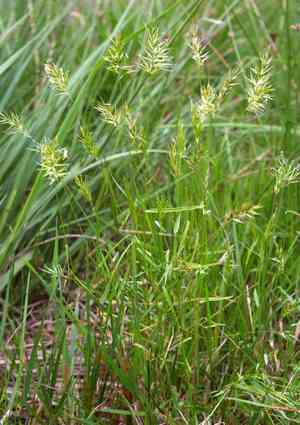
Annual spring grass thrives most effectively when moved between early and mid-spring. This period offers ideal temperatures and environmental factors. Choose a bright, adequately drained spot. Guarantee the soil remains uniformly damp after transplanting to encourage robust development.
What Preparations are Necessary Before Relocating Annual Vernal Grass?
What is the Optimal Period for Moving Annual Vernal Grass?
Relocating annual vernal grass during the initial to middle spring period guarantees peak development due to favorable temperatures and increased moisture. During this time, soil warmth encourages strong root growth. Advantages include stronger establishment, healthier plants, and enhanced resistance to pests and diseases, all vital for a successful annual cycle.
What Spacing is Recommended Between Annual Vernal Grass Plants?
When moving annual vernal grass, position each plant 12-18 inches (30-45 cm) apart. This provides ample room for growth and prevents competition for resources.
What is the Best Soil Blend for Annual Vernal Grass Relocation?
Prepare soil that drains well, mixed with compost or a balanced base fertilizer. This will supply the necessary nutrients for annual vernal grass to establish itself robustly.
Where Should You Replant Your Annual Vernal Grass?
Annual vernal grass thrives in a sunny location for optimal growth. Select a spot that receives full sunlight for at least 6-8 hours daily.
What Tools Should You Prepare Before Relocating Annual Vernal Grass?
Gardening Gloves
To safeguard your hands while handling soil and plants.
Shovel or Spade
For excavating the plant from its initial spot and creating a new hole.
Trowel
To assist in loosening soil around roots and for minor digging tasks.
Watering Can or Hose
To hydrate the plant before and after relocation.
Wheelbarrow (optional)
For moving the plant from its original site to the new one.
How Do You Extract Annual Vernal Grass from the Ground?
How Do You Extract Annual Vernal Grass from the Ground?
From Ground: First, moisten the annual vernal grass plant to dampen the soil. Then, dig a wide trench around the plant using a shovel or spade, ensuring the plant's root ball remains intact. Carefully work the spade beneath the root ball to lift the plant from its original location.From Pot: Gently tap the pot's sides to loosen the soil and roots. Hold the plant at its base and carefully slide it out. If resistance occurs, run a trowel along the pot's edge to free the root ball.From Seedling Tray: Water the seedlings to make the soil easier to manage. Use a trowel or your fingers to carefully lift each seedling, ensuring you capture as much of the root system as possible.
Step-by-Step Guide for Relocating Annual Vernal Grass
Site Preparation
Prepare the new site by digging a hole at least twice the size of the annual vernal grass's root ball. This allows roots ample space to spread and establish.
Soil Preparation
Loosen the soil at the bottom and sides of the hole to ensure good root penetration.
Relocating
Place the annual vernal grass in the hole, ensuring the top of the root ball is level with or slightly above the surrounding soil surface. Backfill the hole with soil, gently pressing around the plant to eliminate air pockets.
Watering
Immediately water the plant thoroughly to help settle the soil and provide moisture to the roots.
How Do You Care For Annual Vernal Grass After Relocation?
Watering
Keep the soil around the annual vernal grass consistently moist, but not waterlogged, for the initial weeks after relocation to aid in strong root establishment.
Mulching
Apply a layer of mulch around the plant's base to help retain moisture and suppress weeds.
Monitoring
Regularly inspect the annual vernal grass for signs of stress or wilting. Adjust watering as needed and ensure the plant is not being over- or under-watered.
Troubleshooting Common Issues with Annual Vernal Grass Relocation.
When is the best time to relocate annual vernal grass?
The optimal time to relocate annual vernal grass is from early spring to mid-spring for best growth.
How far apart should I space annual vernal grass when relocating?
Space annual vernal grass plants 12-18 inches (30-45 cm) apart to ensure each plant has sufficient room to grow.
What soil type does annual vernal grass prefer?
Annual vernal grass thrives in well-draining, moderately fertile soil with a pH between 6.0 and 7.0.
How do I prepare the soil for relocating annual vernal grass?
Loosen the soil to a depth of 6-8 inches (15-20 cm) and incorporate compost for improved fertility.
What should I do if annual vernal grass wilts after relocating?
Ensure consistent moisture. Keep the soil evenly moist but not waterlogged to help the plant recover.
Should I fertilize annual vernal grass when relocating?
Incorporate a balanced, slow-release fertilizer into the planting area to support annual vernal grass's growth.
How do I minimize relocation shock for annual vernal grass?
Relocate annual vernal grass during cooler parts of the day, and water thoroughly immediately after planting.
Can annual vernal grass be relocated in containers?
Yes, annual vernal grass can be relocated into containers. Ensure the pot has good drainage and ample space.
How deep should I plant annual vernal grass seedlings?
Plant annual vernal grass seedlings at the same depth they were growing in their original container.
What is the ideal watering routine after relocating annual vernal grass?
Water annual vernal grass consistently, keeping the soil moist but not saturated, especially during the first few weeks.



