How to Propagate Annual vernal grass?
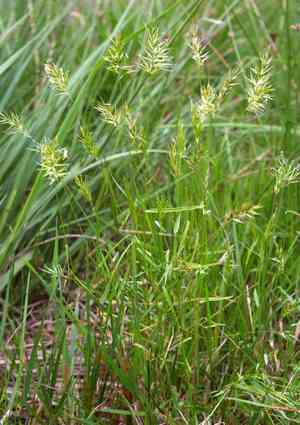
For optimal growth, annual vernal grass seeds should be directly planted in soil that drains effectively, exposed to full sunlight or light shade. Precise timing is essential for successful sprouting; seeds need to be spread uniformly and not embedded too deeply, guaranteeing proper contact with the earth. Irrigation ought to be regular yet restrained to avert oversaturation, which could impede development. Careful handling of young plants is advised to prevent damage to their fragile root systems during thinning or subsequent care. Adhering to these guidelines will foster vigorous development and successful integration into their native or new environments.
What Is the Best Time To Propagate Annual Vernal Grass?
Propagation Type
Sowing
Propagation Season
Spring
What Tools Are Used in Annual Vernal Grass Propagation?
Seed trays
Seed trays are vital for initiating annual vernal grass from seeds, offering a controlled setting that promotes optimal seed sprouting. Their flat, divided design allows for even seed distribution, ensuring each has ample room to grow without crowding. Seed trays aid in maintaining consistent moisture and temperature, both crucial for annual vernal grass germination.
Potting mix
A premium potting mix is essential for sowing annual vernal grass's seeds. This blend should drain well yet retain sufficient moisture to encourage seed germination. The correct potting mix supports the growth of robust roots, which is critical for the initial development phase of annual vernal grass. It also lowers the risk of soil-borne illnesses, boosting the plant's overall health and viability.
Spray bottle
A spray bottle is utilized to gently water annual vernal grass seeds without disturbing them. It delivers a fine mist that evenly dampens the potting mix, ensuring seeds are not washed away or buried too deeply by heavy watering. The precise water application a spray bottle provides is key to maintaining the delicate moisture balance required for seed germination.
Grow lights
If propagating annual vernal grass indoors or in low-light conditions, grow lights can be advantageous. These lights offer a steady source of artificial sunlight, which can help boost annual vernal grass growth by aiding photosynthesis. Grow lights are particularly useful in preventing annual vernal grass seedlings from becoming leggy and weak, a common issue in insufficient lighting.
Labeling materials
Labels are important for tracking the various growth stages and specific care needs of annual vernal grass. This tool assists in monitoring seedling progress and ensures proper care protocols are followed during propagation. Labels can prevent confusion, especially when propagating multiple plants simultaneously.
How to Propagate Annual Vernal Grass?
Propagation Type
Easy
How to Care for Your Newly Propagated Annual Vernal Grass?
How to Care for Your Newly Propagated Annual Vernal Grass?
Once established, annual vernal grass needs minimal upkeep. Continue to provide water during extended dry spells to support its growth. Fertilization is typically not required. Monitor for pests and diseases, though annual vernal grass is generally resilient. Trim the grass at the end of its growing season to help revitalize it for the following year.
Common Mistakes to Avoid When Propagating Annual Vernal Grass
Overwatering
Watering annual vernal grass too often can lead to waterlogged soil, which encourages root rot and fungal diseases, severely impacting plant health and reducing propagation success.
Planting depth inconsistency
Sowing annual vernal grass seeds at varying depths can result in inconsistent germination and growth rates, potentially leading to weaker plants and reduced overall propagation success.
Ignoring light requirements
Failing to provide annual vernal grass with sufficient sunlight can hinder photosynthesis, crucial for growth and vigor, leading to poor development and decreased propagation efficiency.
Tips For Propagating Annual Vernal Grass
Uniform seeding depth
Ensuring all annual vernal grass seeds are sown at the same depth promotes consistent germination. A uniform, not-too-deep soil cover will support optimal sprouting conditions.
Moderate watering regime
Maintaining moderately moist soil for annual vernal grass, especially during germination and early growth, will prevent waterlogging and encourage healthy root development.
Adequate sunlight exposure
Providing annual vernal grass with enough sunlight will facilitate efficient photosynthesis, crucial for vigorous growth and successful propagation.



