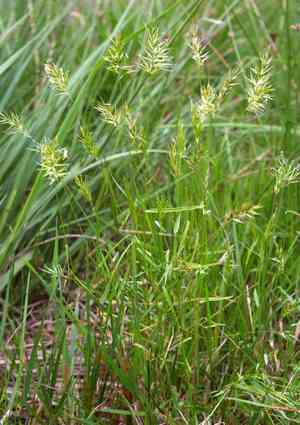
Annual vernal grass (Anthoxanthum aristatum)
Also known as: Annual Vernal Grass
This annual grass occasionally appears as a minor weed in fields. It forms small clumps and can reach a height of around 30 centimeters. The leaves are short, pointed, and have a hairy texture. Its flower structure, or inflorescence, is flat, measures up to 3 centimeters in length and 1 centimeter in width, and is also covered in hairs, with tiny spikelets just a few millimeters long.
In This Article
Attributes of Annual vernal grass
Lifespan
Annual
Plant Type
Grass
Plant Height
10-30 cm
Spread
Not applicable for grasses
Leaf Color
Green
Flower Size
Small, up to 0.5 cm
Flower Color
Greenish-yellow
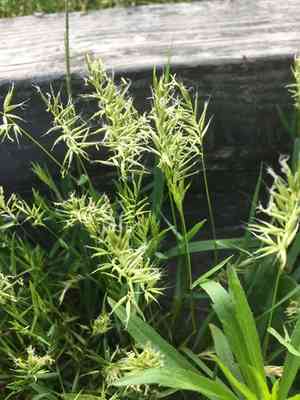
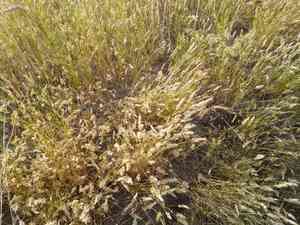
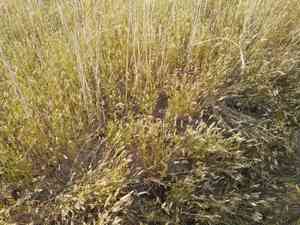
Images of Annual vernal grass
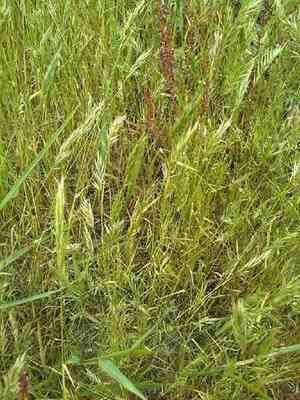
Quickly Identify Annual vernal grass
1
Anthoxanthum aristatum can be identified by its small stature, typically growing to about 10-30 cm in height, having slender stems and narrow, lance-shaped leaves. The flowers are in spikelets and possess a distinctive sweet smell due to the presence of coumarin.
Scientific Classification of Annual vernal grass
Phylum
Vascular plants
Class
Monocotyledons
Order
Poales
Family
Grass
Genus
Hornworts
Species
Annual vernal grass
Planting and Growing of Annual vernal grass
Care Difficulty
Easy
Watering Schedule
Every 2 days
Sunlight Requirements
Full sun
Sunshine Duration
4-8 hours
Ideal Temperature
60-75℉
Soil Type
Potting Mix, Peat Mix
Soil pH
6.5-7.5
Fertilizer Type
Balanced
Pruning Season
Spring, Summer
Pruning Area
Branches, Leaves
Pruning Frequency
2 times a year
Repotting Season
Spring
Pot Type
Plastic, Ceramic
 How to Water Annual vernal grass?
For Anthoxanthum aristatum, ensure the soil is moist but not waterlogged. Watering should be sufficient to penetrate the root zone, usually around 200 milliliters. The guiding principle is to allow the top couple of inches of soil to dry out between waterings.
What are the symptoms of an underwatered Annual vernal grass?
›
What should I do if my Annual vernal grass is not getting enough water?
›
What are the symptoms of an overwatered Annual vernal grass?
›
How to save an overwatered Annual vernal grass?
›
 What Are the Sunlight Requirements for Annual vernal grass?
Anthoxanthum aristatum's ideal range includes mainly full sun to partial sun conditions. This encourages robust growth and vibrancy, ensuring optimal health and aesthetic appeal.
What is the best type of light for Anthoxanthum aristatum?
›
How can I ensure my Anthoxanthum aristatum gets ideal lighting in a less sunny area?
›
Why is ideal lighting important for Anthoxanthum aristatum?
›
 What Is the Ideal Temperature Range for Annual vernal grass?
For optimal growth, Anthoxanthum aristatum thrives between 60°F and 75°F. This temperature range provides the plant with the warmth it needs for photosynthesis and nutrient uptake, promoting healthy leaf and stem development. Consistent temperatures within this range help avoid stress-related growth issues.
 What Soil is Best for Annual vernal grass?
Anthoxanthum aristatum thrives in soils with good drainage capacity. This minimizes root rot risks by ensuring excess water doesn't linger around the roots, enhancing plant health and growth. The plant benefits from nutrient-rich soils that supply essential elements for robust growth. Fertile soil supports healthy foliage and increases resilience against pests and diseases. Anthoxanthum aristatum prefers soils with moderate moisture retention. This balances water availability, preventing drought stress while avoiding overly waterlogged conditions.
 How to Fertilize Annual vernal grass?
For Anthoxanthum aristatum, it's important to provide a moderate amount of fertilizer. Liquid fertilizers should be diluted to half their strength, typically around 100 ml for a small pot. Slow-release fertilizers should be used sparingly, with about 10 grams per application.
 How to Prune Annual vernal grass?
Start by carefully inspecting your plant and removing any dead or damaged leaves. This encourages new growth and keeps your plant looking vibrant and healthy. Identify stems that have become too long or leggy and trim them back to promote a fuller, bushier growth habit. This helps maintain a compact shape. Snip away any faded flowers or seed heads to encourage the plant to produce new blooms. This keeps your plant looking fresh and prolongs its flowering period.
More About Pruning Techniques→
 How to Propagate Annual vernal grass plant?
1
First, prepare seed trays or containers with a sterile potting mix. Ensuring consistency in the mix is crucial to support uniform growth and prevent diseases in the developing seedlings.
2
Scatter the Anthoxanthum aristatum seeds evenly across the soil surface. Cover them slightly with potting mix, as this helps with moisture retention and promotes faster germination by providing adequate protection.
3
Consistent moisture is vital for seed germination. Use a gentle misting spray to keep the soil uniformly moist without oversaturating, as excessive water can lead to root rot and damping-off.
 How to Repot Annual vernal grass plant?
1
Repot Anthoxanthum aristatum when you notice roots growing through drainage holes or if the plant looks stunted despite regular care. Spring and early summer are ideal times as the plant starts its vigorous growth. These seasons allow it to establish itself well in the new pot before the dormancy of cooler months.
2
Choose a pot that is 1-2 inches larger in diameter than the current one with adequate drainage holes. This ensures the growing roots have ample space, preventing them from becoming pot-bound, which could stunt growth. A slightly larger pot provides better stability while preventing excess soil moisture, which could lead to root rot.
3
Opt for a well-draining sandy soil mix for repotting. Anthoxanthum aristatum thrives in such conditions, simulating its natural habitat. The sandy texture allows for efficient water drainage and prevents the roots from sitting in moisture, which is crucial for maintaining healthy root systems and promoting healthy growth.



