How to Transplant Stinking chamomile?
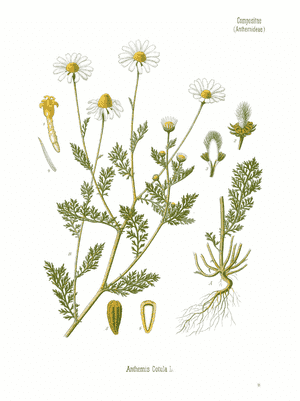
Relocate stinking chamomile preferably during the period of renewal to bypass intense summer temperatures, selecting locations that offer excellent drainage and ample sunlight. To ensure robust initial growth, verify that the earth is rich and adequately hydrated.
What Preparations are Needed Before Transplanting Stinking Chamomile?
What is the Ideal Time for Transplanting Stinking Chamomile?
For stinking chamomile, the optimal period for relocation spans from the onset of early spring warmth to the vibrant growth of late spring. Moving stinking chamomile during this phase leverages increasing soil temperatures, promoting strong root development and ensuring the plant establishes itself well before summer's heat. You'll find stinking chamomile flourishes best with this early start, adapting more readily and benefiting from an extended growing season to become rooted.
How Much Space Should You Leave Between Stinking Chamomile Plants?
When getting ready to rehouse your stinking chamomile, make sure to provide ample room for growth. Position your young plants approximately 6-12 inches (15-30 cm) apart from one another. This will give each plant sufficient area to expand without competing for essential resources.
What is the Best Soil Mix for Stinking Chamomile Transplanting?
For robust development, stinking chamomile prefers soil that drains effectively. Prior to transplanting, incorporate some organic compost to enrich the soil, which will act as a natural, initial nutrient source. If you're uncertain about your soil quality, a general-purpose fertilizer can provide a boost for your stinking chamomile!
Where Should You Relocate Your Stinking Chamomile?
Your stinking chamomile thrives in bright sunshine! Locate a sunny spot in your garden that receives at least 6 hours of direct sunlight daily. This bright location will ensure your stinking chamomile gets the necessary light to flourish in its new environment.
What Equipments Should You Prepare Before Transplantation Stinking Chamomile?
Gardening Gloves
To safeguard your hands while handling soil and plants.
Trowel
For excavating small stinking chamomile plants or creating planting holes.
Shovel or Spade
For digging up larger stinking chamomile plants and preparing bigger ground holes.
Watering Can or Hose
To hydrate the stinking chamomile plant before and after its relocation.
Pruner or Sharp Knife
To trim away any damaged roots or foliage.
Wheelbarrow or Garden Cart
To move the stinking chamomile plant and soil.
Measuring Tape
To accurately space out the planting locations.
Soil Amendment
To enhance the existing soil structure if necessary.
Mulch
To aid in moisture retention and weed suppression post-transplanting.
How Do You Remove Stinking Chamomile from the Soil?
How Do You Remove Stinking Chamomile from the Soil?
From Ground: Hydrate the stinking chamomile to moisten the earth. Dig a wide trench around the plant using a shovel or spade, ensuring the root ball remains intact. Gently work the tool beneath the root ball to carefully lift the stinking chamomile.From Pot: Water the stinking chamomile and allow the moisture to penetrate. Grasp the plant's base and tilt the pot sideways. Tap the pot's bottom and sides to loosen the root ball, then carefully extract the plant.From Seedling Tray: Water the seedlings to soften the soil, making removal easier. Use a trowel or your fingers to gently lift each plant from its cell, taking care to support the root ball and prevent root damage.
Step-by-Step Guide for Transplanting Stinking Chamomile
Gentle Handling
Handle the stinking chamomile plant with care throughout the entire process to avoid harming its roots and leaves.
Prepare the New Location
Dig a hole in the ground that is twice the width of the stinking chamomile's root ball and of equal depth, allowing roots to spread easily.
Root Inspection
Before planting, examine the root ball and trim any damaged roots. Gently loosen the roots to encourage outward growth.
Placement
Position the stinking chamomile in the center of the hole, ensuring it stands upright. The top of the root ball should be level with the surrounding soil surface.
Backfilling
Carefully refill the hole with soil, gently firming it around the root ball to eliminate air pockets, which could dry out the roots.
Water Thoroughly
Once stinking chamomile is in place, water it generously to settle the soil and hydrate the roots. Ensure proper drainage to prevent waterlogging.
Add Mulch
Apply a layer of mulch around the base of stinking chamomile to conserve moisture, stabilize soil temperature, and deter weeds. Avoid piling mulch against the stem.
How Do You Care For Stinking Chamomile After Transplanting?
Consistent Moisture
Ensure the soil around stinking chamomile maintains uniform moisture levels. Check soil dampness regularly and water when the top inch feels dry.
Observation
Periodically inspect stinking chamomile for indicators of stress, such as wilting or discolored foliage. Address issues promptly to prevent further strain.
Support
If needed, provide stakes or supports to keep stinking chamomile upright and stable as it establishes itself.
Gradual Exposure
After transplanting, shield stinking chamomile from harsh conditions, like strong winds or intense midday sun, until it shows signs of growth and has adapted.
Nutrient Boost
A few weeks post-transplant, consider an appropriate plant food to encourage vigorous growth, but only if this was not previously addressed or if the plant exhibits signs of nutrient deficiency.
Troubleshooting Common Issues with Stinking Chamomile Transplantation.
When is the right time to transplant stinking chamomile?
The ideal period for relocating stinking chamomile is from early to late spring, as the weather begins to warm.
What spacing do I need between stinking chamomile plants?
Allow each stinking chamomile approximately 6-12 inches (15-30 cm) of space to flourish and avoid overcrowding.
How deep should I plant stinking chamomile seedlings?
Plant stinking chamomile seedlings at the same depth they were in their original container for optimal results.
Why are my stinking chamomile seedlings wilting after transplanting?
Wilting may indicate transplant shock. Ensure gentle handling, adequate hydration, and initial protection from direct sunlight.
How often should I water stinking chamomile after transplanting?
Water stinking chamomile generously immediately after transplanting, then maintain moderate moisture until it's established.
Should I fertilize stinking chamomile after transplanting?
Wait 2-4 weeks post-transplant before gradually introducing a balanced fertilizer to stinking chamomile.
Can stinking chamomile be transplanted on a cloudy day?
Yes, transplanting stinking chamomile on an overcast day can reduce stress and prevent wilting.
What soil conditions favor stinking chamomile after transplanting?
Well-draining soil with moderate fertility is optimal for stinking chamomile to thrive post-transplantation.
How to protect stinking chamomile from transplant shock?
Acclimate stinking chamomile to outdoor conditions gradually, avoid disturbing roots, and keep it well-watered.
Can I mulch around stinking chamomile post-transplant?
Yes, mulching helps retain moisture and regulate soil temperature, benefiting stinking chamomile after transplant.



