The Hidden Danger in Your Home? Unmasking the Toxicity of the Stinking chamomile Plant.
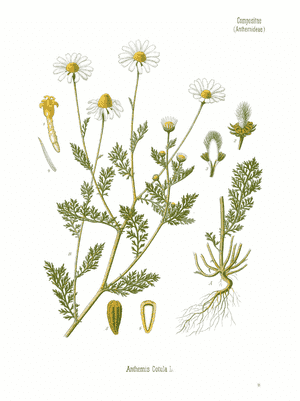
1
Ingesting stinking chamomile poses a moderate toxicity hazard to felines and canines, leading to poisoning.
2
Prompt veterinary attention is crucial if consumption is suspected, for immediate medical treatment.
3
The entirety of the stinking chamomile plant (foliage, blossoms, stalks) is poisonous, resulting in serious symptoms in animals.
Is Stinking chamomile harmful to felines?
Stinking chamomile, also known as Stinking chamomile, presents a moderate danger to cats. Should a cat consume any portion of this plant, they might suffer from intoxication. The whole plant, encompassing its foliage, blossoms, and stalks, is poisonous and can induce physical distress in cats. Pet parents should be watchful to stop their animals from eating stinking chamomile. For suspected poisoning, if a cat displays signs of sickness or odd conduct, it is vital to get prompt veterinary assistance to safeguard the cat's well-being.
Is Stinking chamomile harmful to canines?
Stinking chamomile presents a moderate danger to dogs. If a dog consumes any part of the plant, as all components are toxic, they might experience poisoning. Signs of intoxication can involve digestive upset, throwing up, loose stools, sluggishness, and in severe instances, more serious health issues. It is critical for dog guardians to stop their pets from ingesting stinking chamomile and to observe them closely if they can access areas where this plant thrives. Should a dog consume stinking chamomile, immediate veterinary intervention is crucial to ensure the best possible result for the affected animal.



