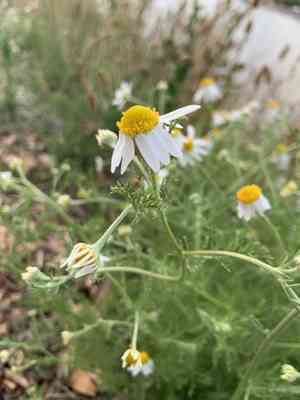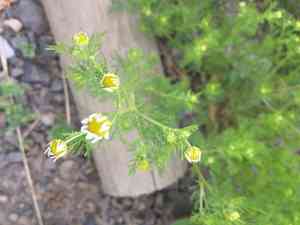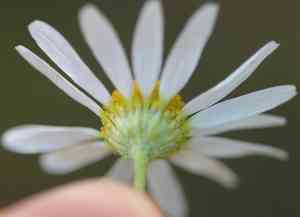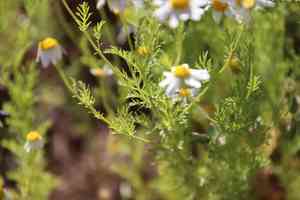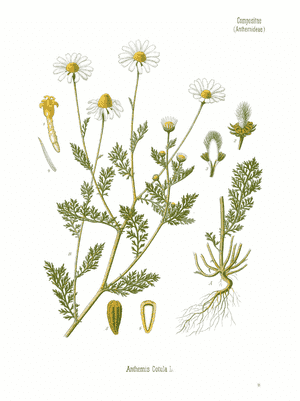
Stinking chamomile(Anthemis cotula)

Stinking chamomile (Anthemis cotula)

Also known as: Dog fennel, Chigger-weed

Stinking chamomile (Anthemis cotula) is named for its resemblance to traditional chamomile but is distinguished by its unpleasant odor. This bushy annual herb, adorned with white, daisy-like flowers, originated in the Mediterranean region. Unlike the sweet-smelling traditional chamomile, stinking chamomile is often considered a weed and lacks the medicinal and aromatic qualities that make traditional chamomile popular.

Attributes of Stinking chamomile

Lifespan
Annual
Plant Type
Herb
Plant Height
25 cm to 56 cm
Spread
20 cm to 30 cm
Leaf Color
Green
Flower Size
2.5 cm
Flower Color
White Yellow

ForwardPlant - Identify plants with a snap

Identify and diagnose plants, get toxicity alerts, and explore safety guides for all types of fungi.

Try for Free

Images of Stinking chamomile

Stinking chamomile(Anthemis cotula)

Quickly Identify Stinking chamomile

1
Stinking Chamomile can be identified by its unpleasant odor, finely divided feathery leaves, and white ray florets surrounding a yellow central disk. The plant often grows in disturbed soils, fields, and roadsides.

Scientific Classification of Stinking chamomile

Phylum
Vascular plants
Class
Dicotyledons
Order
Asterales
Family
Daisy
Genus
Chamomile
Species
Stinking chamomile

Planting and Growing of Stinking chamomile

Care Difficulty
Easy
Watering Schedule
Every 4 days
Sunlight Requirements
Full sun
Sunshine Duration
4-8 hours
Ideal Temperature
50-75℉
Soil Type
Potting Mix, Peat Mix
Soil pH
6.5-7.5
Fertilizer Type
Balanced
Pruning Season
Spring, Summer
Pruning Area
Branches, Leaves
Pruning Frequency
2 times a year
Repotting Season
Spring
Pot Type
Plastic, Ceramic

water icon How to Water Stinking chamomile?

Anthemis cotula, commonly known as stinking chamomile, thrives with moderate watering. The key is to ensure that the soil remains slightly moist without becoming waterlogged. An ideal watering approach involves soaking the soil thoroughly until water runs out of the drainage holes but allowing the top layer to dry slightly before the next watering session.
What are the symptoms of an underwatered Stinking chamomile?
What should I do if my Stinking chamomile is not getting enough water?
What are the symptoms of an overwatered Stinking chamomile?
How to save an overwatered Stinking chamomile?

sunlight icon What Are the Sunlight Requirements for Stinking chamomile?

Sunlight Requirements: Full sun, Partial sun
Duration of light: 6 to 8 hours
This plant thrives in full to partial sun, ideally between 6 to 8 hours of light daily. This lighting fosters dense growth and vibrant blooms, supporting its ornamental utility and resilience to pests.
What is the best location for Anthemis cotula?
How can I enhance the light it receives?
Why is ideal lighting crucial for Anthemis cotula?
More About Sunlight Requirements Techniques

temperature icon What Is the Ideal Temperature Range for Stinking chamomile?

Ideal Temperature: 50 ~ 75℉
The ideal temperature range for Anthemis cotula, commonly known as stinking chamomile, is between 50°F and 75°F. In this range, the plant thrives best and exhibits optimal growth. Maintaining these temperatures ensures that the plant has suitable conditions for photosynthesis and nutrient uptake.

soil icon What Soil is Best for Stinking chamomile?

Soil type: Sandy soil, Loam, Sandy loam
Soil PH: 6.5 ~ 7.5
Anthemis cotula thrives in well-drained soil, which prevents water from pooling around the roots and causing root rot. This type of soil ensures the plant receives adequate water while avoiding waterlogging, promoting healthy growth and flowering. Although Anthemis cotula isn't very demanding, nutrient-rich soil can significantly enhance its growth. Such soil provides necessary minerals and nutrients, leading to vibrant foliage and an abundance of flowers. Soil with moderate moisture retention holds enough water to sustain the plant without allowing the roots to sit in water. This balance is crucial for Anthemis cotula to maintain its vigor and resilience against drought conditions.

fertilize icon How to Fertilize Stinking chamomile?

Fertilizer type: Balanced
For Anthemis cotula, it's crucial to apply fertilizer judiciously. A general rule is to use a balanced diluted liquid fertilizer at a quarter strength. For solid fertilizers, a light application every season suffices, ensuring not to overwhelm the plant's nutrient needs.

prune icon How to Prune Stinking chamomile?

Pruning Time: Spring, Summer
Begin by inspecting the plant to identify any dead or damaged stems. These can hinder the plant's overall health and should be removed first. Cut back to where the stem still appears healthy, ensuring a clean, angled cut. Once you've removed compromised parts, focus on shaping the plant. Trim back the tips of the stems to encourage bushier growth and more blooms. Pay special attention to any overcrowded areas to ensure light and air can circulate freely.

propagate icon How to Propagate Stinking chamomile plant?

Propagate Time: Spring, Early spring
1
Begin by filling the seed trays with moist potting soil. Scatter Anthemis cotula seeds evenly across the soil surface and lightly press them into the soil. Do not cover them too deeply as they need light to germinate.
2
Use a misting spray or a gentle watering can to moisten the soil. The soil should remain consistently moist but not waterlogged. Overwatering may lead to root rot, hindering seedling growth.
3
Place the seed tray in a location receiving indirect sunlight. Direct sunlight can be too intense for seedlings. Alternatively, a fluorescent grow light can be used to provide necessary light conditions.

repot icon How to Repot Stinking chamomile plant?

Repotting frequency: Once every two years
1
Repotting Anthemis cotula should be done when you notice roots protruding from the drainage holes or the plant becoming root-bound. Additionally, if the soil seems compacted or the plant exhibits stunted growth, it might be time to consider repotting. Ideally, these conditions are most commonly observed in the Spring or Autumn, making these seasons perfect for repotting.
2
Choose a pot that is one size larger than the current one to accommodate growth and provide ample drainage. Ensure the pot has drainage holes to prevent waterlogging. A terracotta pot is an excellent choice as it allows for better moisture retention and air circulation, beneficial for Anthemis cotula's root health.
3
Opt for a well-drained loamy mix enriched with organic matter. This kind of soil enhances nutrient retention and provides adequate aeration, crucial for supporting healthy root development. Avoid heavy or overly clay-like soil as it can retain excess moisture, leading to root rot.

ForwardPlant - Identify plants with a snap

Find the best spots for them to optimize their health, simply using your phone.

Try for Free

Toxicity of Stinking chamomile

Is Stinking chamomile toxic to cat?

Stinking chamomile, scientifically referred to as Stinking chamomile, presents a moderate toxicity threat to cats. Ingesting any portion of this plant may result in poisoning. All parts of the plant—leaves, flowers, and stems—are toxic and can cause physical discomfort in cats. Cat owners need to be attentive to keep their pets from consuming stinking chamomile. If poisoning is suspected, and a cat exhibits signs of illness or abnormal behavior, it is crucial to seek prompt veterinary assistance to safeguard the cat's health and wellbeing.

Is Stinking chamomile toxic to dog?

Stinking chamomile presents a moderate risk of toxicity to dogs. If any portion of this plant is ingested by a dog, as all its parts are toxic, they may suffer from poisoning. Signs of poisoning can manifest as gastrointestinal distress, vomiting, diarrhea, lethargy, and in serious instances, more severe health issues. It is vital for dog owners to keep their pets from consuming stinking chamomile and to closely observe them if they have access to locations where this plant is present. Should a dog consume stinking chamomile, immediate veterinary care is crucial to secure the best possible outcome for the affected pet.

Identify toxic plants for your safety

Learn which plants are harmful to you and your pets, and make informed choices for a safer home!

Try for Free
WARNING
The judgment on toxicity and danger is for reference only. We DO NOT GUARANTEE any accuracy of such judgment. Therefore, you SHALL NOT rely on such judgment. It is IMPORTANT TO SEEK PROFESSIONAL ADVICE in advance when necessary.
More About Toxic Techniques