How to Transplant Single-head pussytoes?
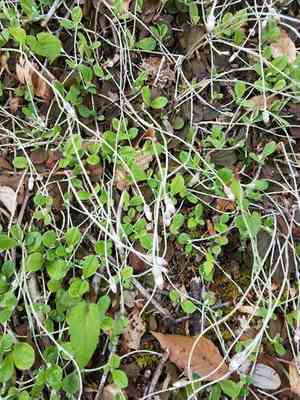
Single-head pussytoes flourishes when relocated between early and late spring or early and late winter, benefiting from mild temperatures and adequate humidity. Optimal environments feature sun-exposed areas with soil that drains effectively. Exercise caution during handling to prevent damage to the root system.
What Preparations are Needed Before Transplanting Single-head Pussytoes?
What is the Ideal Time for Transplanting Single-head Pussytoes?
The best period to move single-head pussytoes is from early to late spring or early to late winter. These seasons are optimal due to mild temperatures and sufficient moisture, which aid root development. Relocating during these times boosts survival rates and promotes stronger growth, preparing for a flourishing perennial garden.
How Much Space Should You Leave Between Single-head Pussytoes Plants?
When relocating single-head pussytoes, position each plant approximately 6-12 inches (15-30 cm) apart to provide ample room for growth and flourishing.
What is the Best Soil Mix for Single-head Pussytoes Transplanting?
For single-head pussytoes, prepare well-draining soil with a blend of sandy and loamy textures. Incorporating a balanced base fertilizer, such as a 10-10-10 (NPK), will support vigorous development.
Where Should You Relocate Your Single-head Pussytoes?
Choose a spot that receives full sun to light shade for single-head pussytoes. They thrive best in areas where they get plenty of sunlight for most of the day.
What Equipments Should You Prepare Before Transplantation Single-head Pussytoes?
Gardening Gloves
To safeguard your hands while handling soil and plants.
Trowel or Small Shovel
For digging and extracting the plant from its initial spot.
Watering Can or Hose
To hydrate the plant before and after relocation.
Garden Fork or Spade
To loosen the soil around the plant and assist in lifting it from the ground.
Wheelbarrow or Container
To move the plant from its original spot to the new site if necessary.
Mulch
To help the soil around the relocated plant retain moisture.
Compost or Organic Matter
To enrich the soil in the new planting hole.
How Do You Remove Single-head Pussytoes from the Soil?
How Do You Remove Single-head Pussytoes from the Soil?
From Ground: First, moisten the single-head pussytoes's soil. Then, dig a wide trench around the plant with a garden fork or spade, ensuring the root ball stays intact. Carefully work the spade beneath the root ball to lift the plant from its original spot. From Pot: Water the plant thoroughly to facilitate removal. Gently turn the pot on its side and tap the edges to loosen the soil and root ball. Carefully slide the plant out, supporting the root ball with your hand. From Seedling Tray: Water the seedlings well. Use a pencil or dibber to gently push up from the bottom of the tray compartments to dislodge the seedlings, being careful not to harm the roots.
Step-by-Step Guide for Transplanting Single-head Pussytoes
Site Selection
Pick a location with adequate sunlight and room for your single-head pussytoes to reach its full size.
Prepare the Planting Hole
Dig a hole twice as wide and as deep as the single-head pussytoes's root ball. Mix compost or organic matter into the soil to aid root establishment.
Remove the Plant
Follow the correct removal procedure based on the plant's initial location.
Plant Placement
Position the single-head pussytoes in the hole, ensuring the top of the root ball is even with or slightly above the surrounding soil. Fill in around the root ball with the enriched soil, pressing gently to remove air pockets.
Water Thoroughly
Water the single-head pussytoes thoroughly after planting to help settle the soil around the roots.
Add Mulch
Apply a layer of mulch around the base of the single-head pussytoes to retain moisture and control weeds, but keep it away from direct contact with the stem to prevent rot.
How Do You Care For Single-head Pussytoes After Transplanting?
Watering
Keep the soil around the single-head pussytoes consistently moist, but not waterlogged, for the initial weeks after transplanting to help establish strong roots.
Monitoring
Regularly inspect the single-head pussytoes for signs of distress, such as wilting or yellowing leaves, and adjust care as necessary.
Weed Control
Keep the area around the single-head pussytoes free of weeds to reduce competition for nutrients and water.
Mulching
Replenish mulch as needed to ensure sufficient coverage around the plant.
Troubleshooting Common Issues with Single-head Pussytoes Transplantation.
When is the best time to transplant single-head pussytoes?
The optimal times for relocating single-head pussytoes are from early spring to late spring or early winter to late winter.
How far apart should I space the single-head pussytoes plants?
Space single-head pussytoes plants 6-12 inches (15-30 cm) apart to ensure adequate room for growth.
How should I prepare the soil for single-head pussytoes transplanting?
Loosen the soil and enrich it with compost to improve drainage and nutrient content.
What is the best way to water single-head pussytoes after transplanting?
Water thoroughly immediately after transplanting and maintain consistently moist, but not saturated, soil.
Should I mulch around single-head pussytoes after transplanting?
Yes, applying a layer of mulch helps retain moisture and suppress weeds around single-head pussytoes.
Can I transplant single-head pussytoes if the foliage is damaged?
Trim damaged foliage before relocating single-head pussytoes to minimize stress and encourage healthy growth.
How do I handle single-head pussytoes roots during transplanting?
Handle single-head pussytoes roots gently and avoid disturbing the root ball to prevent transplant shock.
What type of container should I use when transplanting single-head pussytoes indoors?
Use a container with good drainage holes and sufficient size to accommodate single-head pussytoes's root system.
Why are my single-head pussytoes leaves wilting after transplanting?
Wilting may be due to transplant shock; ensure proper watering and protection from intense sun.
How long does it take for single-head pussytoes to establish after transplanting?
It typically takes a few weeks for single-head pussytoes to establish, with visible growth as an indicator.



