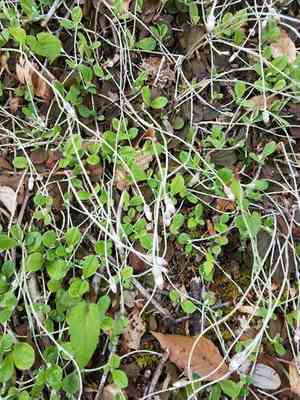
Single-head pussytoes (Antennaria solitaria)
Also known as: Single Head Pussytoes
Antennaria solitaria can reach up to 35 centimeters (14 inches) in height. This species features single flower heads rather than clusters, with male and female flowers on separate plants. It typically thrives on slopes or streambanks in moist, nutrient-rich forests.
In This Article
Attributes of Single-head pussytoes
Lifespan
Perennial
Plant Type
Herb
Plant Height
0 mm to 91 cm
Spread
N/A
Leaf Color
Gray-green
Flower Size
1-2 cm
Flower Color
White to pale pink
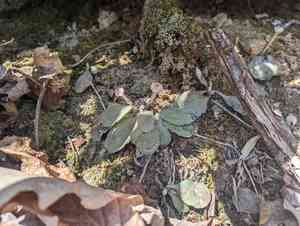
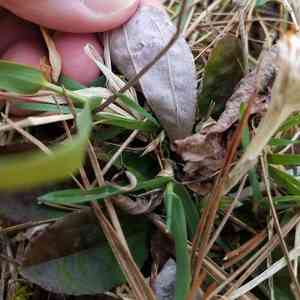
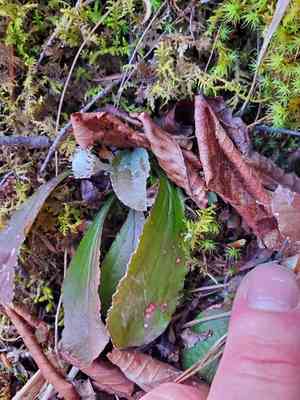
Images of Single-head pussytoes
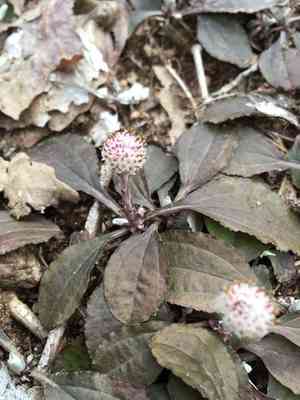
Quickly Identify Single-head pussytoes
1
Solitary flowering head atop 6-12 inch (15-30 cm) stalk.
2
Distinct silvery or grayish spatulate leaves in basal rosettes.
3
Clusters of fuzzy, pussy toe-shaped white to pale purplish flowers.
4
Achenes with fluffy white bristles, 0.08-0.12 inches (2-3 mm) in length.
5
Slender, woolly stem over 1 foot (30 cm) tall, with simple branching.
Scientific Classification of Single-head pussytoes
Phylum
Vascular plants
Class
Dicotyledons
Order
Asterales
Family
Daisy
Genus
Everlasting
Species
Single-head pussytoes
Planting and Growing of Single-head pussytoes
Care Difficulty
Easy
Watering Schedule
Every 2 days
Sunlight Requirements
Partial sun
Sunshine Duration
6-10 hours
Ideal Temperature
60-75℉
Soil Type
Potting Mix, Peat Mix
Soil pH
6.5-7.5
Fertilizer Type
Balanced
Pruning Season
Spring, Summer
Pruning Area
Branches, Leaves
Pruning Frequency
2 times a year
Repotting Season
Spring
Pot Type
Plastic, Ceramic
 How to Water Single-head pussytoes?
Antennaria solitaria typically prefers a moderate amount of water, around 200 milliliters per watering. The goal is to moisten the soil thoroughly, yet allowing it to dry out between waterings. Make sure that excess water drains away to prevent root rot.
What are the symptoms of an underwatered Single-head pussytoes?
›
What should I do if my Single-head pussytoes is not getting enough water?
›
What are the symptoms of an overwatered Single-head pussytoes?
›
How to save an overwatered Single-head pussytoes?
›
 What Are the Sunlight Requirements for Single-head pussytoes?
Antennaria solitaria thrives ideally in partial to full sun conditions. Optimal sunlight exposure ensures vigorous growth, vibrant leaf coloration, and robust flowering. Proper light maintains its foliage health and resilience.
What is the best lighting condition for Antennaria solitaria?
›
How can you ensure Antennaria solitaria receives its ideal lighting?
›
What are the advantages of providing ideal lighting for Antennaria solitaria?
›
 What Is the Ideal Temperature Range for Single-head pussytoes?
The ideal temperature range for Antennaria solitaria is between 60 and 75 degrees Fahrenheit. This range supports optimal growth and flowering, mimic natural conditions where this plant thrives. Consistent temperatures in this range ensure the plant remains active and healthy, promoting proper cellular functioning and photosynthesis.
 What Soil is Best for Single-head pussytoes?
Antennaria solitaria thrives in well-drained soils as it prevents waterlogging which can lead to root rot. A well-draining soil ensures that the roots remain healthy and enhances the plant's growth. This plant prefers soils with moderate fertility, avoiding overly rich soils that may promote excessive foliage at the expense of blooms. A balanced nutrient level supports optimal flowering. Ideal soil pH ranges from 6.5 to 7.5, as it allows Antennaria solitaria to absorb nutrients effectively. Maintaining the right pH ensures healthy plant development and vibrant blooms.
 How to Fertilize Single-head pussytoes?
Antennaria solitaria benefits from moderate fertilization. Use half the recommended dosage of a balanced liquid fertilizer. Avoid over-fertilizing, as it can harm this low-nutrient-demanding plant.
 How to Prune Single-head pussytoes?
Start by identifying any dead or damaged stems and trim them back to the base. For healthy stems, cut back up to one-third to promote new growth from the base. This encourages a thicker, more mounded appearance. Antennaria solitaria benefits from light shaping to maintain its natural form. Trim the tips to encourage side branching, ensuring a balanced and aesthetically pleasing structure to enhance garden or pot presentation.
More About Pruning Techniques→
 How to Propagate Single-head pussytoes plant?
1
Prepare well-draining soil rich in organic matter, as Antennaria solitaria thrives in such conditions. Mix sand or perlite to increase drainage and aeration for optimal seed germination or root division success.
2
Sow seeds evenly in the prepared planting tray and cover lightly with soil. Keep the soil consistently moist until germination occurs. Ensure the tray is placed in a location with indirect sunlight.
3
Carefully dig up the parent plant in spring when growth is active. Use pruning shears to divide the root mass into segments, each with an adequate portion of roots and shoots for successful establishment.
 How to Repot Single-head pussytoes plant?
1
The signal to repot Antennaria solitaria is when you notice roots growing out of the drainage holes or when growth becomes stunted. Spring and Summer are ideal times for repotting as the plant is actively growing and can recover more quickly from transplant shock.
2
Select a pot that's approximately 2 inches larger in diameter than the current one to provide room for root growth. Ensuring the pot has adequate drainage holes will help prevent root rot by allowing excess water to escape easily, maintaining a healthy root system.
3
Opt for well-draining potting soil mixed with sand or perlite; this combination will provide the necessary aeration and drainage, helping to prevent waterlogging and root rot, which are critical for the survival of Antennaria solitaria.



