How to Propagate Single-head pussytoes?
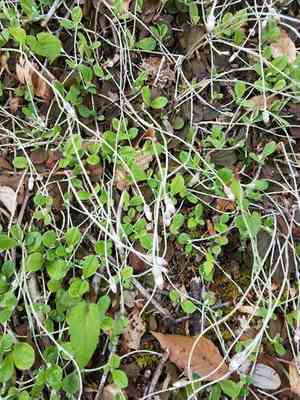
Single-head pussytoes, a robust perennial species, primarily reproduces via stem sections. For effective propagation, choose vigorous, unblemished cuttings from established specimens. Root formation is boosted by dipping the cutting's base in a rooting compound prior to inserting it into a porous, fertile substrate. Steady hydration and shelter from intense sun exposure encourage ideal root growth, which is crucial for successful garden integration.
Optimal Period for Propagating Single-head Pussytoes
Propagation Method
Cutting
Propagation Period
Spring,Summer
Tools Required for Single-head Pussytoes Propagation
Sharp pruning shears
These are crucial for making clean cuts on single-head pussytoes stems for propagation. A precise cut prevents damage and disease, encouraging healthier root growth in the cuttings.
Rooting hormone powder
Applying rooting hormone to the cut end of single-head pussytoes stems boosts root development, increasing the likelihood of successful propagation by stimulating root formation at the cut sites.
Sterile potting mix
Utilizing a sterile, well-draining potting mix offers an ideal environment for single-head pussytoes cuttings to root. This helps prevent diseases and ensures proper moisture retention, vital for initial root development.
Propagation trays
These trays are useful for organizing and managing multiple single-head pussytoes cuttings in a controlled setting. Trays help maintain consistent moisture and temperature, key factors for rooting success.
Plastic dome or cover
A plastic cover over propagation trays helps maintain high humidity and stable temperatures, which are essential for encouraging root growth in single-head pussytoes cuttings. This creates a greenhouse effect, improving propagation outcomes.
How to Propagate Single-head Pussytoes?
Propagation Type
Easy
How to Care for Your Newly Propagated Single-head Pussytoes?
How to Care for Your Newly Propagated Single-head Pussytoes?
Once single-head pussytoes cuttings have rooted, typically after a few weeks, gradually introduce them to less humid conditions by removing the plastic covering. Keep the soil moist but avoid waterlogging. As new growth emerges, slowly expose the plants to more direct sunlight. Regularly inspect for pests and diseases. When the plants appear strong and have developed a robust root system, they can be moved to their permanent location in a sunny to partially shaded spot with well-draining soil.
Common Mistakes to Avoid When Propagating Single-head Pussytoes
Overwatering
Excessive watering can cause root rot in single-head pussytoes, as it prefers well-drained soil. Too much moisture can suffocate the plant's roots, hindering growth and potentially leading to fungal infections or plant death.
Inadequate Light
Single-head pussytoes thrives in full sun to partial shade. Insufficient light can lead to weak, elongated growth, reducing overall vigor and the ability to propagate successfully.
Overcrowding
When propagating single-head pussytoes, overcrowding can be problematic. It impedes proper air circulation, which is crucial for preventing fungal diseases, and can also restrict growth and development due to resource competition.
Tips For Propagating Single-head Pussytoes
Soil Preparation
Prepare a well-draining soil mix, incorporating sand or other gritty material to improve drainage. This mimics single-head pussytoes's natural growing conditions and promotes healthier root development.
Cutting Selection
For propagating single-head pussytoes by cuttings, choose healthy, disease-free stems. Ensure the cuttings are taken from vigorous parts of the plant to increase the chances of successful rooting.
Spacing
When planting propagated single-head pussytoes, ensure adequate spacing to encourage good air circulation and prevent disease spread. Sufficient space also allows individual plants enough room to develop strong root systems.



